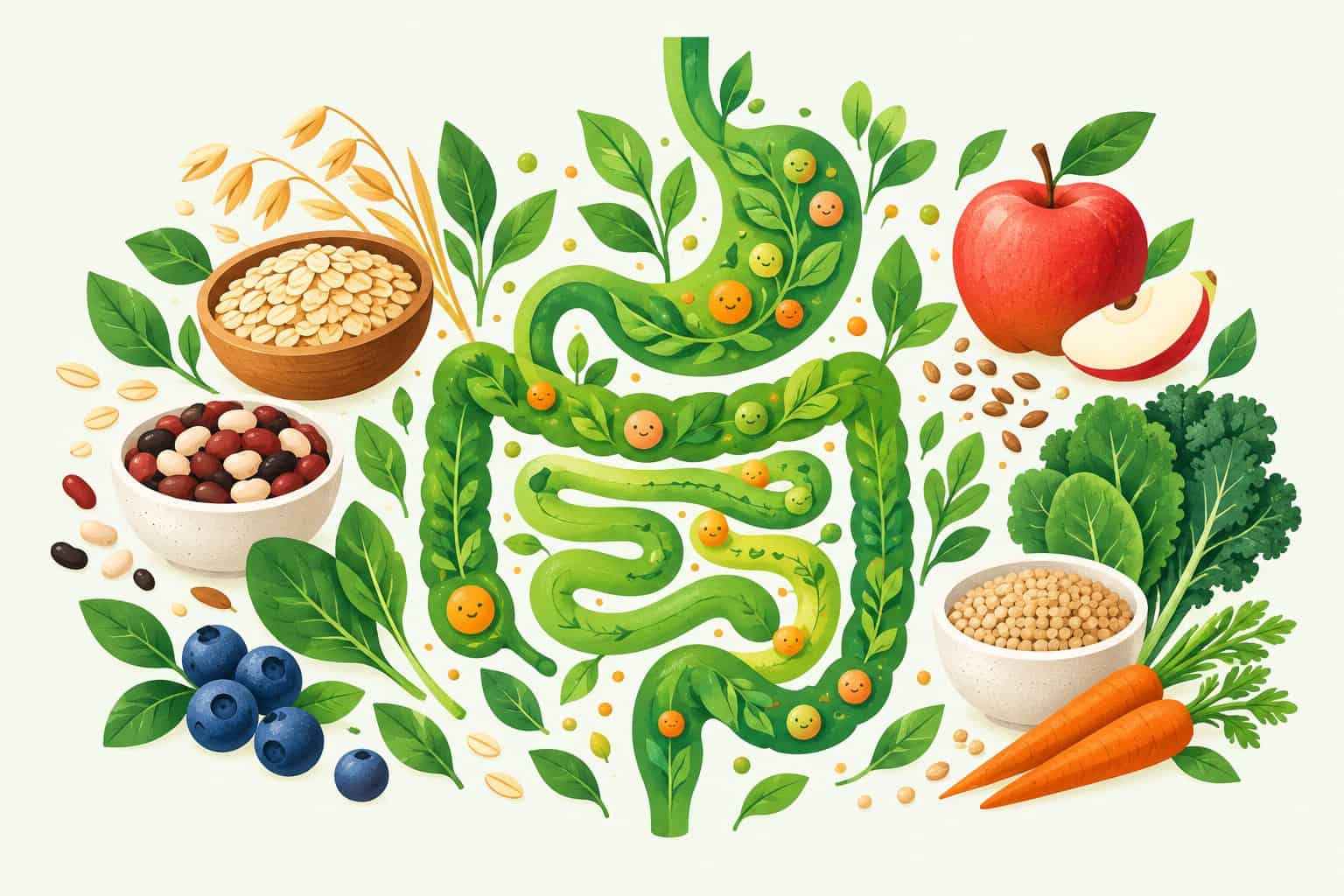
Understanding the Gut Microbiome
What is the Gut Microbiome?
The gut microbiome refers to the trillions of microorganisms, including bacteria, viruses, and fungi, that reside in our digestive tract. These microscopic inhabitants play a crucial role in our overall health, influencing everything from digestion to immune function.
The Role of Bacteria in Digestion
One of the primary functions of gut bacteria is aiding in digestion. These microorganisms help break down complex carbohydrates, fibers, and proteins, making it easier for our bodies to absorb essential nutrients. They also assist in the synthesis of certain vitamins, like vitamin K and some B vitamins, which are vital for various bodily functions.
How the Microbiome Affects Overall Health
But the influence of the gut microbiome extends far beyond digestion. Research has shown that a healthy gut microbiome is linked to a robust immune system, as these bacteria play a key role in educating and regulating our immune responses. There’s also growing evidence to suggest that our gut microbiome can impact our mental health, mood, and even behaviors, a phenomenon often referred to as the “gut-brain axis.”
What is Gut Health?
When we talk about gut health, we’re referring to the balance and function of these microorganisms in our gastrointestinal tract. A healthy gut is not just about digesting food; it’s about maintaining a harmonious balance of these microbes.
Defining Gut Health and Its Importance
Good gut health means having a diverse range of beneficial bacteria that can effectively process the food we eat, protect us from pathogens, and communicate with our immune system. This balance is essential for not just preventing gastrointestinal issues, but also for overall well-being.
Signs of a Healthy vs. Unhealthy Gut
A healthy gut is typically characterized by regular bowel movements, the absence of chronic digestive discomfort, and a strong immune system. On the other hand, signs of an unhealthy gut can include frequent diarrhea or constipation, bloating, excessive gas, and even impacts on mental health like increased anxiety or depression. It’s important to recognize these signs as they can indicate an imbalance in your gut microbiome, known as dysbiosis, which can lead to various health issues.
In conclusion, understanding the gut microbiome and maintaining gut health are crucial for our overall health and well-being. By nurturing our gut microbiome through diet, lifestyle choices, and possibly supplements, we can ensure it continues to support our health in numerous ways.
How to Improve Gut Health
Improving gut health is a multi-faceted approach that involves dietary changes, lifestyle adjustments, and sometimes, supplementation. Here, we explore various strategies to enhance your gut health effectively.
Dietary Choices for Optimal Gut Health
The Role of Fiber in Digestive Health
Soluble vs. Insoluble Fiber
Fiber is crucial for gut health. Soluble fiber, found in oats, nuts, and legumes, dissolves in water and helps control blood sugar levels and reduce cholesterol. Insoluble fiber, found in whole grains, vegetables, and wheat bran, adds bulk to stool and aids in bowel regularity.
Best Sources of Dietary Fiber
To improve gut health, incorporate a variety of high-fiber foods. Fruits like apples and berries, vegetables such as carrots and broccoli, and whole grains like quinoa and barley are excellent choices.
The Impact of Processed Foods on Gut Health
How to Identify and Avoid Harmful Ingredients
Processed foods often contain additives and preservatives that can disrupt the gut microbiome. Limiting intake of high-sugar, high-salt, and high-fat processed foods is beneficial. Instead, focus on whole, unprocessed foods for optimal gut health.
Incorporating a Variety of Nutrient-Rich Foods
A diverse diet ensures a variety of nutrients that support gut health. Include a wide range of fruits, vegetables, lean proteins, and healthy fats in your diet.
Lifestyle Changes to Enhance Gut Health
The Importance of Regular Exercise
Physical Activity and Digestive Health
Regular exercise promotes healthy digestion and can prevent constipation. It also helps manage stress, which can negatively impact gut health.
Stress Management Techniques
How Stress Affects the Gut
Chronic stress can disrupt the balance of gut bacteria. Techniques like meditation, yoga, and deep breathing can help manage stress levels.
The Role of Sleep in Gut Health
Tips for Better Sleep and Digestive Health
Adequate sleep is vital for gut health. Establish a regular sleep schedule and create a relaxing bedtime routine to improve sleep quality.
Hydration and Gut Health
Importance of Water for Digestive Processes
Staying hydrated is essential for digestion. Water helps break down food, aids in nutrient absorption, and supports regular bowel movements.
Incorporating these dietary and lifestyle changes can significantly improve your gut health, leading to overall better health and well-being.
Probiotics and Prebiotics: Essentials for a Healthy Gut
The balance and diversity of the gut microbiome can be significantly influenced by probiotics and prebiotics, which are vital components of gut health. Understanding how these elements work can help you make informed choices to enhance your gut health.
What are Probiotics?
Probiotics are live microorganisms that provide health benefits when consumed in adequate amounts. They are often referred to as ‘good’ or ‘friendly’ bacteria because they help maintain a healthy balance in the gut microbiome.
Sources of Probiotics
Probiotics can be found in fermented foods like yogurt, kefir, sauerkraut, kimchi, and kombucha. They are also available as dietary supplements. When choosing probiotic foods, look for products that list live active cultures on their labels.
Benefits of Probiotics
Regular consumption of probiotics can help with various digestive issues, boost the immune system, and may even improve mental health conditions. They contribute to the overall diversity of the gut microbiome, which is crucial for gut health.
Understanding Prebiotics
While probiotics are live bacteria, prebiotics are food for these bacteria. They are non-digestible fibers that help beneficial bacteria grow and flourish in the gut.
How Prebiotics Nourish Your Gut
Prebiotics are found in many high-fiber foods, particularly in fruits, vegetables, and whole grains. They pass through the gastrointestinal tract undigested and promote the growth of beneficial bacteria in the gut.
Sources of Prebiotics
Common prebiotic foods include garlic, onions, leeks, asparagus, bananas, oats, and apples. Incorporating these foods into your diet can enhance the effectiveness of probiotics and support overall gut health.
Understanding and utilizing probiotics and prebiotics can be a game changer in managing gut health. These components work synergistically to create a conducive environment for a healthy gut microbiome, playing a key role in your overall health and well-being.
How to Restore Gut Health
Restoring gut health is essential, especially for those who have experienced digestive issues. This section covers common gut health issues and strategies to rebalance the gut microbiome.
Addressing Common Gut Health Issues
Irritable Bowel Syndrome (IBS)
Symptoms and Triggers of IBS
IBS is characterized by symptoms like abdominal pain, bloating, constipation, and diarrhea. Triggers can include certain foods, stress, and hormonal changes.
Managing IBS Through Diet
Dietary changes can significantly help manage IBS. Identifying and avoiding trigger foods, eating high-fiber foods, and maintaining a balanced diet are key strategies.
Inflammatory Bowel Disease (IBD)
Differences Between Crohn’s Disease and Ulcerative Colitis
IBD primarily includes Crohn’s disease and ulcerative colitis. Crohn’s can affect any part of the gastrointestinal tract, while ulcerative colitis is limited to the colon and rectum.
Treatment and Management Strategies
IBD treatment may involve medication, dietary changes, and sometimes surgery. It’s crucial to work with a healthcare provider to manage this condition effectively.
Small Intestinal Bacterial Overgrowth (SIBO)
Symptoms and Causes
SIBO occurs when there is an abnormal increase in the bacterial population in the small intestine. Symptoms include bloating, gas, diarrhea, and abdominal pain.
Treatment Options
Treatment typically involves antibiotics and dietary adjustments. Probiotics may also be beneficial in some cases.
Strategies for Restoring Balance in the Gut Microbiome
Implementing a Balanced Diet
A balanced diet rich in fruits, vegetables, lean proteins, and whole grains can support a healthy gut microbiome. Avoiding processed foods and high-sugar diets is also important.
Considering Probiotic and Prebiotic Supplements
In some cases, taking probiotic and prebiotic supplements can help restore gut health. It’s important to choose the right type of probiotic and prebiotic that suits your specific needs.
Restoring gut health is a gradual process that requires a combination of dietary changes, lifestyle adjustments, and sometimes medical intervention. Understanding and addressing the underlying causes of gut health issues is the key to effective recovery and maintaining long-term gut health.
How to Fix Your Gut Health
Fixing gut health often involves identifying and addressing specific issues that may be causing imbalance. This section will guide you through identifying food sensitivities, understanding FODMAPs, and the importance of consistent dietary and lifestyle changes.
Identifying and Eliminating Food Sensitivities
The Role of Elimination Diets
Elimination diets involve removing certain foods known to cause sensitivities and then gradually reintroducing them to determine which foods may be causing issues. Common culprits include dairy, gluten, soy, and eggs.
Recognizing and Responding to Food Intolerances
Understanding your body’s response to certain foods is key. Symptoms of food intolerances can include bloating, gas, diarrhea, constipation, and fatigue. Keeping a food diary can be a helpful tool in identifying these intolerances.
FODMAPs and Gut Sensitivity
Understanding FODMAPs
FODMAPs (Fermentable Oligosaccharides, Disaccharides, Monosaccharides, and Polyols) are a group of carbohydrates that can cause digestive distress in some people, particularly those with IBS.
High-FODMAP Foods to Avoid
High-FODMAP foods include certain fruits like apples and pears, vegetables like onions and garlic, dairy products, wheat, and legumes.
Low-FODMAP Alternatives
Low-FODMAP alternatives can include bananas, oranges, carrots, cucumbers, lactose-free dairy, gluten-free grains, and most nuts and seeds.
Implementing a Low-FODMAP Diet
A Step-by-Step Guide
Starting a low-FODMAP diet involves eliminating high-FODMAP foods for a period, usually 3-8 weeks, and then gradually reintroducing them to identify triggers.
Monitoring Your Symptoms and Progress
Careful monitoring of symptoms during this diet is crucial. It’s often helpful to work with a dietitian who specializes in gut health to guide this process.
The Importance of Consistency and Patience
Gradual Changes for Lasting Results
Improving gut health is not a quick fix but a gradual process. Making consistent, long-term changes to your diet and lifestyle is key.
Regular Monitoring and Adjustment of Diet
Regularly assessing how your body responds to different foods and adjusting your diet accordingly can lead to significant improvements in gut health.
Fixing gut health requires patience, persistence, and a willingness to adapt your diet and lifestyle. By identifying and addressing food sensitivities, understanding the role of FODMAPs, and committing to consistent changes, you can significantly improve your gut health and overall well-being.
Supplements and Gut Health
Supplements can play a crucial role in maintaining or restoring gut health, especially when dietary changes alone may not be sufficient. This section explores when to consider supplements and the ongoing debate over colon cleanses.
When to Consider Supplements
Supplements, particularly probiotics and fiber, can be beneficial in several gut health scenarios. However, it’s important to choose the right supplements based on individual needs and in consultation with a healthcare professional.
Probiotic Supplements
Probiotic supplements can help restore the balance of good bacteria in the gut, especially after an illness or a course of antibiotics. They can aid in digestion, boost the immune system, and may improve symptoms of IBS and other digestive disorders.
Fiber Supplements
For those struggling to get enough fiber through diet alone, fiber supplements can be helpful. They can aid in bowel regularity, prevent constipation, and support a healthy gut microbiome.
The Debate Over Colon Cleanses
Colon cleansing, often touted for detoxification and gut health improvement, is a controversial topic. It’s crucial to understand both its risks and benefits.
Risks and Benefits
While some claim benefits like improved digestion and energy levels, medical experts warn about the risks such as dehydration, electrolyte imbalance, and disruption of gut flora.
Alternative Approaches
Instead of drastic colon cleanses, gentle methods like increasing water intake, consuming more fiber, and using mild herbal laxatives are often safer and just as effective.
In conclusion, supplements can be a valuable tool for gut health, but they should be used judiciously and in conjunction with other healthful practices. The decision to use supplements, and particularly to undergo colon cleanses, should always be made with a thorough understanding of the potential risks and benefits.
Future Trends in Gut Health Research
The field of gut health is rapidly evolving, with new discoveries constantly reshaping our understanding of the gut microbiome. This final section explores the exciting future trends in gut health research and their potential implications for personalized medicine, therapeutic advancements, and chronic disease management.
The Role of Gut Microbiota in Personalized Medicine
Personalized medicine is an emerging approach that tailors medical treatment to the individual characteristics of each patient. The gut microbiome plays a significant role in this, as it varies greatly among individuals. Understanding these variations can lead to more personalized dietary recommendations and treatment plans.
Advances in Probiotic Therapies
Probiotic therapies are advancing beyond general supplements. Future probiotics may be designed to target specific health issues or to improve particular functions of the gut microbiome. This specificity can potentially lead to more effective treatments for various gut-related conditions.
The Potential of Prebiotic Enhancements
Similar to probiotics, prebiotics are also seeing advancements. Researchers are exploring how different types of prebiotic fibers can selectively stimulate beneficial gut bacteria. This research could lead to the development of targeted prebiotic supplements that support specific aspects of gut health.
Exploring the Microbiome’s Role in Chronic Diseases
Connections to Obesity, Diabetes, and Heart Disease
An exciting area of research is the connection between the gut microbiome and chronic diseases such as obesity, diabetes, and heart disease. Understanding these links can lead to novel preventive measures and treatments. For instance, manipulating the gut microbiome might become a strategy to manage or prevent these conditions.
In conclusion, the future of gut health research holds great promise. It is likely to bring about revolutionary changes in how we approach health and disease, emphasizing the critical role of the gut microbiome in our overall well-being.