Content type: Fix

  • How to choose the right gym class

    How to choose the right gym class

    “I’ll go to the gym” is the most repeated sentence while standing in front of a mirror irrespective of gender. It’s every now and then. A few do join a few do not, a few of the temporary but a few for life.

    But before joining a gym do we even consider “Are we choosing the best fitness class for ourselves”?. There are certain factors that need to be kept in your mind before choosing the place you’re offering your body or physical fitness to. The most important factor out of all is analyzing what goal and image you have of the “future you” in your mind. Nevertheless, you should also keep in mind your current fitness level and the activities you enjoy.

    This blog will guide you about a few of the most basic and popular options for a fitness routine, with the advantages of these classes. And till the end, you’ll be not only educated about ample options but also in a clear state of mind ‘which one you should join’.

    You want to join a gym! But do you really need to join a gym? Be clear about this before even shopping for quirky and attractive gym apparel. You can see the personality who enjoy working out outdoors more than in a gym, burning calories on the ground, at home. If you’re someone like this, Then even the best gym is a waste of your time, efforts, and money.

    Made up your mind? Kudos! Let’s move ahead to the process. 

    So the 1 question goes like this; Why do you want to join the gym? 

    Choose the most accurate one for you. If you say you don’t love cardio so now you can easily filter out the gyms that don’t have cardio options. For example Zumba, powerlifting, calisthenics, and more.

    2nd is your list of “must-haves”. And we’re talking about “must-haves” not “nice-to-haves”. 

    Many of the gyms out there are big and well accomplished with every possible machine you would need to work out, but lack the free weight area. So if you want to focus on strength training, isn’t such a gym with all equipment stopping you from your own bodyweight workout, pre, post-workout stretching, foam rolling a total waste for you?

     Now a few gyms have expensive memberships because they have showers and steam baths, is that what you’ll ever use? If not, then better go for a cheaper gym that fulfills your must-haves kinda gym. 

    Extra tip here: Pre and post-workout routine is a must-have for every individual.

    Now as we’re done with a basic to-do list before choosing a gym. It’s time to know about the types and best fitness classes for your goals.

    What is best for weight loss and burning calories? 

     If you think it is a treadmill then you’re wrong! Spinning or cycling is the most incredible way to burn your calories. A single spinning session can burn up to 500 calories, and you need not do this daily. Twice a week and you’re good to go.

    Have you ever tried a high-intensity interval training(HIIT) session? If yes, you know that you burn more calories than normal, not only during the workout even after stepping off the bike. Most people do cardio in order to lose weight and don’t ever do strength training. But you’re missing a lot. Moreover, a combination of cardio and weight training is also an incredible way for fat burning or weight loss. Where during cardio you’re burning most of the calories and with the combination of weight training you turn fat into muscle mass. The combination is magic.

    What is best for strength training?

    NO! It is not bodybuilding. Powerlifting is the best type of training for attaining maximum strength. Powerlifters mainly focus on strength rather than appearance. Powerlifting focuses more on lifting extremely heavy weights rather than focusing on fixed reps. And yes, being in the best form and posture is the basic rule. Missing out on a good posture during a workout can result in joint dislocation, muscle tear, and joint dislocation.

    Powerlifting focuses on strengthening every muscle of your body unlike bodybuilding, where we focus more on building a single muscle. The prime pros of it are:-

    • Improves strength
    • Fat loss
    • Improves athletic ability
    • Better skeletal health
    • Stronger core & better posture

    What are the best fitness classes for fun and meeting new people? 

    ZUMBA! Literally doing Zumba is more like partying than working out. The difference is you don’t have to stay all night and drink. And the advantage is instead of a hangover, and headache on the next day you leave your session feeling exhilarated and happy. And a bunch of people to talk about this jovial feeling.

    In simple words, Zumba is a solo activity, where everyone moves/follows steps in sync. In this high-energy environment, you meet new people, interact, and connect with different personalities. You dance and move your body in order to feel the most joyous and also lose some breaths in between. If you are looking for more fun and a duo activity to perform, you can try Kizomba, which basically originated in Angola. Here you pair up and groove with your partner following the music, beats. Anyways getting fit together is in trend nowadays.   

    What is best for body balance, reducing pain and stress?

    Ever heard of tai-chi? It is a ‘moving meditation’ in which you shift your body gently, slowly, and precisely with ample deep breaths. So a combination of tai-chi, pilates, and yoga can do wonders to your body when we talk about stress, pain, and body balance.

    Anyone who is suffering from aches, pains and wants to boost the immune system while lowering the stress should definitely opt for body balance. Here yoga works purifying your body, soul, and mind while implementing calmness and positivity in all aspects of your life. Body balance improves your balance and stretching leaves your body feeling calm in the areas of pain.

  • 5 exercises that are great for building arm strength

    5 exercises that are great for building arm strength

    Fed-up with the tee’s loose sleeves? Done stitching the sleeves so it fits your arms? Say no more. Any attire that fits better looks better! So do the t-shirts. By the way, by clicking on this article you did the first step to rightfully own bigger biceps, triceps, and forearms. This is a guide to the most incredible exercises you need to do to grow your complete arm rather than just your biceps.

    What if I tell you that your arms are not growing because you are always hitting them wrong?

    And if you think just doing some curls is enough to build big arms then you’re wrong. Your arm is not just biceps, training your triceps, deltoids, forearms are equally important. You need to hit your muscles from a variety of angles. Even the Department of Health Science and human performance, University of Tampa, Florida approves this theory.

    Now you may get confused to pick some new exercises, no worries we got your back! 

    We present a few exercises that are basic and result in the most effective ones. A combination of good muscle mass and strength is ideal to have a strong arm. The below exercise will accomplish the goal to tone as well as increase the strength of your arms.

    People generally focus more on isolation exercises like curls and kick-backs. It’s not like these are not good exercises, these are basic and have their place but just these are not enough. Instead of isolation exercises focusing more on compound movement, a combo of two isolation exercises results in more gains.

    In this blog, or any other blog you can see the recommended exercises from other people. But the exercises which you choose for yourself must be according to you. If you want to use the body weight, do it. And if you want to go for extra weights, do that. Whatever suits you. Here are the 5 best exercises that are great for building arm strength, and uplifting your personality. 

    1. Military Push-Up:

    Military push-ups are one the most strict push-ups so far. It is mainly focused on building up your chest and triceps and it strengthens your shoulder, core muscles, and biceps. It’s hard, but if done slowly and steadily, you can achieve great form. 

    Here’s how you can do it:

    Get into a high plank position. With your shoulders width apart from each other. Keep your feet together as much as you can, engaging your core muscles. This will help you get into a straight line overall. Get your elbows down, ready for big pushups. Move them backside to target triceps specifically. Take a deep push back resulting in a high plank position. Be straight throughout and this will complete your one rep. Do this as much as you can. Three sets of 10-20 rep are enough if you’re a beginner.

    2. Dumbbell curl:

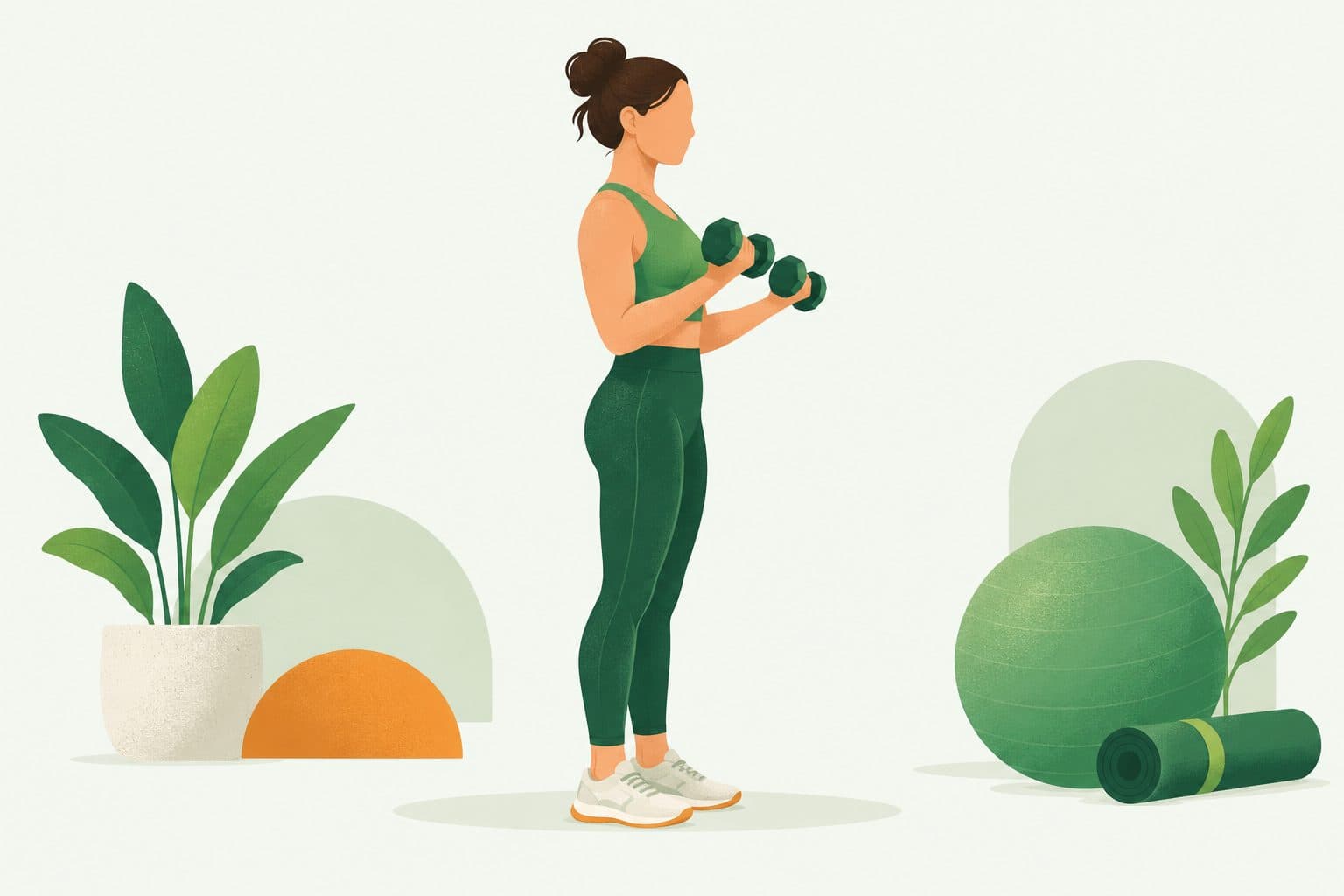
    Dumbbell curl is by far the most effective exercise. It primarily targets the biceps, and the main focus is majorly on the forearms as well as the shoulders. As the name suggests, it is done with the help of equipment, i.e dumbbells. 

    Here’s how you can start practicing it:

    Hold a dumbbell in each hand, palms facing arms at your side. Keep your core engaged, standing still shoulders straight and backward. Start moving your arm, lift the dumbbell making a 90 degree with your arm to the outside. It’s time to curl the dumbbell to the shoulder and to get your elbow in constant motion. Pause and repeat. With this, you can continue doing dumbbell curls. With each curl, you tend to feel inwards and it may disbalance you. Try to keep your core engaged to have better results. 10-15 rep each side with 3-4 sets is more than enough while starting. 

    3. Triceps extension:

    As the name suggests, it majorly targets the triceps while strengthening the shoulders as well as your core. It is ideal to either use a TRX suspension system. If not then, resistance bands can work fine too. 

    Hang your resistance band as something to be pulled over, like a pull-over bar. Grip it in each hand. Make sure your resistance band is strong enough to hold the weight. Take a few steps backward, this will create tension in the resistant band and some challenges for you as well. The Further you go, the more the tension on the triceps increases. Hold your elbows and bend them at 90 degrees. Move your body forwards in such a way that the weight is on your toes, move your elbows until they are straight. Come back to a still position. This is your first rep. Do this multiple times. 

    Though it’s a tricep exercise, only your forearms muscles must be engaged and whole body weight tension must be on the triceps. 

    4. Bench dips (triceps)

    Focuses on triceps and also strengths back, chest as well as shoulders. You need something to hold on to. Not necessarily a bench or something. Your bed is enough. It just must have ended up holding up. 

    Sit on the bench, and hold the front edge with your palms with your fingers forwards. Keep your heels on the floor, and you feel flat, knees bent in front of you. While engaging your core, press your body down with your palms and lift yourself from the bench. Try to bend your elbow and lower your body. Push back triceps and get your arms straight. That’s one rep. 10-15 rep per set is good to get started.

    5. Dumbbell shoulder fly:

    It is mainly made to make you huge. Target your back of the shoulder i.e posterior deltoids and also the whole back in general. You have to exercise this from a lateral rise in a bent-over position so that it targets your back and not your shoulders. 

    Here’s how you have to do it:

    Get into a quarter squat position, move a little forward. Use dumbbells, with straight arms, slowly giving a minor bend to your elbows. Move your hand until it reaches your shoulder’s height and then slowly, engaging your core, move then downwards. Try to keep your back flat as much as you can and maintain a straight posture throughout. 

    With consistency, and discipline you can build a great arm straight following all these exercises.

  • Best apps for workout music

    Best apps for workout music

    Most of us need a lot more motivation to work out than just the thought of being fit. Music can be a great motivation when it comes to working out with immense energy and passion. If you don’t have headphones, you’re more likely to cut your workout short or miss it altogether, according to a 2014 survey.

    As you can see, most people’s fitness regimens include some form of music. If someone forgets their water bottle, they’ll probably still go for a workout, but if someone forgets their headphones, they’ll instantly turn around, collect them, and then continue for a workout. People place a high value on music. That said, that may be a good thing.

    It’s a lot of fun, but it also has a significant impact on your workout. According to research, it can help you get more out of your training. Yes, you read that correctly! You may improve your workout results just by listening to music as you work out! If you don’t have headphones, don’t worry. Most gyms have music playing throughout the building. However, if you want to work out listening to your favorite playlist, you can always carry your headphones and enjoy your workout with your favorite songs!

    Benefits of working out with music

    • Listening to music while working out moderates your pain level. You are less likely to pay attention to the pain as you will be distracted enough by the intensity of the music.
    • Music not only increases your capacity to work out but also decreases fatigue.
    • Music can help you run farther, faster, or finish more reps if you’re working out while you’re listening to it.
    • It is a normal tendency of the human brain to synchronise the body’s movements with the beats of a song. Hence, music helps in making your workout or movements more synchronised.
    • Music helps in reducing pain because you never really pay much attention there while working out.
    • Music releases feel-good hormones are released when you listen to music (such as dopamine, oxytocin, and more). Cortisol (the stress hormone in your body) levels drop as a result. You’ll feel less stressed when these levels drop. It helps you get rid of your negative ideas and put yourself in a better mood. 

    Now, fortunately, there are many apps that help you curate a playlist specifically for workouts. This means that there are specific applications that are designed only for workout music. This is an amazing aspect for all the workout and fitness enthusiasts because they no longer have to download songs and compile them into a specific playlist. You will have particular apps that just have and play workout-specific music!

    Best apps for workout music

    Let us quickly run through all those apps that will solve all your music-hunt problems for once:

    RockMyRun

    Regardless of your fitness level or training program, RockMyRun has the finest workout music for you. Essentially, it’s a music app with a library of hundreds of workout mixes.

    RockMyRun’s DJs put together the mixes. Fitness enthusiasts advise on the tempo of the mixes, which are made to match the tempo of various workouts. They also have a smooth transition from one song to the next. A variety of mixtures are available to assist you in reaching your fitness objectives. 

    RockMyRun is the only app in the market that uses music synchronized with your heart rate and steps taken.

    Many users prefer the app since they don’t have to make their workout playlists, saving them time. Instead, customers can choose from a library of workout-specific mixes created by our DJs.

    Fit Radio

    FIT Radio is one of the original versions of Apple’s fitness music apps, and it’s exclusive to iTunes. Each of their carefully crafted concoctions comes in different sizes and forms. The music is divided into categories like “exercise mixes,” “new mixes,” and “tap-and-play,” all of which don’t require you to make playlists or cache any files. The mixes, of course, maintain a consistent BPM and rhythm.

    Although the free edition only includes three to six mixes per genre and is ad-supported, you do have access to new combinations and the ability to disable the song’s explicit lyrics. Paying for premium unlocks the whole mix archive, including unlimited skips and DJ profiles, without being interrupted by ads. For every additional dollar spent over a month, you’ll save $28 over a year. This app is suitable for Android and Apple users is rounded off by the excellent genre and station choices.

    Spotify

    With the epidemic in full swing, Spotify has made it easier to make workout playlists. To create a mix for each listener, the business is introducing an interactive website called Soundtrack Your Workout.

    Listening to podcasts and music can be mixed in a playlist that is up to two hours long. Listeners can also filter out explicit material. These include yoga, lifting, cardio, and strolling. They must also notify Spotify who they’re working with (either alone or via video call). On the next screen, they’ll choose their workout’s “mood,” such as “inspiration,” “dance,” or “zen.” Finally, they’ll pick their preferred music and podcast genre.

    Runtastic

    Runtastic offers you everything that a good workout music app should like tracking your speed, workout, pace, and so on. However, one unique feature about this app is that if you are bored of rejoicing with the same songs repeatedly, Runtastic has something exciting for you! Runtastic’s Running Story combines music and narration to create a unique listening experience. With headphones on, you’ll hear a heart-pounding story accompanied by music that will have you tapping your toes in time. Each narrative lasts around 35 minutes and can be downloaded right to your device, so you don’t have to use a streaming service while you’re working out.

    Gym Radio

    Gym Radio is an easy-to-use software that offers three different listening experiences: Cardio, Gym, and Hardcore. You can choose whatever you like based on the type of workout you will be doing at that particular time. The options in this app are limited, and hence, there aren’t a lot of possibilities to explore. 

    There’s a web player for Gym Radio as well, and it doesn’t necessitate any installation. Gymradio.com’s web player can be accessed by visiting gymradio.com. Their app is available for Android, iOS, and Windows phones and tablets.

    Spring Moves

    With Spring, you get the best of both worlds: tailored music selections and 35,000 songs, plus the option to create your interval training playlists. You’ll know when Spring has arrived when the music kicks in. This spring is well-versed in the science of how and why motion matching to music works, and she makes full use of it. Spring doesn’t have a vast music library, but it has GPS tracking to keep tabs on the essentials like distance and your song-based performance to know what spurred you on.

    Only Apple devices support Spring at the moment, and the free streaming time is limited to five hours. The good news is that Spring is compatible with your Apple Watch and Apple Health.

  • Top 10 types of protein supplements

    Top 10 types of protein supplements

    Living a healthy lifestyle is everyone’s goal, yet it is not that simple to achieve. There are multiple aspects to get the ultimate level of fitness and getting tempted with the wide range of junk food available is easy. Our body needs proper nutrients to keep up with our hectic schedule and stay healthy.

    One way to help and support our body is by providing a sufficient intake of one of the most essential nutrients- proteins. The right source of proteins can do wonders for your body. They are available in abundant sources, including various types of natural food and synthetic supplements made by humans. 

    You may come across several protein-enriched food items throughout your search. But finding items and products is not enough. You will have to search for items that are suitable and can easily blend into your timetable. This also includes its availability, affordability, taste factors, and so on. Here is a list of the top 10 types of protein supplements:-

    Eggs

    This was predictable but it is something that we cannot miss. Eggs are undoubtedly one of the best sources of proteins. They have proven themselves to be a very beneficial ingredient that should be included in all diets, especially if you need proteins. Not only proteins, but it is also rich in many other nutrients.

    The egg white portion of eggs is the most protein-filled part of the eggs, and even an egg as a whole is still unmatched to other foods items. The best part about them is that they can be consumed in any form. You can drink it raw in a glass, or you can cook up a whole meal around it. Right from omelets to scrambled eggs, from egg benedicts to french toast, eggs have got you covered in every single taste wish!

    Whey protein

    It is not possible to not hear about whey protein when you are into fitness. Whey protein has been around the industry for a long time now. Whey protein is extracted from the residue water left behind after the formation and making of cheese. Many health and fitness experts have firmly stood by the use of whey proteins in the diet.

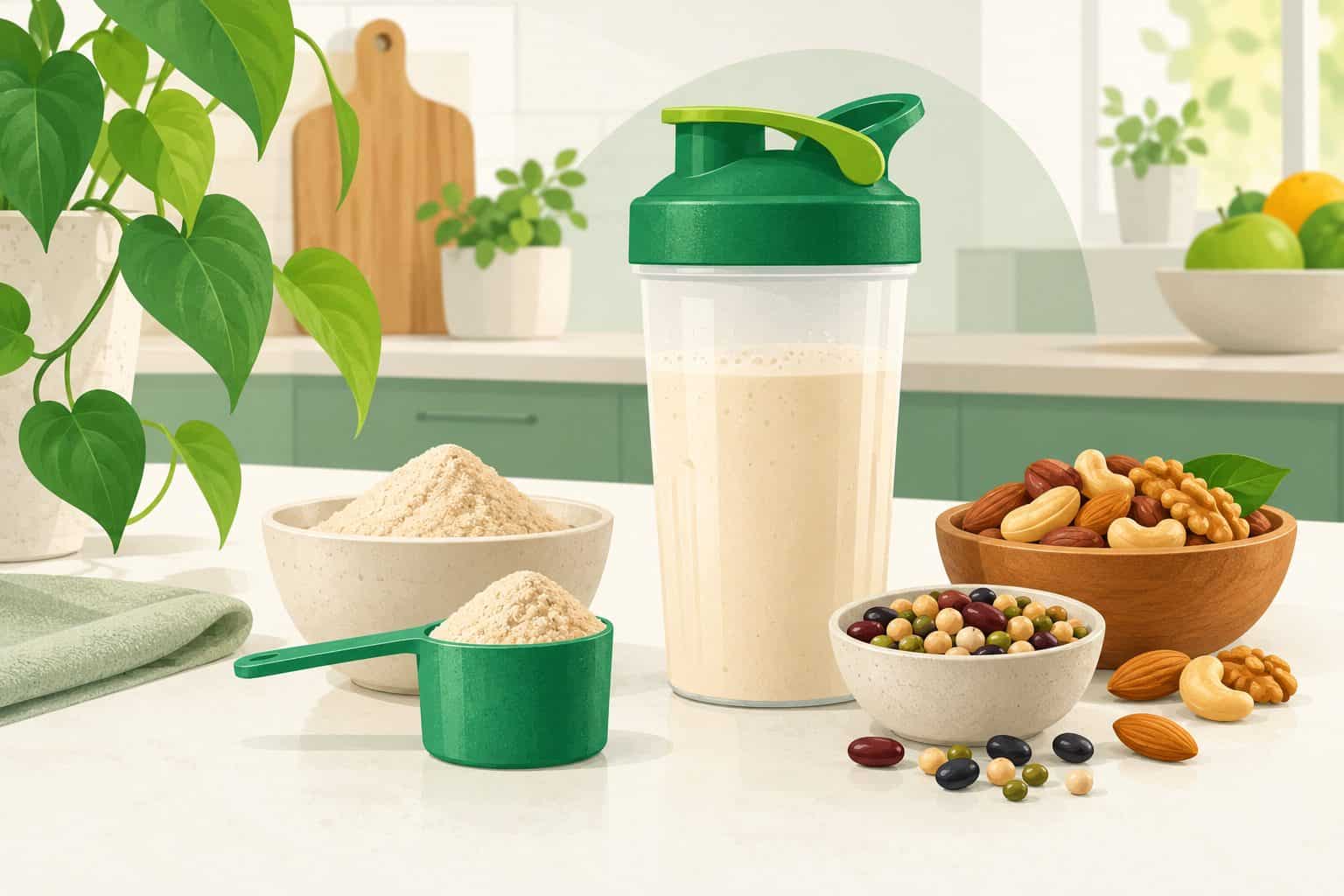
    Whey protein may seem exclusive to those looking to build a body, but in reality, it is accessible to anyone who wants to have a good protein intake. This helps with your muscle mass and enhances the health and features of the body. Whey proteins are consumed by getting mixed or made into shakes with water or milk.

    Chicken

    Chicken, especially the chicken breast, is very rich in proteins. Numerous people around the world prefer to eat chicken due to its protein qualities. It is even more beneficial in nutrients if the skin of the meat is removed and discarded. It can be added multiple times to your diet throughout the week or even the day.

    It can be used to make breakfasts, and it can also be used to make proper filling lunches or dinners. There are hundreds of different ways to make chicken. This ensures that you can try out new dishes and recipes every time you eat chicken for proteins. Boiled chicken with herbs is the best way to eat it to gain these nutrients rather than the deep-fried method.

    Nuts

    You won’t have to make any additional efforts to ensure the consumption of nuts since they are eaten like snacks. Almonds have the highest protein content in them. Peanuts can also help a lot with the protein intake goal. They can be easily stored in a container or bowls for a laid-back approach to their consumption, or you can add them in low-calorie or low carbs dishes made by yourself.

    Fish

    Fishes are very nutritious, and the right fish for proteins can give you a lot of advantages. Generally, all fishes have good protein levels, but tuna stands out the most due to its exceptionally high proteins. Fishes can be cooked in numerous ways, which keep the whole exchange of nutrients absorbing for a long time.

    Furthermore, fishes contain an essential nutrient called omega-3 fatty acids. These acids help the overall development of our body. This includes brain development, better bone, and joint strength, better eye health, good immunity, and more. 

    Organic pill supplements

    It is quite possible that you may not have the time to cook or whip up something for yourself often. Organic protein pills can be a lifesaver that will help you through this busy schedule and lack of protein-rich foods. They are quite often made from different plants with protein-based properties and crushed into pills.

    They go through the same medical tests and approval processes as any other medicine. The frequency and amount of consumption depend upon the deficiency in the individual. It is advisable to get prescribed by a professional health care worker and follow their instructions regarding doses.

    Pulses

    Pulses are an excellent source of proteins. They have a lot of different types among them that widen their choosing range and keep the individual hooked to it. Brussel sprouts and lentils have a high level of proteins, so naturally, they are the ones prepared and consumed the most for protein health.

    Milk

    Milk is typically known for its calcium qualities, but its protein content is often not discussed enough. Drinking milk even once a day can significantly help lift your body’s protein amount. It will also help you with almost all other nutrients to build your immunity and strengthen your body.

    Vegetables

    Vegetables like broccoli are very beneficial for increasing protein in your body. They can be mingled in salads and can also help with a healthy approach to junk food. You can add vegetables on top of homemade pizza and use them between the layers of burgers and more!

    Oats and cereals

    The right choice of oats and cereals can make a lot of difference since they are eaten almost every day. Oats have a high level of fibres as well, so you have that added advantage. Cereals marketed the most usually have very high sugar and calorie count, but if you pay attention and pick a smart option, it can be beneficial!

    Maintaining a fit lifestyle is a challenge, but with these easy and nutritious protein supplements, you can keep your health quotient high with ease!

  • How to stay motivated as a beginner?

    How to stay motivated as a beginner?

    A little progress each day adds up to BIG results.

    When you want to start the journey of being fit, there are several hurdles along the way. The first one is the motivation to start. All of us want to be healthy and look great but are lazy even to begin. And when we do begin, we start becoming inconsistent soon after. Mentally, we keep promising ourselves that we will start the next day again. However, laziness or our busy schedule takes over, and we don’t do as decided. The road to staying fit is difficult but not impossible. All you need is some motivation, hard work, and dedication. Let’s talk about a few ways that can help you stay motivated as a beginner.

    10 ways to stay motivated as a beginner

    Set realistic goals

    Begin with short-term goals and work your way up to longer-term ones. Don’t forget to set attainable and reasonable goals for yourself. Overly ambitious goals are a surefire way to burn out and give up.

    Consider setting a short-term goal of walking for 10 minutes five days a week, if you haven’t exercised in a while. Even if you only exercise for a few minutes each day, you will reap the benefits. A 30-minute walk five days a week as an intermediate aim would be ideal. A long-term objective could be to walk a 5K distance.

    Make it fun

    Find a sport or activity you like, then switch up your routine to keep it fresh. If your workouts aren’t motivating you, switch things up. If volleyball or basketball is your favorite sport, get involved in them and join a class or two! Learn how to dance or go the Zumba way. A fitness center or a martial arts school may be of interest. Yoga, HIIT, and kickboxing are all great options for those who like to work out at home. Walk or run in a park in your neighborhood instead. Find out if you have untapped athletic or other hobbies.

    As long as you keep things interesting, you’re more likely to stay committed to a fitness regimen.

    Snapshot your progress 

    In an era where people photograph almost everything they see, taking an image of your body before a workout is not a new thing and not a waste of time and energy. Progress must be seen. You’ll reach a point where you’ll doubt your improvement since you don’t perceive it. Pictures of your progress help you appreciate your physical growth. Even if you can’t “see” the benefits of a healthier diet and regular exercise, the effort will pay off in the long run. Always remember to snap images every week. 

    Include physical activity as a part of your daily routine

    Don’t use lack of time as an excuse for not working out. Set up a time for exercise on your calendar just like you would for any other essential commitment.

    You can also incorporate physical activity into your daily routine in little bursts. For example, you could also park further away and walk instead of taking the elevator. While the children are engaged in sports, stroll up and down the sidelines. During a work break, go for a walk.

    Stretch, stroll or climb the stairs if you work from home. Squat, lunge or sit-ups are more options. If you own a dog, go for a walk with them. During your lunch break or when you’re watching TV at night, try pedaling a cycle, walking or jogging on a treadmill, or doing weight training exercises.

    Practice self-discipline

    Motivation cannot always help you win the battle. It can indeed get you a head start but cannot be enough to pull you through the entire journey. You need to follow self-discipline and be sincere in achieving your goals, whether short-term or long-term. The discipline inculcated here will also help you in staying disciplined in other areas of your life! 

    Eat the right food

    What you eat essentially makes up for who you become and what you think. What goes inside your body plays a significant role in getting your body boosted up for regular exercises. Your energy levels and progress depend upon what you feed your body. Whether it is the food you eat, the fluids that you drink, or the supplements you take, all of these need to be in the right quantities to get your diet sorted.

    Record your progress on paper

    What is your goal of working out? Do you want to get in shape? Do you want to improve your metabolism? Better sleep, perhaps? Or do you have a health condition that could get better with working out? Whatever it is, put everything on paper. Make it legit. Seeing your goals and progress on paper will help you to stay motivated and aim to deliver more.

    Request friends or family to join you

    You do not have to grind alone. You can ask your neighbors, friends, and family to join you to incorporate a healthier lifestyle. If your friends want to just go on a walk, accompany them. If your child wants to play running and catching with you, play along. Indulge in a particular dance session with your partner or just join a gym virtually or offline. Do whatever it takes, but just begin.

    Go workout shopping

    You do not necessarily have to go shopping, but if you happen to shop for workout clothes and other workout accessories, you are more likely to show excitement to work out in the coming days. But, of course, you have spent a certain amount of money on shopping specifically for activities, and that itself could act as a huge motivation to get you started.

    Reward yourself

    Every time you work out, stop for a few minutes to appreciate the positive emotions it fills you with. This form of self-motivation can help you stick to a regular fitness schedule in the long run.

    External incentives can be beneficial as well. For example, a new pair of walking shoes or new music to listen to while exercising are great rewards for reaching a longer-term objective.

    Conclusion

    The most challenging element of adopting a healthier lifestyle is getting started in the first place. Once you’ve decided to begin working out and eating a healthy diet, you must remain dedicated to them. When things become challenging, go back and read this post. Discipline is more important than motivation if you want to stay on track. Eating well and exercising regularly will improve your quality of life by enabling you to focus on what’s essential in life.

  • 7 reasons to document your fitness journey

    7 reasons to document your fitness journey

    Most people who start a fitness journey quit within the first 6 weeks. Not because they lack willpower or because the plan was wrong — but because they can’t see their progress, lose motivation, and eventually stop believing it’s working.

    Documenting your fitness journey solves this problem directly. It’s one of the most evidence-backed strategies for sticking with any behaviour change — and it costs nothing but a few minutes of your time.

    This isn’t just about taking before-and-after photos (though those help). Documentation creates a feedback loop between your efforts and your results, keeps you accountable to yourself, identifies what’s working and what isn’t, and builds a record of achievement that becomes one of your most powerful motivational tools.

    Here are 7 compelling reasons to start documenting your fitness journey today — plus exactly how to do it.


    Why Documentation Works: The Psychology Behind It

    Before the 7 reasons, it’s worth understanding why documentation is so effective psychologically.

    Research in behavioural science consistently shows that self-monitoring — the practice of observing and recording your own behaviour — is one of the most reliable predictors of successful behaviour change. A meta-analysis of 138 studies found that self-monitoring interventions produced significantly better outcomes for health behaviour change than those without it.

    The mechanism is simple: what gets measured gets managed. When you write something down, you create a concrete record that makes progress visible, accountability real, and patterns clear. You also create a psychological contract with yourself — the act of recording a goal or a workout increases commitment to follow through.


    7 Reasons to Document Your Fitness Journey

    1. It Makes Progress Visible — Even When You Can’t Feel It

    The body adapts to exercise gradually. Week-to-week changes are often invisible to the naked eye and imperceptible to the person experiencing them. This creates a dangerous illusion that “nothing is working” — which is one of the primary reasons people quit.

    Documentation makes invisible progress visible. When you track your workouts, you can see that you’re now doing 15 push-ups where you could only do 8 six weeks ago. When you photograph yourself monthly, you can see the subtle postural improvements and muscle definition that you don’t notice day-to-day. When you log your yoga practice, you can see that Child’s Pose is now comfortable where it once felt impossible.

    The psychological effect is profound. Seeing documented evidence of real progress — even small progress — activates the brain’s reward system and produces a genuine motivation boost. It transforms the abstract feeling of “I’ve been trying” into the concrete reality of “I have improved.”

    What to track:

    • Workout performance (repetitions, duration, distance, pace)
    • Body measurements (waist, hips, chest — taken monthly)
    • Progress photos (same lighting, same clothing, same pose — monthly)
    • How specific exercises feel (is Downward Dog getting easier? Can you hold Plank longer?)
    • Energy levels and mood after sessions

    2. It Keeps You Accountable — To Yourself

    Accountability is one of the most powerful drivers of consistent behaviour. Most people think of accountability as something external — a personal trainer, a workout partner, a fitness class. But self-accountability — the practice of being answerable to yourself — is equally powerful and available to everyone.

    When you write down that you planned to exercise four times this week, and then track whether you actually did, you create a clear, honest record. There’s nowhere to hide. The gap between intention and action becomes visible — and for most people, that visibility is a powerful motivator to close the gap.

    Research from the Dominican University of California found that people who wrote down their goals and shared progress with a friend achieved significantly more than those who merely thought about their goals. Even without the social component, the act of writing goals and tracking progress produced substantially better outcomes.

    How to use documentation for accountability:

    • Write your weekly fitness intentions at the start of each week (3 yoga sessions, 4 walks, 2 strength sessions)
    • Log each session as it happens — even with a simple tick
    • At the end of each week, review: what did you plan vs what did you do? What got in the way?
    • Don’t judge missed sessions — analyse them. Was the plan unrealistic? Did something come up? How can next week be structured better?

    3. It Helps You Identify What Actually Works for Your Body

    Every body responds differently to exercise and nutrition. What produces dramatic results for one person may produce minimal results for another. Without documentation, it’s almost impossible to identify these individual patterns.

    Documentation allows you to correlate your inputs (what exercises you did, what you ate, how much you slept) with your outputs (how you felt, how you performed, what changed physically). Over time, clear patterns emerge:

    • “I sleep dramatically better on days when I do yoga in the evening”
    • “My back pain flares up when I skip my morning stretching for more than two days”
    • “I lose more fat in weeks when I eat more protein at breakfast”
    • “I perform better in morning workouts than evening ones”

    These individual insights are far more valuable than generic fitness advice — and they’re only accessible through consistent documentation.

    What patterns to look for:

    • Which exercises produce the most noticeable improvements in your body
    • Which foods leave you feeling energised vs sluggish
    • How sleep quality correlates with workout performance
    • Which times of day you exercise most consistently
    • What triggers missed workouts (stress, late nights, specific circumstances)

    4. It Improves Your Exercise Form and Technique

    Correct form is the foundation of effective, safe exercise. Performing an exercise incorrectly not only reduces its effectiveness — it creates injury risk that can derail your entire fitness journey.

    Video documentation of your workouts is one of the most powerful form-improvement tools available. Watching yourself perform exercises reveals things you simply cannot feel from the inside: a rounded back in a deadlift, a knee collapsing inward in a squat, an asymmetric yoga pose that you thought was balanced.

    For yoga practitioners in particular, video documentation is invaluable. The subtleties of alignment — the angle of the hips in Warrior II, the rotation of the spine in a twist, the engagement of the core in Plank — are very difficult to self-assess without visual feedback.

    How to use video documentation for form:

    • Set up your phone on a stable surface and record your sessions periodically (not necessarily every session)
    • Review key exercises you’re working on
    • Compare your form to a reference video of correct technique
    • Note specific cues to focus on in your next session (“keep shoulders away from ears in Downward Dog”)
    • Track form improvement over months — the difference between your week 1 and week 12 videos is often remarkable

    5. It Prevents Plateaus by Revealing When to Change Your Routine

    Fitness plateaus — periods when progress stalls despite continued effort — are one of the most frustrating and demoralising parts of any fitness journey. They happen because the body adapts to a consistent stimulus and stops being challenged.

    Without documentation, plateaus can go undetected for weeks or months. You know something feels different but can’t pinpoint when it started or what changed. With documentation, a plateau shows up clearly in your data — your running pace has been the same for 6 weeks, your yoga practice isn’t progressing past the same poses, your weight has been unchanged for a month.

    This visibility allows you to intervene strategically: increase workout intensity, change the exercise selection, adjust your diet, take a recovery week, or try a different yoga style. Small, data-informed adjustments keep progress moving consistently.

    For workout variety ideas, see our guide on 4 exercise routines for beginners.


    6. It Builds a Motivational Resource for Hard Days

    Every fitness journey includes hard days — days when you’re tired, discouraged, or seriously considering skipping your workout permanently. On these days, motivation from external sources (social media, fitness influencers, motivational quotes) often falls flat because it doesn’t feel relevant to your specific situation.

    Your documented fitness journey, however, is uniquely and specifically yours. Flipping back through weeks or months of records and seeing real, concrete evidence of your own progress — your own improvements, your own consistency, your own transformation — is a form of motivation that no external source can match.

    Looking at a photo of yourself from 3 months ago and comparing it to today, or reading a workout log from week 1 where you struggled with 10 minutes of yoga and comparing it to today’s 45-minute practice — these create a deeply personal and powerful motivational resource.

    Practical tip: Create a “wins folder” — a dedicated space (physical or digital) where you collect your best progress photos, most satisfying workout records, and notes about moments where you surprised yourself. Review it whenever motivation dips.


    7. It Inspires Others and Builds Community

    A fitness journey documented and shared becomes a story — and stories inspire people. When you share your honest, real documentation of your fitness journey, you offer something far more valuable than polished transformation photos: you offer evidence that an ordinary person, in real circumstances, with real challenges, can make real changes.

    The people most likely to be inspired by your journey are those who are exactly where you were when you started. Your documented struggles and breakthroughs give them a believable, relatable path forward.

    This is also why documenting your journey on Instagram, a blog, or even a private WhatsApp group can accelerate your own progress — the social component of sharing creates additional accountability and community support that makes the journey more sustainable.

    And here’s the bonus: documenting for others forces you to reflect more deeply on your own experience, which deepens your learning and reinforces your habits.


    How to Start Documenting Your Fitness Journey: A Practical Guide

    Choose your format. There’s no single right way to document. Choose what you’ll actually stick with:

    • A physical journal — simple, private, no technology required
    • A notes app on your phone — quick, always with you
    • A dedicated fitness app (MyFitnessPal, Strong, Strava) — automatic tracking for specific metrics
    • Instagram or a blog — public accountability and community
    • A simple spreadsheet — for data-oriented people who want to track multiple metrics

    Keep it simple at first. The biggest mistake is trying to track too much at once. Start with just three things: date, what you did, and how you felt. Add more metrics once the habit is established.

    Be consistent, not perfect. Missing a day of documentation is not a reason to stop documenting. A fitness journal with some gaps is infinitely more valuable than no journal at all. The habit of returning after a gap is itself important to build.

    Review regularly. Weekly and monthly reviews are where the value of documentation really shows up. Set aside 10 minutes each Sunday to review the past week. Once a month, do a longer review: what changed? What’s working? What needs adjusting?


    Frequently Asked Questions

    Q: What should I track in a fitness journal?
    Start with the basics: date, exercise type, duration, and how you felt. From there, you can add: specific exercises and repetitions, body measurements (monthly), progress photos (monthly), energy levels, sleep quality, and nutrition notes. The key is consistency over comprehensiveness.

    Q: Do I need a special app to document my fitness journey?
    No — a physical notebook works perfectly well. Apps can be useful for automatic tracking (step counts, heart rate, workout logging) but are not necessary. The best tool is the one you’ll actually use consistently.

    Q: How often should I take progress photos?
    Monthly is the ideal frequency for progress photos. More frequent than that and the changes are too subtle to see; less frequent and you lose resolution on your progress timeline. Always take photos in consistent conditions: same time of day, same lighting, same clothing, same poses.

    Q: Should I document my fitness journey on social media?
    This is a personal choice. Public documentation adds social accountability and can build community, but it also adds pressure that some people find counterproductive. A private Instagram account — visible only to close friends — is a good middle ground. Start private and go public if and when you feel comfortable.

    Q: What if I miss days or fall off my routine — should I still document?
    Absolutely. Documenting struggles, setbacks, and missed periods is arguably more valuable than documenting successes. It reveals patterns in what derails you, helps you identify solutions, and creates an honest record that is far more useful (and inspiring to others) than a carefully curated highlight reel.

    Q: How long should I document my fitness journey?
    Indefinitely — or at least for as long as you’re actively working on your fitness. The longer you document, the more valuable the data becomes. A two-year fitness journal is a genuinely extraordinary resource — for your own reflection and potentially for inspiring others.


    Final Thoughts

    Documenting your fitness journey is one of the simplest, most effective, and most underutilised tools available to anyone who wants to get healthier, stronger, or more fit.

    It doesn’t require special equipment, significant time, or technical knowledge. It requires only the habit of paying attention to your journey and recording what you find.

    Start today. Write down what you did, how you felt, and what you want to achieve. In three months, you’ll have a record that surprises and motivates you. In a year, you’ll have something genuinely invaluable.

    For your next step, explore our guides on how quickly does yoga change your body and 5 health benefits of regular exercise to understand what changes to look for as you document your journey.


  • 10 ways to come out from mental illness

    10 ways to come out from mental illness

    Mental health is not a destination, but a process. It’s about how you drive, not where you’re going.

    A healthy mind is the core of one’s being. You can be the smartest person with the best body and physical health, but nothing else matters if you are not peaceful in your mind. Sometimes, falling into any form of mental illness or depression can happen even before you know it. Sometimes, you already feel depressed but have no idea about it. Falling into depression is easy but coming out of it is a long and gradual process, a process that not just needs time but patience and hard work too. 

    The worst part about mental health is that it affects everything you do in life and all your relationships as well. It clouds your thoughts in such a way that you can no longer judge good and bad. Depression can make you feel extremely lonely and isolated. Haven’t you noticed that inner voice in your head that is constantly knocking you down with negative thoughts and demotivating you? People suffering from depression should seek out individuals who are going through the same thing as them. Mental insanity can become worse during the winters when depression is particularly severe for many people.

    The only way to get out of a mental illness is by taking charge of your life and taking the necessary steps to pull yourself out of the negative and venture into the positive of life. 

    10 ways to come out of a mental illness

    Let us go through a few ways that can help you get out of any kind of mental illness or depression:

    Value yourself

    Always remember that you are important, and you are precious. Never devalue yourself for anything and anybody. Treat yourself with dignity and self-respect. Avoid thinking bad about yourself. Positive self-introspection is good, but self-bullying isn’t. Instead, start doing what you like. Concentrate on your hobbies and do something productive each day. Go out, make friends, dance, sing, learn a new language, travel- do anything you enjoy!

    Practice Mindfulness

    Do you often find yourself stressed, anxious or too overwhelmed? Start practicing mindfulness; it can really change the game for your mental health. Mindfulness is a way of living that involves putting all of your emphasis on the current moment and not making any judgments about your feelings or experiences that you’re experiencing currently. It’s a mindset of contentment with the present situation. You start accepting things as they are. It’s normal to get back to those negative thoughts, but when you start practicing mindfulness, you find a way to push those negative thoughts aside and focus on the present moment, the moment of tranquillity and peace.

    Eat the right things

    An improper diet puts stress on your body’s ability to handle stress. Unfortunately, the inverse is also true: tension can lead to poor eating habits. Stress makes people crave high-calorie, high-fat foods, according to the American Psychological Association. According to the findings, 38% of American adults have admitted to overeating or consuming unhealthy meals due to stress. Most people claim they indulge in unhealthy or excessive eating at least once a week. It’s a never-ending cycle since poor eating habits lead to weight increase and diminished self-esteem.

    Exercise

    Exercise is a great way to feel better because when you exercise, your brain releases feel-good hormones called endorphins and other chemicals. These chemicals enhance your overall well-being and make you feel happier. You also get busy with an activity, and your brain has lesser time thinking about all the negative things in life.

    Surround yourself with positive people

    The people who you are with have a major role in shaping you as a human. If you are with good people, you learn good things and become a good person, but if you have bad company, you also become a bad person with bad habits. Research shows that those with a strong family and friends’ circle are said to be in a better place, both mentally and emotionally, than those who don’t have anybody. Therefore, it’s always better to surround yourself with real and genuine people.

    Set realistic goals

    Identify your academic, professional, and personal goals, then create a plan to help you get there. Aim high, but keep your expectations in check by not overcommitting yourself. Your self-worth and sense of accomplishment will soar as you get closer to your objective.

    Avoid alcohol and other drugs

    Limit your intake of alcoholic beverages and abstain from the usage of illicit drugs. Whether it is alcohol or any other form of drug, it will always only aggravate mental issues and never make you feel calm. 

    Start a gratitude journal

    When you are under depression, you tend to think only about those things that hurt you or put you down. We often remember the bad or the negative things and never give due importance to the good/positive things in our life. By writing a gratitude journal regularly, we emphasize all those things that we are thankful for. We should and must be grateful for things as small as the meal we get or our relationships. Journaling all these things helps in understanding how lucky we are and how good life is.

    Give back

    It’s a win-win situation to do community service. You’re bettering your mental health while also aiding people in need. Volunteering’s social component helps battle depression by bringing you together with others. Volunteering has been shown in studies to reduce stress, anxiety, and even rage, while simultaneously boosting confidence. Most volunteer positions also demand stress-busting physical activity as an extra bonus. Have no idea where to begin? Fortunately, finding volunteer opportunities has never been easier, thanks to the internet.

    Do not shy away from seeking professional help

    Sometimes coming out in the open about your mental state may seem like the most difficult thing to do. This could be because of the fear of being judged or looked down upon. In such times, opening up to a professional therapist can be your best and safest bet because they won’t even judge you and will give you the best and tested solutions to your problems while helping you deal with depression more technically.

    Conclusion

    When a person feels sick mentally, pretty much every aspect of their life comes to a halt; everything changes. If one doesn’t recover from these things on time, it could turn out to be a major health issue. Therefore, by following the points mentioned above, one can improve their mental state and lead a better life!

  • 4 exercise routines for beginners

    4 exercise routines for beginners

    It’s indeed very hard to start your fitness journey, that too when you are demotivated. And also done with mean comments from every other person. In such a scenario, maintaining a healthy lifestyle that includes regular exercise as well as portion control can go a long way. Sitting at home, thinking about achieving your goals won’t help. 

    You don’t necessarily need to go to the gym to start a healthy life. You can do a lot at your own pace, just with your body weight too. There are a few exercises which should be done by everyone, beginner, advanced and even moderate level people. Because those exercises help you tone your overall body. And each exercise has its way to be performed by every person at different levels. It’s a myth to use weights to get started with exercises in your daily life. Using body weight in the right form can also do wonders. In this article, we will let you know the importance of including body weight in our exercise and also 5 exercise routines for beginners. 

    Using Body Weight while exercising:

    Weights, dumbbells are no doubt an important part of your workout journey but solely relying on them, and delaying the fact that you have to get started is an act of foolishness. You don’t have any equipment but you want to get started anyhow, right? Just with the proper usage of your body weight, muscles you can do wonders, and if needed chairs and other furniture, water bottles are supportive enough. A tight stretch to your muscles after an intense workout is all you need.

      A renowned trainer at Drive Tran Hustle says, “Bodyweight allows you to focus on form first, so you can set yourself up with a solid, safe foundation and address any muscle imbalances,”. Everyone wants to achieve their ideal goals as fast as they can, even though some of them are quite unachievable, but still when you watch people lifting tons of weight and you doing cardio. It’s natural to feel this way. But you need to get in the momentum to get there. It’s your fitness journey and you don’t need to compete with anyone else’s.

    It’s important to know the fact that fitness goes step by step, first, you get comfortable with your body weight, then a few external weights, slowly move to a resistance band to put some extra stretch on those muscles, and later move on some heavyweights accordingly. The sooner you understand this, the better.

     Let’s get started with some exercise routines for beginners:

    1. Squats:

    Squats are one of the most basic types of exercise. It’s induced by everyone in their daily workout routine. It just gets moderate and customized when you attain an advanced level in it. But somehow, not everyone can do it properly and if you’re starting, you must do it in a corrected form, otherwise, you may harm some of your muscles.

    • Keep your feet apart at your hip distance.
    • You have to sit in a chair-like position, in squats. So bend your knees over your ankles, creating a sitting position of your butts. 
    • In this way, your knees and lower leg will be at a 90-degree angle. You may not achieve it in the initial days, but remember it’s your goal to do so. 
    • Don’t stretch your knees beyond your toes.
    • Stand straight again. And that’s your one rep. 
    • Do this 50 times a set and you will be done. 

    2. Lunges:

    Lunges being lunges are not everybody’s cup of tea, and harder to get into the perfect form too. But consistency is the key, right? Here’s how you can start it:

    • When you do lunges, one leg is the active one. Keep it ahead and the other leg hip-distance apart. The heel of the leg behind must be up. 
    • Bend your knees in the same position. Then your front, as well as a back leg, must be at a 90-degree angle.
    • That’s one rep. Now stand up and try again with different legs this time. 
    • Do multiple reps of it in 3-4 sets. It’s a great exercise for your thighs and glutes.

    3. Plank:

    No matter at what stage you are on your fitness journey you will either hate or love planks too much. There’s nothing in between. The ones who love doing planks are already in love with its after-effects. And the ones who hate doing it know how important planks are to strengthen your body too. Though, if you’re starting, it’s a great exercise to get that little pouch of yourself in shape. Here’s how you do it properly:

    • Get into a pushup position with your hands aside at your shoulder-width distance apart. Lowering your forearms, and resting on them.
    • Keep your belly or pouch hugged towards your spine, this way your core will be engaged. 
    • The whole stretch must be on your belly. You might feel a little shiver down your body, towards your legs. 
    • Hold this position for about 30 seconds when starting and later increasing eventually. 

    Plank gives you a strong core to furthermore master any other exercise.

    4. Burpees:

    Burpees are often considered the advanced form of workout but didn’t we state this thing earlier than every exercise can be done by anyone? 

    It’s just about a few moderations while doing so. Burpees can be said to be the most effective and most calorie urinating exercise one can do on their own. 

    • Bend your knees, keeping a straight posture. placing your hand on the floor. 
    • Try to jump and if not possible, walk into a plank position.
    • Get fully laid, your chest touching the ground.
    • Press your body back, into a plank position. Get your feet inward again. 
    • Do this again, and jump as hard as you can this time. 
    • Bend your knees again and prepare yourself for the upcoming reps. 

    Burpees are a great way to lose that hard stubborn weight. But you must not push your limits just while starting. Take it slow, take it long. 

    These are 4 great exercise routines for beginners to get their fitness journey started.

  • How to stay healthy and fit as you get older?

    How to stay healthy and fit as you get older?

    When we hear the word healthy and fit, the first thing that strikes our mind is physical fitness. But is it just the physical health that matters? A person is deemed to be healthy and fit when they are active and fit both physically and mentally as well. 

    Whether a person is young or old, there is always a direct correlation between a healthy lifestyle and an individual’s lifespan. It is always better to start following a proper and healthier lifestyle as soon as possible so that life is better and sorted when you start getting old. Nobody wants to age in a disgraceful manner. There should be certain ground rules in life, at least as far as health is concerned.

    10 ways to stay healthy and fit as you get older

    When you start taking care of your health right from the beginning, getting older won’t be a nightmare. Rather, age will just be a number. So, what exactly should you follow so that you can remain healthy and fit as and when you get older? Let’s find out!

    1. Be physically active

    At any age, staying active physically has a significant role in determining how your life would be in the coming years. Exercise lowers cholesterol and blood pressure. It can also help reduce weariness and shortness of breath, allowing you to keep up with your everyday activities. 

    Exercise not only lowers the risk of heart disease but also enhances the quality of life. Arrhythmias, lipid profile alterations, and insulin sensitivity can all be averted by remaining active. Finally, exercise reduces stress, which is linked to cardiac disorders.

    Here are a few things to help you be active physically:

    • Go for a walk every day, even if it is just for 20-25 minutes.
    • Choose and pick exercises that will suit your body and age. Start doing them.
    • You can also try cardio exercises because they will help you strengthen your core and make your body more flexible.
    • You can also choose to include swimming as a part of your physical workout plan.

    2. Have a routine

    Having a routine in your life will make your life more systematic and easy. You will also follow all the lifestyle changes that you plan to make. By following a proper routine, you will exercise regularly, socialize whenever you want, and eat healthy food on time. 

    3. Watch your diet

    If you want to lose weight, you may have to do more than just exercise and pay attention to your diet. The way you lead your life speaks a lot about how easily you can lose excessive weight. 

    You must be aware of what goes inside your body. If you are buying food from outside, check its nutrients list. Avoid processed foods and eat fresh whole foods. Avoid high sodium and synthetic chemicals.

    Reduce your intake of processed carbs and sugars. These foods may increase hunger and cravings. Substitute whole grains.

    One method is to eat more low-calorie foods such as leafy greens, fruits, and soups. Because these meals are high in water, they are low in calories per serving.

    4. Exercise your brain

    Isn’t it all always about the brain? Just because you’re getting older doesn’t mean that you don’t do any mind-building activities. Keep your brain busy by doing something that you enjoy. It could be as simple as solving sudoku and word puzzles as challenging as learning a new language or a skill.

    5. Be socially active and connected

    It’s critical as you age to stay socially connected to keep your body and mind healthy. More socially active people tend to be in better physical and mental health. Positive feelings and less stress are the results of social engagement. Alzheimer’s disease is less common among seniors who are more socially active.

    6. Avoid injuries

    Don’t forget to exercise so that you can keep healthy and avoid getting hurt. Older adults are more likely to be injured during exercise since their bodies go through specific degenerative and elasticity changes as they get older. Our ability to exercise can be harmed by changes in our balance or the medications we’re taking. Spare your shoulders (and other fragile body parts) the strain of heavier weights and stay away from dangerous workouts. Prevent injury by avoiding repetitive motion overuse and military-style fitness training.

    7. Be aware of slower metabolism

    A slower metabolism, hormonal shifts, and loss of muscle mass are all factors that might contribute to weight gain as we become older. Attempts to lose weight might be slowed by medical issues, and medications like antidepressants or corticosteroids can add to the difficulty.

    You may not be exercising as often or as intensely as you should be if you want to lose weight. If you’re trying to slim down, making small adjustments to your fitness regimen will help you get there. Try adding an inclination to your treadmill workout, alternating between walking and running speeds, or enrolling in a dance class as an alternative.

    8. Pay attention to your mental health

    The ultimate goal of life is to be peaceful and happy. Your mental health is the center of everything else in your life. Only if you are happy and mentally sane can you do other things and make the right decisions. In this quickly changing world, no person is not stressed. Stress and tensions will never help you if you want to stay fit and live long. Therefore, take steps that will keep you mentally strong, like practicing self-love, being satisfied with what you have, and always being kind and helpful!

    9. Quit smoking and alcohol

    Smoking and alcohol at any age isn’t a good thing. Research has shown that those who consume alcohol and also have the habit of smoking will age quicker than others and will also be at an increased risk of developing any disease. If you are a regular drinker or a chain smoker, quitting it at one shot is not possible. However, you can always leave these habits slowly and steadily. However, if you can still quit smoking and drinking after repeated efforts, you can even consult a doctor.

    10. Get enough sleep

    Adults over the age of 65 are advised by the National Sleep Foundation to get seven to eight hours per night. Your sleep schedule may vary as you get older, making you sleepier in the evenings and more eager to wake up earlier in the morning. This is normal and poses no problems as long as you get the seven to eight hours of sleep per night that experts recommend. Talk to your doctor if you suffer from chronic or acute insomnia. They can help you figure out what’s keeping you up and offer suggestions for coping strategies.

    Conclusion

    Life is very precious. If you don’t take both physically and mentally, you will not have a good life as you get old. With a proper plan to rock your life, no matter what age, you can indeed simplify your life and stay healthy and fit!

  • 5 health benefits of regular exercise

    5 health benefits of regular exercise

    Exercise does not always mean burning yourself in sweat in the gym. Exercise in simple terms means just moving your body. Taking stairs instead of lifts is considered moving your body. Anything that involves your muscles to move and eventually burns calories is exercising. Be it walking, jogging, dancing, etc. 

    Exercise has immense health benefits. Not only physical, but it keeps your mental health sane too. It gives you a perfect balance of life and if it is done regularly, your life span can be stretched for years. You must have heard the saying, “Prevention is better than cure” right? Then, exercising is one of the best ways to prevent diseases and take care of your body. In the middle of multiple medical emergencies, there’s no way you must be chilling and underestimate your body. 

    In this article, we will let you know the 5 health benefits of regular exercise.

    1. It makes you feel happier:

    Research has shown that exercise can lift your mood within days and when it does there’s no going back. It can help you fight stress, anxiety, and even depression. You must be thinking if you haven’t exercised yet. How can something which would sore your muscles be meant to give you happiness? But it does. 

    It increases the amount of endomorphin present in various parts of your brain, which can help you prevent stress and anxiety. It generally increases the brain sensitivity, through which you tend to feel every emotion. It increases serotonin, norepinephrine which help in fighting depression. There is no hardcore rule of how much you must exercise to be happy or even happier. Simple 10-minute cardio can intensify your happiness.  

    A group of 25 women, diagnosed with depression exercises for a few weeks and the results were astonishing. They had something to focus on, rather than sticking to something which constantly hurt. No matter how basic or advanced exercise you do, once you start doing it, it affects your mood in such a way that choosing not to exercise for one day seems like a big crime. You can see these big changes just within a few weeks, and that’s a great thing about exercising.

    2. It helps you reduce and control weight:

    When you exercise or move your body, you burn calories. And to lose weight, you have to burn more calories than you eat. For this, you have to be in a calorie deficit. You must consume less and burn more calories. The more you work out, the more weight you lose. 30 minutes a day are good enough to maintain a specific weight of yours or even burn more calories to lose weight. 

    It’s not about how much weight you lift once or how many hours you have spent in the gym today. It’s about how frequently you went to the gym or stuck to your diet. Maintaining or losing weight is all about consistency and discipline. There are three ways in which the calories you consume get used:

    Digesting food, exercising, and general body functioning like breathing, etc. You have to exercise while being on calorie deficit because when you exercise, it increases your metabolic rate, and if you just focus on dieting, then it will only decrease your metabolic rate causing weakness.

    3. Exercise can reduce heart disease and improve health conditions:

    If you’re not exercising regularly and have high cravings for almost everything, then you might need to think about your cholesterol. You should be worried about heart diseases because increasing cholesterol directly affects your heart and blood pressure. Being physically active can help you to reduce unhealthy triglycerides and increase good cholesterol. 

    It is necessary to have a proper routine of exercise and eating, because only then your cardiovascular health can be maintained, and blood can flow smoothly. Regular exercise can help you prevent multiple issues including:

    Stroke, High blood pressure, Stress, Anxiety, Depression, Metabolic syndrome, Arthritis, and even a few types of cancer. Anything that is left unused usually gets fungus on it. If you won’t keep your body moving, then you might see your body getting stuck too.

    4. It can increase your energy levels drastically:

    Yes, you read that right! Regular exercise can make you feel more alive, energetic. No matter how heavy or skinny you are or which medical condition you are going through. Exercising is a real energy booster and it surely makes you feel a lot better about yourself. Studies have also shown that just one month or 4-5 weeks of regular exercising can reduce fatigue a lot. 

    And those suffering from chronic fatigue syndrome are highly beneficial from regular exercising. It is suggested by physiotherapists to regular exercise like stretching, relaxation breathing in case of CFS rather than taking many medications at a time. 

    5. It glows your skin:

    No matter how many skincare routines you follow, or what brand’s makeup you apply. If your skin isn’t getting healthy, then it’s of no use. The one main reason for healthy skin is the abundant amount of oxidative stress in your body. It is made when your body’s antioxidants, which are made to fight the harsh particles of dust and safeguard your skin, cannot work.

    They cannot repair the dead skin cell and thus your skin is impacted. Regular moderate exercise can help you maintain and function your skin health properly. It can help you naturally produce it, and thus glow your skin, and prevent aging as well. 

    We let you know how helpful daily exercise is in your normal day-to-day life. It not only improves your physical health but it enhances your mental health, and at last inner happiness matters the most, which also increases with regular exercise.

    These are just a few benefits that come when you start out exercising regularly. Once you get into the habit of exercising regularly. You will see changes in your body too, which will be quite astonishing. You will live a life a little better, and will probably always be fresh and not lethargic.