When we try to establish a healthy diet, we have to make many choices and decisions. A lot of those decisions include nutrient supplement sources. While there are perfectly good sources of essential nutrients in many food items, we often lack the talent to smartly include them in our diets. Balance is important, especially when it comes down to what your body needs.
Usually, all nutrients needed by the body are fulfilled with a healthy diet except for vitamins source needs. Most common foods have other nutrients as their main content, which helps fulfill their need. But with vitamins, you have to know what kind your body needs and provide it with that vitamin’s source. Well then, are you sure you are getting enough vitamins from nature?
Why opt for natural sources over synthetic sources?
Synthetic sources refer to the vitamins-orientated products manufactured using man-made techniques, i.e., in industries. These vitamins are in the form of tablets, capsules, powders, liquids, and so on. The varied sources help a wide range of individuals consume them with ease according to their preference.
These vitamins are usually prescribed by doctors if you have any specific deficiencies. The doses vary depending on the severity of the deficiency. Many people take those supplements according to their judgment as well. There are two types of vitamins supplements; concentrated supplements like vitamins A, B, C, D, E, B12, etc., and multivitamins. Multivitamins have several vitamins types along with other nutrients like Iron, Calcium, Zinc, etc.
While synthetic supplements are convenient and quite easy to consume, natural vitamin sources are undoubtedly more beneficial for your body. Here are a few reasons why natural supplements might be better than isolated supplements:-
The production process:
The way living beings like animals and plants create vitamins is completely different from how we create them. So no matter how accurate our manufacturing process is, the ingredients that make up those vitamins are still different. The ingredients used for making synthetic vitamins may also be questionable if they are brought from a non-reputable brand.
How our bodies react to them:
Natural food items are something that we have consumed ever since our birth. This is not the case with the items used in the production of synthetic vitamins. This opens up the possibility of allergic reactions. There is also a chance that our body could not process the artificial substances present in the supplements. These vitamins would then render useless for the body since they are processed in the desired way.
Additional nutrients:
When you eat natural food items, you receive vitamins, but your body receives several other nutrients. This includes carbohydrates, fats, proteins, iron, calcium, and many more components. Unlike isolated and concentrated vitamins, they can give you energy and add value to your overall body’s nutritional value.
How can you get those vitamins from nature?
While the main source of vitamins in nature is food, some other aspects can help. It is also very important to know which food items will help you in the vitamin-enriched diet curation. Here is a list of tips that will help get you the most out of nature:-
Vegetables:
Vegetables are the easiest available source of vitamins in nature. Leafy vegetables like kale, spinach, and cabbage are excellent sources. Don’t forget to include vegetables like mushrooms, broccoli, bell peppers, green peas, carrots, and sweet potatoes. These are the most common vegetable options, and you will find many more if you research.
One more plus point to the beneficial aspect of those vegetables would be cooking them by steaming, roasting, or boiling rather than deep-frying and other unhealthy methods. Try to keep the oil levels as minimum as you can.
Fruits:
The great thing about fruits is that you don’t have to fret or worry about the taste. There is a wide variety of foods that provide vitamins in a large amount without letting you compromise with your tastebuds. Some of these fruits are bananas, apples, blackberries, oranges, etc. they will enhance your skin, hair, and muscle health and add nutritional value to your body.
Try making fruit salads with all your favorite fruits included in them. You can also opt for fresh smoothies of those fruits if solid food is not your thing. You can experiment with various combinations using these two ways to know your favorite recipe!
Nuts and seeds:
Nuts like almonds, walnuts, cashews, and seeds like flax seeds and sunflower seeds are some of the most valuable food items for nutrients, especially vitamins. The best part is that you can easily incorporate them into your everyday diet without any hassle. All you have to do is pick a favorite one, the one you like the best.
Meat:
This list will be incomplete if there is no mention of meat. Right from fish to pork, every meat has a high nutritious level. You can add meat to your diet on alternate days to avoid overconsuming it. Overconsumption of meat like beef can cause high cholesterol levels in humans and result in multiple health issues. Also, remember to cook the meat thoroughly.
A walk in a park:
No, by walking in a park, we don’t mean to convey the saying. This tip suggests taking a walk in the park in the morning. Sun rays can be harmful in the afternoon, but they can be quite the opposite in the morning.
The sun rays poured upon the earth right after sunrise are a very rich source of vitamin D. But always make sure that you don’t exceed the healthy sunrays time limit and expose yourself to harsh and UV rays of sunlight.
Our planet has always made sure that we have everything we need right here from the beginning. It is only natural to follow its guided way rather than find ourselves lacking. Being healthy is a necessity, not a choice and always remember our earth is the best way to stay that way!
Belly fat has always been the hardest thing to get rid of. Be it face or arm fat, you can get away from them within a couple of weeks. But belly fat, we bet if any of you don’t know how it is to have that little pouch around your waistline, and very cloth just oddly fits your belly area.
Other than just your appearance, it also involves major risks in our day-to-day life. It can cause 2 types of diabetes, and also is very harmful to your heart. Though, trying to have spot reduction is an act of foolishness. But what you can do is to have a full-body workout along with plenty of changes in your lifestyle. It’s a long process and it can be hard for you to do it initially, but here are some quick ways to reduce belly fat.
Sugar-enemy in cutting down your belly fat:
Whenever you buy something that is packed. Have you ever tried to see its nutritional content? You might want to because packed food items have high sugar levels. Eating such a high quantity of sugar can make you gain a lot of weight. The sugar isn’t even natural, it’s processed as well as packed and thus is very harmful to you.
Experts have said that sugar can immensely affect your metabolism. Excess sugar can get stuck around your abdomen as well as your liver, resulting in fatty liver.
Sugar is made up of glucose, fructose. And fructose is mainly responsible for increasing weight. When you don’t burn enough calories as you consume, then that fructose gets overloaded around your liver. And that fructose converts into fat. It weakens our digestion too. Many experts have also said that this is where your cravings start showing harmful effects. Increased fat around the liver as well as abdomen leads to insulin resistance causing weaker metabolism.
This was about solid sugar. But things get worse when it comes to liquid sugar. They contain more calories, and also you end up consuming them more because it doesn’t seem like you are consuming any calories while drinking beverages. Try to minimize sugar food, and have almost no amount of sugary drinks. 60% of the children are said to be obese when they were served sugary beverages daily.
Replace these processed sugar items with fruits, something healthy, and just after cutting down sugar for a few weeks, you will see great changes in your body, around that belly for sure.
Eat soluble fiber a lot:
Ever wondered why you don’t feel full, even after eating a lot?
Because you don’t eat whole-grain food or soluble fiber. Soluble fire tends to absorb food, which makes the digestion process slower, and you feel fuller for longer. Naturally, when you consume more fiber, you feel full, and therefore you are not likely to consume more calories, even though you want to.
Soluble fiber helps you fight stubborn belly fat. You can see visible changes after changing your diet, but it’s also very beneficial in the longer run. You can have flax seeds, sprouts, blackberries, whole grain food, avocados, and more.
Moving – underrated advice during weight loss:
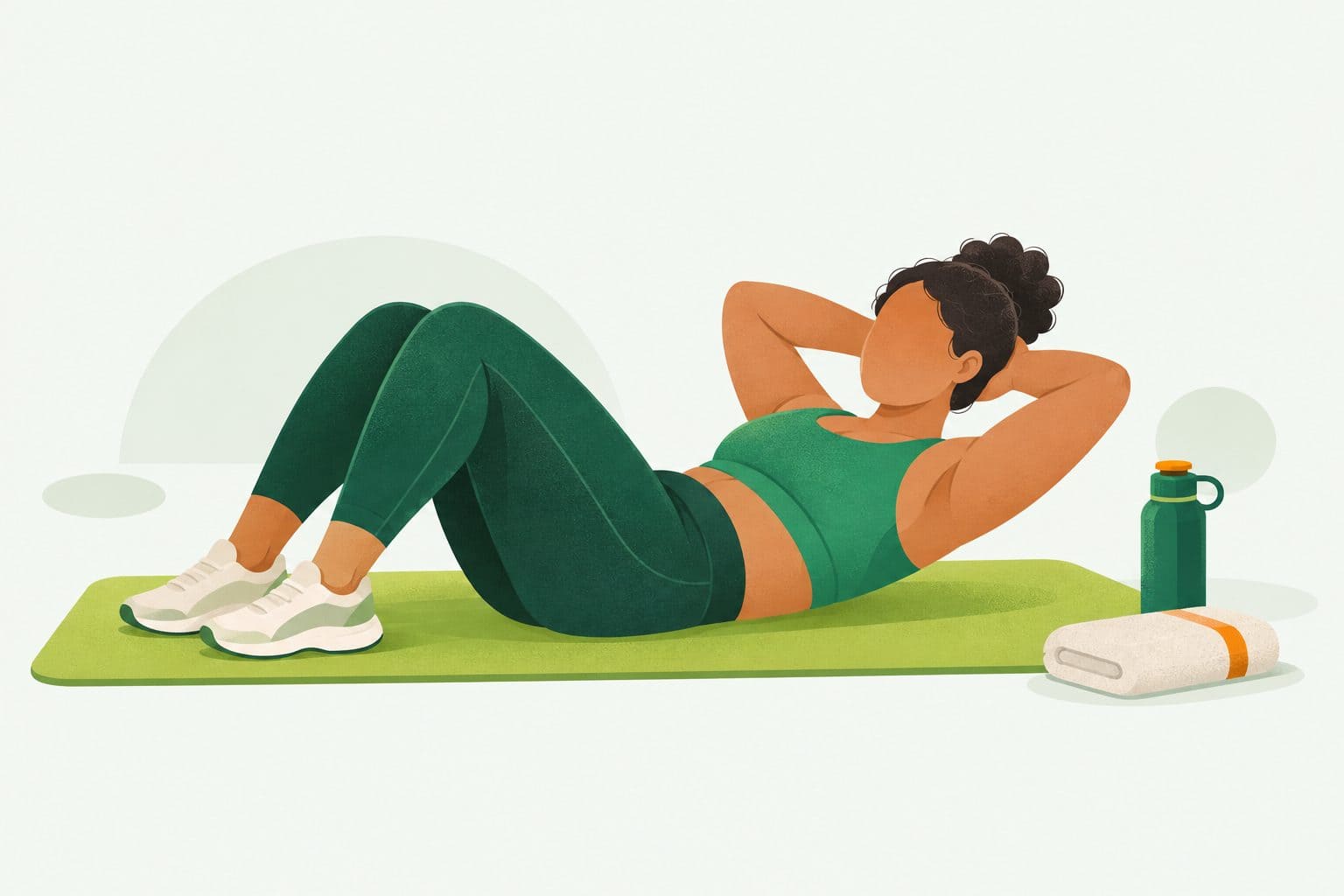
As mentioned previously, there is no spot reduction, and there is no exercise that can reduce your fat from one particular area. It’s just that each exercise targets your particular muscles.
Even though there are tons of exercises, focus on various body parts. but walking is so underrated when it comes to weight loss or losing belly fat fast. People don’t walk and spend hours at the gym thinking that it can help them in losing belly fat quicker. But daily walking, even for 30 minutes doesn’t only grow one healthy habit in your life but also helps you in looking slimmer and glowing better.
You have to keep moving, to lose belly fat because it will reduce circulating levels of insulin, otherwise it would get stuck hard on the belly, and eventually cause a fatty liver.
Eat more protein:
Protein is undoubtedly one of the most important nutrients for weight loss. Replacing your junk with healthy protein can help you in so many ways. It can reduce your craving by almost b 60% and will boost your metabolism. Eating more protein helps you in reducing abdominal fat a lot, particularly. A study shows that eating protein leads a woman to gain much less weight in the span of 5 years. Isn’t that great?
Eating more protein must be there in your diet when it comes to weight loss. It not only helps you in losing weight naturally but it also helps in not regaining weight simultaneously, once you reduce your physical activities. Consuming more fruits, vegetables, protein instead of carbs, and oils helps you lose more abdominal fat.
Research has shown that people often get 20%-30% of their total calorie intake just from protein. Therefore, when you are starting out. It’s more than enough to rely on protein. Natural sources of protein like dairy products, eggs, fish, legumes, nuts, and meat can help you a lot. But if you’re following a vegetarian diet. It’s not very easy for you to consume all the protein. So if needed you can also add some supplements, whey protein to have a balanced diet.
Replace your oil:
No matter how healthy you are eating, if you’re not cooking it healthily, it’s all in vain. You might not see changes in your belly fat effectively. You can replace your daily fat oil with coconut oil, and see significant changes in your body. Coconut oil helps you boost your metabolism and it doesn’t let you store fat. It leads to abdominal fat loss particularly.
It’s not just about coconut oil, but if you replace your regular cooking oil with mustard oil. You will be able to see changes in your body in spam for a few weeks. It has effects better than just cutting down your abdominal fat.
These were some quick ways to reduce belly fat. By these kinds of small changes, you can see great changes in your body.
Breathing is the most underrated thing while getting calm, and fighting anxiety, depression. Just being attentive to your breathing, and how to slowly and steadily take control over it can benefit you in numerous ways. It not only helps you in reducing stress but also getting peace of mind, and a better lung state.
If you will start meditating, the first and foremost thing they’ll teach you is to trek your breathing. It’s just that some breathing exercises show an immediate effect, relief. And some take time to show results. Doing Breathing exercises regularly can help you in the long run, and also help in developing a healthy routine for yourself.
Below, are some of the best breathing exercises for your respiratory system:
Pursed lip breathing:
Pursed lip breathing is considered one of the best breathing exercises for people. It’s a part of pulmonary rehabilitation.
Breathing exercises are specially made for people having a chronic disease, breathing problems like asthma. The disease ultimately weakens the lungs and makes it harder for a person to breathe.
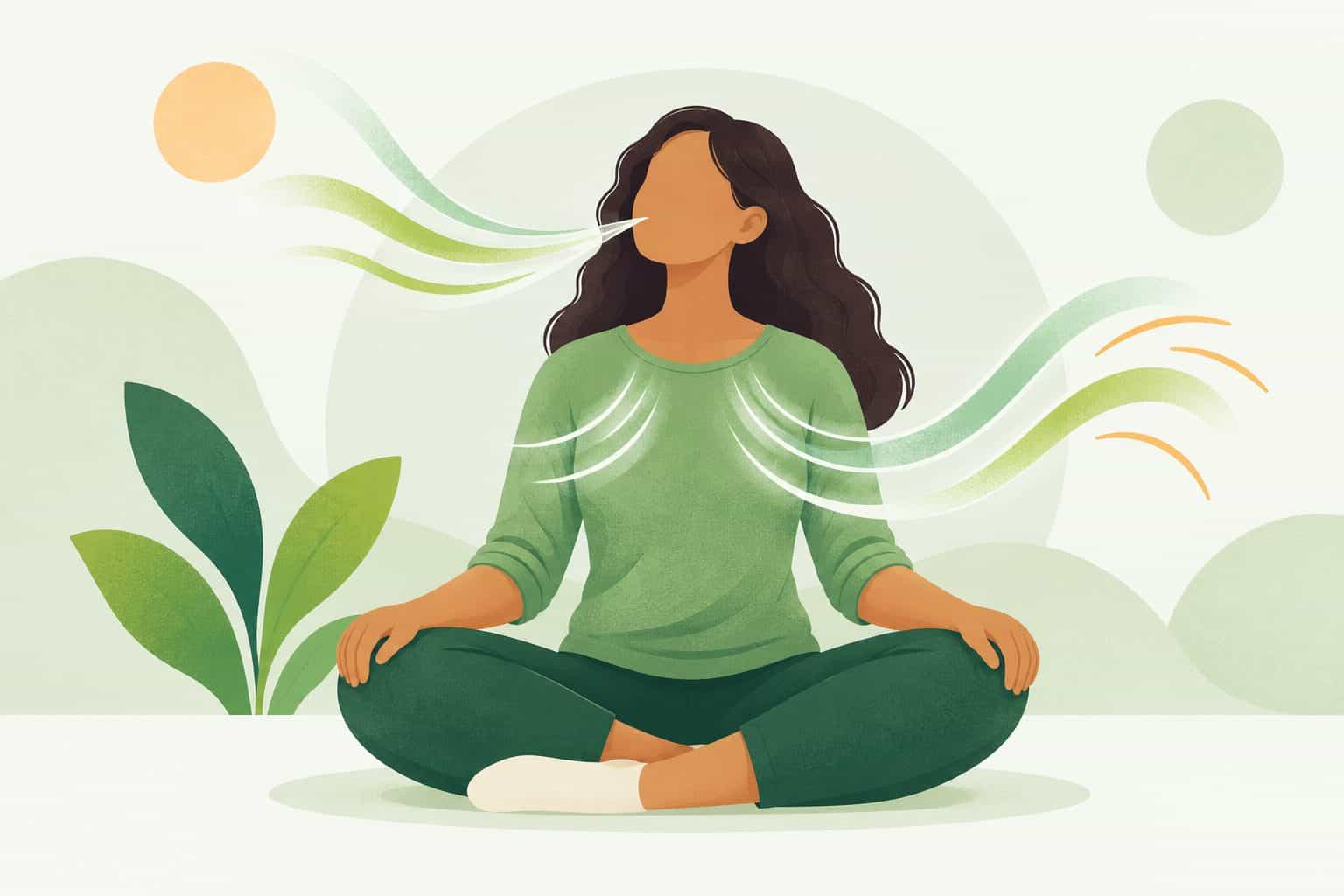
Staple air, consuming space in the lungs, makes it hard for diaphragms to work. Pursed lip breathing eases this process of the diaphragm to work properly. It helps in supplying more oxygen to the body. When you do pursed-lip breathing, it opens the lungs for longer than usual resulting in more oxygen in the body. You have to follow a few simple tips in pursed-lip breathing like breathing through the nose and breathing out through the mouth with pursed lips. Try to take longer pauses than usual when you take the breath out rather than taking the breath in.
Diaphragmatic breathing:
For any type of stress, anxiety, and lung infection, diaphragmatic breathing is best. It’s a part of pulmonary rehabilitation. Also known as belly breathing, diaphragmatic breathing helps in better functioning of the lungs.
As the name suggests, it is made for the diaphragm, and also Majorly uses the diaphragm while exercising but if there’s a slight issue in the proper working of the diaphragm. Then it will automatically use the other parts of the body like the back, chest, neck. It uses residual oxygen. While exercising, diaphragmatic breathing. One has to relax the neck, shoulders, to make the diaphragm work better. Studies have shown that being on diaphragmatic breathing exercises has helped people to feel the oxygen in their lungs fully.
To practice diaphragmatic breathing, A person has to put their hands over their belly, breathe till their belly rises, breathing must be done through the nose, and not the mouth. When you exhale, use your mouth, twice if needed.
Mindful breathing:
Mindful breathing, from the name itself, means it would one way or another contribute to calming your mind. Basically for reducing stress, anxiety, and whatnot. There isn’t any specific organ included or technique to follow mindful breathing, one just has to concentrate fully on their breath. Once you do that, about the rhythm of how your breathing process works, there is no going back. Because of the way you feel, the calmness it brings to your mind.
You must do mindful breathing in a calm ambiance, there must not be any distractions around you. Choose a habitual place instead, where you can feel yourself, and don’t feel any pressure to do something. Start with relaxing your mind completely and slowly but steadily focusing on your breathing. Even if you are observing thoughts, then you must let them flow throughout the exercise.
Breath focus technique:
This breathing exercise focuses on chanting particular phrases, words. You might have heard about the power of meditation if you’re not living under a rock right now. While deep breathing, your whole soul’s focus must be on those phrases. Any phrase that brings out happiness within you, or even makes you feel light weighted. Or it’s not compulsory to feel good about every phrase you think about, but still, you shouldn’t ever feel negative about any particular word, or phrase you’re thinking about. If not positive, it should be a neutral one.
Start breathing, at least for 5-10 minutes. Try to focus on the pattern of your breathing. Sometimes low, sometimes deep, and otherwise normal, static. When you do this, gradually you will see a difference in between them, of how your body reacts during both. If you don’t feel any changes in your abdomen while breathing. Then, try to touch your belly with your hand while taking deep breaths, and you will feel the difference for sure.
Try to chant the phrase you thought of, initially. Loud and clear. Try to do it multiple times. With each breath, you must think of inhaling positivity and exhaling toxicity.
Lion’s breathing:
Lion’s breathing, also known as simasana in Sanskrit. It’s a yogic breathing technique, where the whole focus is on the chest and face.
While doing so, you have to be in a comfortable position. You can either sit while crossing your legs or sit back on your heels.
Relax your hand, palm and spread your finger. Inhale with eyes opened. While inhaling, open your mouth wide, take out your tongue and move down toward your chin. focus on our throat muscles while exhaling. There must be a “ha” sound releasing. To do it in a much better way, try to focus on the area between the center of your eyebrows and above your nose. Practice this exercise 3-4 times.
Box breathing:
People often do box breathing to boost their concentration or to relieve stress. The ultimate goal of breathing exercises is to slow down breathing and focus more on the pattern of breathing. To get the best results, you should sit in a straight position. Sitting straight during box breathing makes you feel better.
You must fill the lungs with oxygen through your nose. Hold the breath, till the count of 4. When it does, breathe out slowly, and exhale completely. After waiting for a good 2 seconds of rest for you and your lungs. Breath again.
If you have been coughing a lot lately or have watery eyes, you probably have caught an allergy. Don’t be alarmed by it because dust allergies are pretty common in India. You can visit a doctor for it, of course, to consult and get rid of these allergies. But you must know that all a doctor will do is prescribe some medicines and ask you to stay away from dust. On the other hand, allergy-proofing your house, where you spend most of your time, is a far more effective solution. Dealing with the source of allergies is the smartest thing to do to remove all the allergens from your home!
Everyone who has allergies should try to keep their home as free of allergens as possible. Whether you’re allergic to dust, pollen, pets, mold, or any combination of these, getting started might be difficult. To a large extent, though, you may assist treat allergies by simply keeping your home clean and clear of dust and mold. Being aware of what causes allergies and keeping a clean, healthy home make it much easier to maintain control over the interior environment.
10 Ways To Allergy-Proof Your Home
There are several ways to protect your home from allergy-causing agents. Let us take a look at the most important ones:
1. Use Allergen-Proof Bedding.
Put allergen-blocking coverings on your mattress and pillows. Dust mites can’t take over your bed if you use these covers. Cover your box springs with vinyl. A waterproof mattress pad should be used to protect the vinyl mattress cover. Use zippered pillow covers to protect the vinyl covers on your pillows. If possible, you can also use a dehumidifier to keep the humidity between 30 and 50 percent.
2. Detoxify Your House.
According to some estimates, the air inside our homes is up to five times more contaminated than outdoors. As a result of global warming and increased carbon dioxide levels, mold growth is rising, which is a primary allergy trigger. Declutter and purify your home first before fighting allergens there. Get rid of stuff you don’t need and keep your home dust-free and tidy by cleaning it regularly. Instead of using a dry duster, use a damp cloth to wipe down surfaces. This can help reduce the amount of dust in the air, which can lead to increased allergies.
3. Get Rid Of Mold Inside The House.
Mold inside the house is a severe allergen. Toxic black mold thrives in the dark, moist areas or anywhere near a leakage of any kind. If you do not want molds or decay of any kind, ensure no leaks in the house at all! There can be times when you can miss the leakage hidden between tiles or behind heavy furniture. To avoid indoor mold growth, make sure your home is entirely watertight.
4. Update Your Vacuum Cleaner.
Maybe you are unaware, but your cleaning practices are inviting dust mites. Perhaps you have forgotten to check and clean your vacuum cleaner? As a result, your house may be home to severe allergies and have more dust than it did before. To avoid all of this, ensure that you clean and change all your vacuum cleaner filters whenever necessary. You can also opt for a vacuum cleaner with the HEPA filter or make use of vacuum bags designed particularly for allergens!
5. Avoid Overwatering Your Plants.
Plants in the home can help reduce pollutants in the air, but if they’re overwatered or kept in a dark place, they’ll serve as a breeding ground for mold. Don’t overwater your indoor plants, and give them some sunlight every two weeks.
6. Wash Bedding Regularly In Hot Water.
Make a point of washing all your bedding at least once a month and even more frequently if you have allergies. If you cannot wash in hot water, try drying your bedding in a hot dryer (at least 130 degrees) for 20 minutes before you can wash and dry it as usual.
7. Keep Pets Out Of Bedrooms.
We know that your pet is not an outsider and is more than a family member. However, it is best to set some boundaries if your pet carries any allergies. You can keep your pet restricted to particular areas in your house. Ensure to keep pets out of bedrooms. Keep your pets vaccinated and clean. Shower them regularly so that they do not spread any allergies or diseases as well.
8. Remove Shoes Outside The House.
When you get your shoes inside the house, you also get allergens from outdoors, such as leaf molds and pollen. To avoid this, remove your shoes outside the house before you walk in. Also, it is a good idea to invest in a better outdoor doormat so that you can rub off your feet before stepping inside.
9. Use Low-Maintenance Paints.
Cleaning and maintaining your home has never been easier, thanks to advances made by paint manufacturers. When painting your home, seek paints that are easy to clean.
10. Go Carpet-Free.
If you have every part of your house carpeted, it is best to replace them with hardwood floors, vinyl, or linoleum instead. If you cannot clean it regularly yourself, use a vacuum with a HEPA filter or microfilter bags. Using a steam cleaner on your carpets every few months will help keep dust mites at bay for up to eight weeks when combined with vacuuming.
Cleanliness is a crucial aspect of staying healthy. By keeping your house clean, you are also reducing the chances of any potential diseases and allergies. There are many products available in the market like Allergy-Proof paints, vacuum cleaners with some great technologies, etc., that can help you get rid of allergens to a great extent. So, protect yourself and your close ones from allergies by following all the above points, and you will surely see a change in your health!
Life is unpredictable and full of different types of moments. The only thing we can control is the music playing in the background as we experience those moments. We all lead very different lives, yet we have something very significant in us – emotions. Right from happiness to stress and anxiety, we all are familiar with these emotions. Music is the artistic way of feeling and expressing those emotions.
Why is music considered to be a powerful tool?
Music is created with various instruments like guitar, piano, drums, and so on. Yet, the melody is made with the feelings of the artist at that given moment. Music has the power to make the listener feel the same sense. The comfort that lies in realizing that millions of people out there are going through the same phases does wonders in changing the way you think. This is how powerfully emotional music is.
Onto the scientific part, our brain reacts to the melody of the music picked up by our ears. The neurochemicals in our brain are triggered when the vibrations of the beats and tone reach it. Music is as calculated and logical as it is emotional. The tone of a music piece is always created with uniform and patterned notes. Every chorus is constructed with carefully curated notes, and this resonates with the brain as it soaks in the music.
Emotions you can feel through music and how it can affect your way of thinking.
Sometimes our surrounding atmosphere tends to affect us more than the ongoing problems or happy events of life. This is why we can be satisfied in a social gathering with our friends or family despite any stress. Also, we may feel sad even after achieving something or hearing good news because of the strained environment. Let’s look at the wide range of feelings you can experience through music and how it changes us:-
Positive emotions:
These are the set of emotions that every human desires. Every action and effort taken by them is focused on achieving these feelings. The positive set includes happiness, relaxation, a cheerful attitude, hope, joy, and many more. They make you feel good and appreciate the life you have despite the ups and downs.
Music with upbeat or relaxing notes with suitable lyrics can have this influence on you. The brain responds automatically to the beats and interprets the lyrics. This ends up making you feel those positive emotions the music tended to convey. You will have a bright and optimistic mood in no time if you listen to the right music your heart and mind need.
Negative emotions:
Often humans need to feel negative emotions rather than just hoping to change their mood to happiness. Negative feelings include sadness, regret, anger, jealousy, etc. These are the unwanted set of feelings without realizing that you can not feel positive emotions without them. Accepting and processing those feelings can be a difficult task, and music helps us in this journey.
A wide range of lyrics accompanies sad compositions of music to make the perfect song for every single feeling. Artists depict their stories of hurt and bad instances which relate to their audience. Aggressive beats with the same level of anger in lyrics are composed to acknowledge emotions like frustration and anger. Ominous music keeps up the creeps we feel from disgusting or scary instances.
How to use this influence for positive transformation?
Knowing the effect music has on you is not enough. It is essential to understand how to use it to your advantage. If you are looking to change your approach to life with an optimistic attitude or want motivation to change your lifestyle and be more productive, you can achieve all of this with music. There are many ways to make this possible, and here are some steps of the process:-
Reflect on what you need:
We face several new and unforeseen circumstances throughout. In each of these moments, the emotional and mental coping solutions can be different. Sit down a moment and think about what your mind expects and needs the most right now. It can be an opportunity to feel anger, frustration, resentment, or pain by crying aloud or singing along with suitable music. Or it can be a chance to forget the past and move on happily with memories.
Curate your playlist carefully:
Once you have figured out your needs for positive transformation, you can listen to those pieces after careful selection. Choose relaxing melodies to make meditation and yoga fascinating. Get some light-hearted songs for a book reading session. Don’t forget to add the most upbeat tones for a great workout session. Note down the activities you want to start including in your schedule and use music to motivate yourself to complete them. There are many songs about self-motivation too. Listen to those to feel good about yourself!
Don’t stick to the same music:
Change of pace is a crucial need of human beings. If you are stuck in the same loop, you will only feel the emotions associated with the components of that loop. Break the cycle and keep updating the music pieces to see how your body reacts to them. Take suggestions and associate various memories to music pieces. Have fun with the autoplay mode and discover something new every day to stimulate your brain in the best way!
A transformation from a harmful lifestyle or phase can sound quite intimidating. But trying is the best pathway to succeeding. Give yourself time and seek out a therapist who works with music if you need guidance. Patience is undoubtedly the most important virtue to possess in a transformation journey. The study of music and its influence on the mind will never come to a halt due to its various aspects. It will only get better for every music enthusiast as time passes by.
Meditation means dissolving the invisible walls that unawareness has built.
Sadhguru
When was the last time you felt peace in your mind? In this increasingly chaotic world and life, our mind is lost to stress, competition, fears, heartbreaks, regrets, and many other not-so-happy feelings. All these emotions cause a hindrance to be in a rested, peaceful and harmonious state of mind. Without a relaxed and calm mind, we are often clouded with misjudgments and confusion. Once the waters are clear, we tend to see the larger picture. We begin to identify the meaning of our true self, our hidden talents, and our potential.
Our mind is our greatest asset and possession. One can snatch away everything from us except our mind. If we can control our minds, we can win the battle of life with utmost calmness and perseverance. So now, the question is- How do we control our minds? How can we feel more at peace and experience clarity in our thoughts? The answer is simple – MEDITATION.
Meditation has been a powerful tool for centuries. But in today’s world, meditation is often underestimated. Let us try to understand a few significant benefits of meditation and incorporate them into our routine.
10 Benefits Of Meditation
1. It helps you control your emotions.
Meditation assists you in regaining control of your emotions. A more relaxed state of mind results in decreased anxiety. As a result, the severity of mood swings and angry episodes is reduced. When your mind is calm and clear, it can make sense of emotions and logic well. This way, meditation can help your mind take control over emotions.
2. Helps in Reducing Stress.
One of the best benefits of meditation can be that it helps in reducing stress. The hormone responsible for stress, called cortisol, is brought down by meditation. When you are under stress, your heart rate and blood pressure tend to increase. This can be combated by meditating regularly. Regular meditation will reduce your tendency of stressing yourself out!
3. Improves your Immune System.
Studies show that meditation plays a significant role in improving your immune system. Those who meditate can fight infection in a better way than those who don’t. Why? Because meditation helps in increasing the antibodies in one’s body! This covers things like the flu and various diseases, among other things.
Specifically, according to a study conducted by the University of Wisconsin, frequent meditation not only helps in enhancing the body’s immune system but also has the potential to stimulate electrical activity in the brain.
4. Lowers Blood Pressure.
How does this happen? Research shows that people with high blood pressure stopped taking medication altogether when they started practicing meditation regularly. This is because meditation improves circulation and promotes relaxation. When this occurs, the blood arteries dilate, improving blood flow. This results in a reduction in blood pressure. Meditation promotes a very natural and effective treatment for a life-threatening health condition. Isn’t this wonderful?
5. Improves Sleeping Patterns.
A lot of people today underestimate the importance of having a proper sleep cycle. In this ever-increasing stressful world, many people tend to compromise on sleep. Many pieces of research on meditation and rest, including a significant study from Harvard University, have discovered that meditation can help people fall asleep and stay asleep at night by triggering a relaxation response in their bodies.
Meditation can also be beneficial for insomnia, as research has shown that those who meditated fell asleep twice as quickly compared to those who did not meditate at all!
6. Improves Concentration.
There are many times in life when we need to have a clear mind to reason. We need to have apt concentration levels, whether at work or home. No matter what task we do, our minds need to be present by a hundred percent. If we are always clouded by stress, fears, and other negative emotions, how will we concentrate on the task at hand? However, if meditation is a part of your routine regularly, you will see an evident change in your concentration levels. When we look back into the history of meditation, many great personalities like Buddha and Lord Mahavir meditated so deeply and sincerely that they never bothered what was happening in their surroundings. This ultimately let them achieve salvation!
7. Meditation Can Lower Your Chances Of Stroke And Heart Attack.
Preventing heart attacks and strokes requires more than just taking medicines, exercising, and changing your diet. As we have read above, meditation helps reduce anxiety and stress, because of which the chances of getting any heart-related disease significantly reduce. According to the most recent research, people who meditate have a lower risk of heart attack, stroke, and death within five years.
8. Meditation increases happiness.
Meditation is a mediator that connects you to your inner soul, which may not happen otherwise. We are constantly surrounded by many things such as work, family, school, and some never-ending issues. We are so involved in life’s daily roles and responsibilities that we often forget to connect with our souls. When we meditate and find inner peace, that is when we find real happiness.
9. Meditation helps in coping up with addiction.
Those who suffer from chronic addictions, substance misuse disorders, and alcoholism can notice significant improvements on their road to recovery if they practice daily meditation. Stress is one of the primary elements that leads them to succumb to their demons. Stress can be reduced by practicing meditation regularly. Those affected by the chain reaction may find it easier to have better control over their addiction concerns.
10. Meditation can give your brain a boost.
Not only does meditation do wonders with your physical health, but it may also provide a mental boost by actually aiding in improving your brain function. Regular meditation has proven to boost your ability to process information, according to research. One study found that it helped people perform better on the verbal reasoning section of the GRE. It can also assist with concentration and memory.
Conclusion
If you study this article closely, you will realise that all points zero into one single point. What is it? Reduce stress in your life. Once you can get rid of stress, everything else will fall into place. Saying goodbye to stress and anxiety is only possible when you meditate and take care of your mental health. Thus, no matter what, take out at least 20 minutes from your daily life, preferably in the morning, to meditate and keep yourself charged up for life.
While keeping up with loads and loads of healthy habits for a healthy life, we often forget to pay attention to the basics. And sometimes basics are the most important contribution to your goal. This certainly includes the habit of keeping yourself hydrated.
How hard is just drinking some water? Yes, it sounds that simple, but we all know how difficult it is to meet the desired water intake. And you may think this is the end, but it is not. There’s so much more to dehydration than just drinking water. Well, luckily, everything you need to know about this topic is right here!
Why is it important to keep yourself hydrated?
Before we dive into ways of keeping ourselves hydrated, let’s understand why it is crucial. Dehydration can cause several things in our body to go wrong. This includes temporary side effects as well as some long-term damage to our body and lifestyle. A hydrated body has the most efficient organ system along with a good digestive system. Along with that, they have a good and stable nutritional source for their cells, simultaneously dodging infections and other illnesses.
Not only does staying hydrated enhance bodily functions, but it also improves cognitive functions and lifestyle. You will notice your sleep cycle improving drastically if you maintain proper hydration habits. Dehydration can also cause an irritated or foul mood in your everyday life. So once your body receives the nourishing properties it needs, you will automatically feel livelier and happier. In short, hydration plays a significant part in a healthy and fit lifestyle.
Effective ways to stay hydrated
Searching and following various methods of staying hydrated can be very beneficial for you since you will be protected from dehydration without any room for weakness. Here are some of the best ways to keep your body hydrated throughout the day:-
Set water consumption goals:
We know you saw this one coming, but you cannot possibly keep yourself hydrated without this method. Health experts around the world advise the consumption of around 2-3 liters of water per day. Water helps flush toxins from your body by cleansing the kidney. To state it simply, water acts like a filter that gets rid of all the build-up dirt. This process helps to refresh your body and make you feel energetic.
Considering our busy schedules these days, we are often unable to meet our desired water consumption levels. If your issue is that you often forget to drink water, then it may be useful to set reminders on your phone or laptop. We are rarely away from our devices, and hence this is the perfect way to remember this. Buy yourself a new bottle you like to keep yourself motivated.
If drinking water bores you or you dislike drinking it so often, then you can try alternatives like:
You can add natural ingredients to your water. Cucumber water can energize you in seconds with a unique taste to it. You can try out various fruit additions as well until you find your favourite ones. Other drinks can also hydrate you, but it might do more harm than benefit if it consists mainly of sugar or caffeine.
Smoothies – You can make a smoothie out of anything, from nutritious vegetable smoothies to yummy fruit smoothies.
Soups – A hot bowl of soup can make your day as well as your body’s day. Don’t forget to grab the opportunity and add lots of veggies to it. You can add chicken for some protein as well.
Lemonade – Nothing can re-energize you like a glass of lemonade can. For best benefits, try using a natural sweetener in place of sugar.
Milk – milk has excellent hydrating properties; some sources say even better than water! So don’t hesitate to add a glass of milk to your diet plan.
Keep up with the weather:
You have to work your way around the weather to lead a fun and fit lifestyle. If you are prone to dehydration, then always keep a keen eye on the weather news. Don’t step out of the house unless you need to if the temperature is high. If it is unavoidable, then try and dodge the hours where the sun’s rays are strong. Always remember to carry a bottle of cold water with you. You have to compensate with your body by consuming liquids after sweating a lot or working out.
Another important factor is to dress yourself according to the weather. Dark clothes, thick material, or layered clothing options can be harmful to you in hot weather. They cause sweating, which can lead to rapid dehydration. Wear light tones and flowy designs when you step out. Add a hat, cap, or scarf to the outfit if you feel the need to. And don’t forget to walk in the shade!
Adjust your diet
Just because liquids contribute the major share in the work doesn’t mean solid foods don’t help. Several vegetables like cucumbers, broccoli, celery, tomatoes, spinach, etc. have high water content. Fruits such as strawberries, watermelon, grapefruit, etc. mainly consist of water and can be very useful for hydrating yourself. Try to add at least one water-rich food source to your daily diet.
Pay attention
Dehydration can cause severe weakness and can lead to the individual having sunstrokes too. Pay attention and look out for symptoms that may indicate that you are dehydrated. If you experience dehydration often, then always carry ORS packs or something sweet with you. Common signs of dehydration include skin rashes or irritation, headaches, fainting/feeling dizzy, and as on.
Consistency makes everything easier over time. If you work on yourself and adapt to these habits, you won’t have to worry about dehydration anytime soon. Don’t make a schedule or a diet that would be impossible to follow. Be true and honest to yourself while designing the timetable. Slow changes will gradually become a part of daily life, and you stop feeling that following these tips are a task. Keep hustling, and don’t forget to hydrate yourself!
After a day’s walk, everything has twice its usual value.
George Macauley Trevelyan
While you thought walking was only a way to disconnect from the world while also burning a few extra calories, you would be pleased to know that the benefits of walking are not just limited to that. The advantages of walking are many, and hence, walking must be incorporated into everyone’s routine. Also, the beauty of walking is that you can tweak it according to your wish and capacity.
Walking can be a challenging workout or a stroll, depending on your attitude and fitness level. Perhaps even better? It does not necessitate the acquisition of new abilities.
Let us take a look at some of the most crucial and interesting benefits of walking.
Benefits Of Walking
1. Improves Posture.
If you want to tone your abs and slim your waistline, you must pay attention to your postures while you walk. Straighten your spine so that there is ample space between your shoulders and ears. Keep your shoulders relaxed and draw your stomach and pelvic floor in. By fastly swinging your hands back and forth as you walk, you not only increase your speed but also tone your shoulders, arms, and upper back!
2. Reduces The Risk Of Developing Breast Cancer.
Walking also lowers the likelihood of acquiring breast cancer. However, according to research conducted by the American Cancer Society that focused only on walking, those women who walked seven or more hours per week had a 14 percent lower risk of breast cancer than those who walked three or fewer hours per week. Walks were found to give this protection even for women who had breast cancer risk factors, such as being overweight or using supplementary hormones.
3. Eases Joint Pain
Walking regularly can also help you get rid of arthritis-related pain, according to one study. What’s even better is that walking five to six miles each week can even prevent arthritis from occurring in the first place. Because it lubricates the joints and helps to strengthen the muscles that support them, walking is particularly beneficial for osteoarthritis-prone joints such as the knees and hips.
4. Boosts Immunity.
Exercise, particularly walking, can assist in lubricating the joints and help in strengthening the muscles that support them. Walking is particularly beneficial for osteoarthritis-prone joints such as the knees and hips. Regular walks can keep you healthy during the cold and influenza season. Research shows that walking at least 20 minutes a day, five days a week, has 43% fewer chances of people falling sick when compared to walking once a week or lesser. Even if people fall sick, it will become easy to recover, and they won’t have severe symptoms.
5. Helps You Lose Weight.
Losing weight is one major problem that almost all of us face. Haven’t we all heard from people around us to walk if we want to lose weight? Turns out all those people were right! Losing weight requires you to burn 600 calories more than the calories that you consume.
By walking regularly and increasing your speed with time, you can definitely burn off those extra calories while increasing your muscle mass and tone.
6. Enhances Creativity
There are times in life when we’re stuck at one point and just can’t think further. A creative block, perhaps? The best way to get those creative juices flowing is by blocking all the worries and going for a block. You could also make use of some good music. Music will help your brain relax and enhance your creative skills!
7. Helps In Fighting Diseases.
You may be wondering how a walk can potentially help in fighting diseases. Research suggests that those who have a regular exercise or walking routine have a 60% lesser risk of developing diabetes! Also, if you are actively involved in exercising or some form of physical activity, you have a 20% lower chance of getting colon cancer, breast cancer, or womb cancer! While this may sound a little unbelievable, it’s true.
8. Boosts Energy Levels.
We get the most natural energy from taking a quick stroll. It improves circulation and oxygen delivery to all cells, making you feel more energized and lively. Walking regularly should improve your sleep quality. It also works to loosen up tense muscles and joints. Walking can help break the pattern of feeling sluggish, which we’ve all experienced from time to time.
9. Helps To Keep Your Sweet Cravings At Bay.
According to a pair of researchers from the University of Exeter, a 15-minute walk can lower chocolate cravings and even the amount of chocolate you consume when stressed. Walking has been shown in recent studies to lower sweet snack desires and intake.
10. Promotes Better Sleep.
If you’re someone facing sleep issues, you must include walking as a part of your exercise routine. A one-hour morning walk can relieve you from insomnia! According to scientists, a specific level of physical activity per day can help you sleep better at night. While walking for exercise improves your general health and well-being, it can also enhance your sleep quality if you do it correctly and for the appropriate amount of time.
Walking has many benefits, as we all would know now! Just knowing the benefits isn’t enough. We all have to inculcate walking in our routine. Many of us complain of not having time to go for a walk regularly. However, it is just mind over matter! Once you decide to start walking, nothing and nobody can stop you even if it is just for 20 minutes!
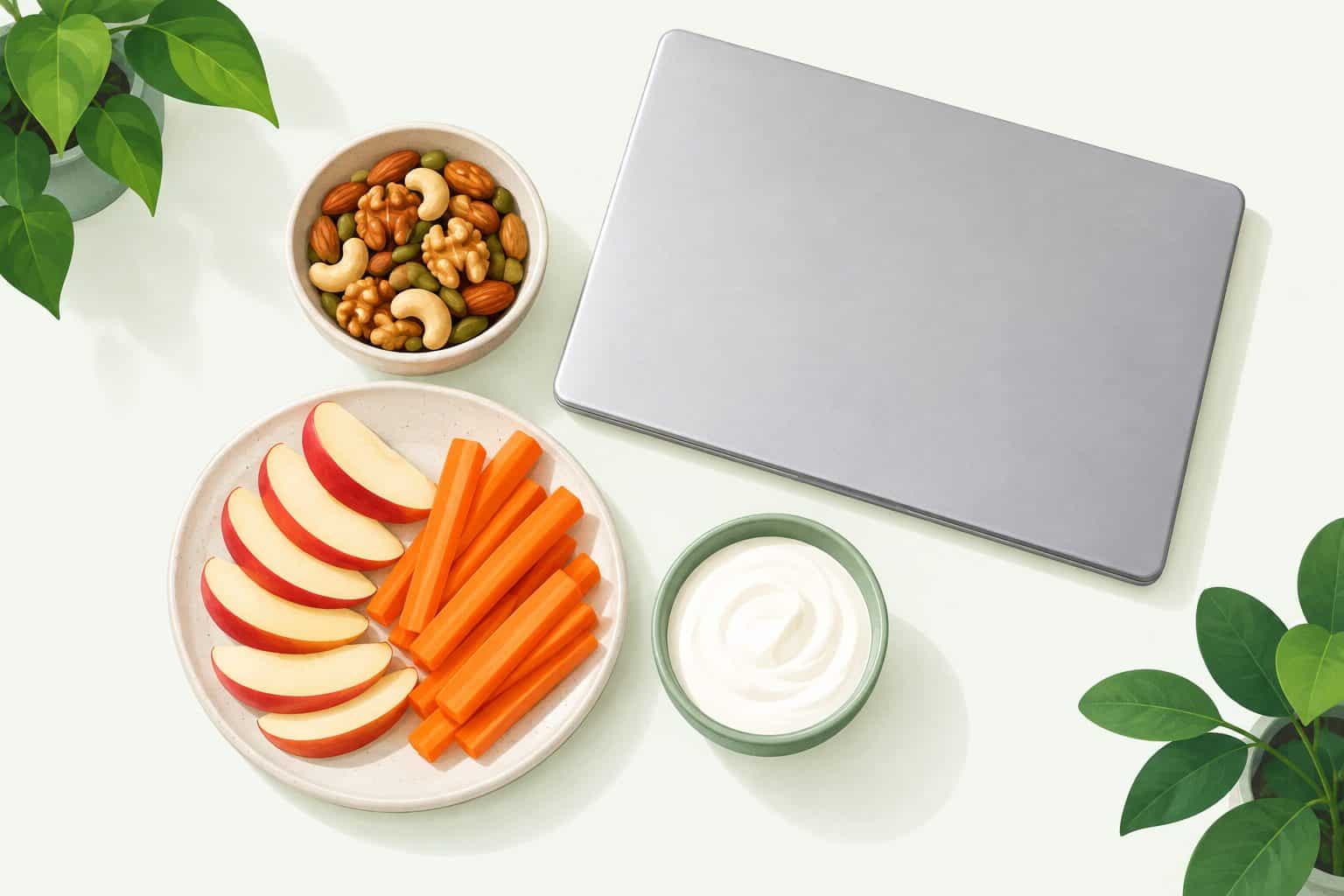
Snacking has a bad reputation — but the problem isn’t snacking itself. The problem is what most people reach for when hunger strikes between meals: biscuits, chips, sugary drinks, and processed foods that spike blood sugar, trigger cravings, and quietly add hundreds of calories to the day.
Smart snacking is actually one of the most powerful tools in a weight loss plan. Done correctly, snacks prevent the intense hunger that leads to overeating at mealtimes, stabilise blood sugar levels, maintain energy throughout the day, and ensure your body gets nutrients it might otherwise miss.
The key is choosing snacks that are high in protein, fibre, or healthy fats — the three nutrients that genuinely satisfy hunger rather than just temporarily silencing it. This guide covers 10 of the best snacks for weight loss, with calorie counts, portion guidance, preparation tips, and the science behind why each one works.
What Makes a Snack Good for Weight Loss?
Before diving into the list, it’s worth understanding what separates a weight-loss-friendly snack from one that sabotages your goals.
High satiety per calorie — the best snacks make you feel full without delivering excessive calories. Protein and fibre are the primary drivers of satiety. Fat helps too, but is calorie-dense so portion control matters.
Low glycaemic impact — snacks that cause rapid blood sugar spikes (most processed foods, sweets, white bread) are followed by crashes that trigger more hunger. Low-GI snacks keep blood sugar stable, reducing cravings.
Nutrient density — snacks that deliver vitamins, minerals, and other beneficial compounds alongside their calories are always preferable to empty-calorie options.
Practical and accessible — the best snack is the one you’ll actually eat. If preparation is complicated or ingredients are hard to find, the snack won’t become a habit.
10 Best Healthy Snacks for Weight Loss
1. Greek Yogurt with Berries
Calories: ~150–180 per serving | Protein: 15–17g | Fibre: 2–3g
Greek yogurt is one of the most powerful weight-loss snacks available. Unlike regular yogurt, Greek yogurt is strained to remove excess whey, resulting in a product that is roughly twice as high in protein. This protein content is what makes it so effective — protein is the most satiating macronutrient, and eating enough of it is consistently associated with reduced total calorie intake throughout the day.
Greek yogurt also contains conjugated linoleic acid (CLA), a naturally occurring compound linked to reduced body fat and improved metabolic health.
Adding a small handful of berries (blueberries, strawberries, or raspberries) provides natural sweetness, antioxidants, and additional fibre — all without significantly increasing the calorie count.
How to eat it: Choose plain, full-fat or low-fat Greek yogurt (avoid flavoured varieties which are often high in added sugar). Add a small handful of fresh or frozen berries. A sprinkle of chia seeds adds additional fibre and omega-3 fatty acids.
Chickpeas — known as chana in India — are a nutritional powerhouse for weight management. They combine protein and fibre in a single food, delivering a sustained feeling of fullness that most snacks can’t match. The fibre in chickpeas also slows the absorption of sugar into the bloodstream, preventing the blood sugar spikes and crashes that drive between-meal hunger.
Roasted chickpeas are the superior snack form: they’re crunchy, portable, infinitely customisable with spices, and satisfying in a way that processed chips simply aren’t. They can be prepared in large batches and stored for the week.
How to prepare: Drain and rinse canned chickpeas. Dry them thoroughly with a cloth. Toss with a small amount of oil, salt, cumin, chaat masala, or any spices you enjoy. Roast at 200°C for 30–40 minutes until crispy, shaking the pan halfway through.
Portion: 30g (approximately a small handful)
3. Hard-Boiled Eggs
Calories: ~70 per egg | Protein: 6g | Fat: 5g
Eggs are one of the most complete and satisfying foods available. A single hard-boiled egg delivers 6g of high-quality protein along with vitamin B12, vitamin D, selenium, and choline — a nutrient important for brain health that many people are deficient in.
Studies consistently show that eating eggs at snack time (or breakfast) significantly reduces calorie intake at subsequent meals. The protein and fat combination keeps hunger at bay for 2–3 hours, making eggs particularly useful as a mid-morning snack before lunch or a late afternoon snack before dinner.
If you are watching cholesterol, the egg white alone contains just 17 calories and 3.5g of protein — you can eat two or three egg whites for a high-protein, very low-calorie snack.
How to eat it: Boil a batch of eggs at the start of the week (they keep refrigerated for up to 5 days). Season with a pinch of salt, black pepper, or chaat masala. Pair with a few cucumber slices for additional fibre and volume.
Fox nuts — makhana in Hindi — are the seeds of the lotus plant and have been used in Indian cooking and Ayurvedic medicine for centuries. They are remarkably well-suited to weight loss: very low in fat and sodium, moderately high in protein and complex carbohydrates, and genuinely satisfying to eat.
A 30g portion of roasted makhana delivers around 90 calories — roughly half the calories of the same weight in potato chips — while providing more protein, more fibre, and virtually no unhealthy fat. They are also gluten-free, making them suitable for those with gluten sensitivity.
Makhana’s light, airy texture makes them feel more voluminous than they are, which helps with the psychological feeling of having “eaten enough.”
How to prepare: Dry roast makhana in a pan over low-medium heat for 10 minutes, stirring constantly until they are crispy and lightly golden. Season with rock salt, black pepper, turmeric, or cumin. Store in an airtight container for up to a week.
Portion: 30g (approximately 1 cup of roasted makhana)
Coconut has an interesting relationship with weight management. Despite being high in fat, the fat in coconut is predominantly medium-chain triglycerides (MCTs) — a type of fat that is metabolised differently from the long-chain fats found in most foods. MCTs are sent directly to the liver where they are used for energy rather than stored as body fat, and they have been shown to increase satiety hormones and reduce overall calorie intake.
Fresh coconut also provides a satisfying chewiness that slows eating, and its natural sweetness can help curb sugar cravings without reaching for processed sweets.
How to eat it: Fresh coconut pieces are the most nutritious form. Unsweetened coconut chips (available at most health food stores) are a convenient alternative. Avoid sweetened coconut products which negate the weight-loss benefits.
Portion: 30g fresh coconut or unsweetened coconut chips
6. Chia Pudding
Calories: ~150 per serving | Protein: 5g | Fibre: 10g | Omega-3s: High
Chia seeds are one of the most fibre-dense foods on the planet — a single tablespoon contains nearly 4g of fibre, which is more than most snacks. When soaked in liquid, chia seeds absorb up to 10 times their weight in water and form a thick gel. This gel expands in the stomach, promoting an exceptionally strong and prolonged feeling of fullness.
Chia pudding prepared the night before is one of the most convenient weight-loss snacks available — it requires no morning preparation and can be flavoured endlessly with different fruits, spices, and toppings.
How to prepare: Mix 2 tablespoons of chia seeds with 150ml of unsweetened almond milk, coconut milk, or regular low-fat milk. Add a small amount of vanilla extract or a pinch of cardamom. Stir well, refrigerate overnight. Top in the morning with fresh fruit or a drizzle of honey.
Portion: 2 tablespoons chia seeds + 150ml milk
7. A Handful of Mixed Nuts and Dark Chocolate
Calories: ~180 per serving | Protein: 4–5g | Healthy fats: High
Nuts are energy-dense — meaning they contain a significant number of calories in a small volume — but they are also remarkably satisfying. Studies consistently show that people who snack on nuts do not compensate by eating more at subsequent meals, and long-term nut consumption is actually associated with lower body weight, not higher.
The key is portion control. A small handful (approximately 20–25g) of almonds, walnuts, or cashews provides healthy fats, protein, fibre, and a range of vitamins and minerals. Paired with 2–3 squares of dark chocolate (70%+ cocoa), you get a snack that satisfies both hunger and sweet cravings simultaneously.
Dark chocolate’s role in weight management is often overlooked. It contains compounds that reduce cravings for sweet, salty, and fatty foods — effectively acting as an appetite regulator when consumed in small amounts.
How to eat it: Pre-portion nuts into small containers or ziplock bags at the start of the week to avoid unconscious overeating. Choose dark chocolate with at least 70% cocoa content.
Portion: 20–25g nuts + 2 squares dark chocolate
8. Oatmeal with Cinnamon
Calories: ~150 per serving | Protein: 5g | Fibre: 4g
Oats are one of the most filling grain-based foods available, largely due to their content of beta-glucan — a soluble fibre that forms a thick gel in the digestive tract, slows digestion, and prolongs satiety. Studies have repeatedly shown that people who eat oats as a snack consume fewer calories at their next meal compared to those who eat other carbohydrate-based snacks.
Oats also have a low glycaemic index, meaning they produce a gradual, sustained rise in blood sugar rather than a rapid spike — preventing the energy crash and subsequent hunger that follows high-GI snacks.
Adding cinnamon is more than just flavouring. Cinnamon has been shown to improve insulin sensitivity, which helps the body manage blood sugar more effectively — a significant benefit for weight management and metabolic health.
How to prepare: Use rolled oats (not instant or flavoured varieties). Prepare with water or low-fat milk. Add a generous pinch of cinnamon, a few drops of vanilla extract, and top with a small amount of fresh fruit. Avoid adding sugar.
Portion: 40g dry oats (makes approximately 150–180g cooked)
9. Fruit Salad with Chia Seeds
Calories: ~100–130 per serving | Fibre: 5–7g | Vitamins: High
A bowl of mixed fresh fruit is one of the most nutrient-dense, low-calorie snacks available. Despite being sweet, whole fruits have a low-to-moderate glycaemic index because their fibre content slows sugar absorption. This makes fruit a fundamentally different food from fruit juice or sugary sweets, despite containing the same type of sugar.
The best fruits for weight loss are those highest in fibre and water content: apples, pears, berries, guava, papaya, and citrus fruits. These provide maximum volume and satiety for minimum calories.
Adding a tablespoon of chia seeds to your fruit salad dramatically increases its fibre and protein content, making it significantly more filling without meaningfully increasing calories.
How to prepare: Combine 2–3 seasonal fruits, cut into bite-sized pieces. Sprinkle with 1 tablespoon chia seeds, a squeeze of lime juice, and optionally a pinch of black salt or chaat masala for an Indian twist.
Prunes are an underrated weight-loss snack. Research has shown that eating prunes as part of a calorie-controlled diet leads to greater weight loss and reduction in waist circumference compared to other snacks — likely due to their fibre content, their effect on gut bacteria, and the fact that their intense flavour makes a small portion feel satisfying.
Prunes also support digestive regularity, which is closely linked to healthy weight management. A well-functioning digestive system absorbs nutrients efficiently and eliminates waste effectively.
How to eat it: Eat 5–6 prunes as a standalone snack, or chop and add to oatmeal or yogurt for additional sweetness and fibre.
Portion: 5–6 prunes (approximately 40–50g)
Quick Reference: Snack Comparison Table
Snack
Calories
Protein
Fibre
Best For
Greek Yogurt + Berries
150–180
15–17g
3g
High protein, post-workout
Roasted Chickpeas
120
6g
5g
Crunchy cravings, portable
Hard-Boiled Eggs
70–140
6–12g
0g
Quick protein, no prep
Fox Nuts (Makhana)
90
3.5g
1g
Light snacking, Indian flavours
Fresh Coconut
100
1g
2.5g
Sweet cravings, MCT benefits
Chia Pudding
150
5g
10g
Maximum fullness, prep ahead
Nuts + Dark Chocolate
180
5g
3g
Satisfying sweet + savoury
Oatmeal
150
5g
4g
Sustained energy, filling
Fruit Salad + Chia
130
3g
6g
Refreshing, nutrient-dense
Prunes
100
1g
3g
Digestive health, sweet fix
Smart Snacking Tips for Weight Loss
Time your snacks well. The most effective snack windows are mid-morning (10–11am) and mid-afternoon (3–4pm) — the natural hunger dips between meals. Snacking outside these windows when you’re not genuinely hungry is one of the most common causes of excess calorie consumption.
Portion before you eat. Never eat directly from a large packet or container. Measure or count your portion and put it in a bowl before you start eating. This prevents unconscious overconsumption — a problem even with healthy snacks.
Eat mindfully. Put down your phone, step away from your screen, and actually taste your snack. Distracted eating consistently leads to eating more and feeling less satisfied.
Prioritise protein and fibre. When in doubt, choose snacks that combine at least one of these. Protein + fibre is the most powerful satiety combination available.
Stay hydrated. Thirst is frequently mistaken for hunger. Before reaching for a snack, drink a glass of water and wait 10 minutes. If you’re still hungry, eat. If not, you were thirsty.
Q: How many snacks should I eat per day when trying to lose weight? For most people, 1–2 snacks per day is optimal — typically one mid-morning and one mid-afternoon. The goal is to prevent extreme hunger between meals without adding unnecessary calories. If you’re eating 3 balanced meals, you may find you only need one snack per day.
Q: Is snacking bad for weight loss? No — strategic snacking actively supports weight loss by preventing the intense hunger that leads to overeating at mealtimes. The problem is not snacking itself but choosing high-calorie, low-nutrient foods. Replacing chips and biscuits with the snacks in this list can meaningfully reduce daily calorie intake while improving nutrition.
Q: What’s the best snack to eat before a workout? Greek yogurt, a banana with a small amount of nut butter, or oatmeal are excellent pre-workout snacks. They provide the carbohydrates needed for energy and enough protein to protect muscle. Eat 30–60 minutes before exercise.
Q: What’s the best snack to eat at night without gaining weight? If you need a late-night snack, choose something high in protein and low in carbohydrates — such as a small portion of Greek yogurt, a hard-boiled egg, or a small handful of nuts. Avoid high-carb or high-sugar snacks at night as they are more likely to be stored as fat when the body is winding down.
Q: Are fruits good for weight loss or too high in sugar? Whole fruits are excellent for weight loss. The fibre in whole fruit significantly slows sugar absorption, preventing blood sugar spikes. This is fundamentally different from fruit juice, which removes the fibre and causes rapid sugar spikes. Stick to whole fruits and you’ll benefit from their nutrients without the weight-gain effects of refined sugar.
Q: How do I stop craving junk food between meals? The most effective strategies are: eating adequate protein at each meal, staying well-hydrated, getting sufficient sleep (poor sleep dramatically increases junk food cravings), and keeping healthy snacks visible and accessible while keeping junk food out of the house. See our guide on how to set healthy fitness and diet goals for more on building sustainable habits.
Q: Can I eat makhana every day? Yes — roasted makhana is an excellent daily snack. It’s low in fat, moderately high in protein, and contains antioxidants and minerals including magnesium and potassium. The main consideration is to keep portions to around 30g per serving (about 1 cup), as eating large quantities adds up in calories.
Final Thoughts
Weight loss through smart snacking is less about willpower and more about strategy. When you have the right foods readily available, making good choices becomes the path of least resistance.
Start by replacing one processed snack per day with something from this list. Within a few weeks, better snacking habits will feel natural, your energy levels will stabilise, and your overall calorie intake will decrease without the feeling of deprivation.
One of the most common questions from people starting yoga is: “How long before I actually see results?”
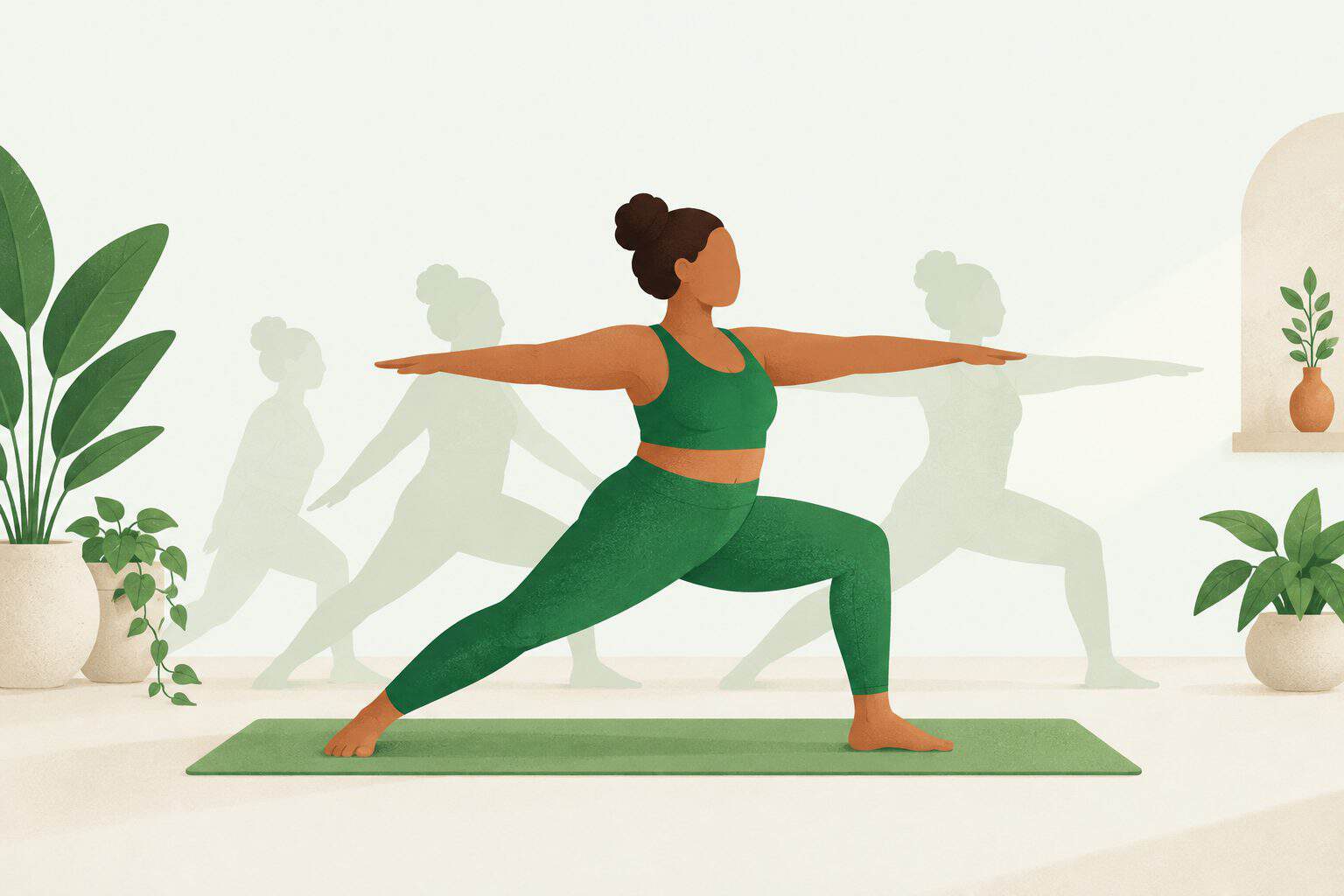
It’s a completely reasonable question. You’re investing time, energy, and possibly money — you want to know when the practice will start paying off. The honest answer is that yoga begins changing your body from the very first session, but the changes you can visibly see or clearly feel come in distinct waves over 30, 60, and 90 days.
This guide gives you a realistic, week-by-week and month-by-month breakdown of what to expect — physically, mentally, and emotionally — when you commit to a consistent yoga practice.
What Factors Determine How Fast Yoga Changes Your Body?
Before diving into timelines, it’s worth understanding that results vary significantly based on several factors:
Frequency of practice — The single biggest variable. Practising 4–5 times per week produces dramatically faster results than once a week. Daily practice accelerates changes further still.
Style of yoga — Dynamic styles like Vinyasa and Ashtanga build strength and burn more calories. Yin and Hatha improve flexibility and reduce stress faster. Your choice of style determines which changes you see first.
Starting point — Someone who is very stiff and sedentary will notice flexibility gains quickly. Someone who is already active may not feel as dramatic a change in the early weeks.
Consistency over time — Yoga rewards long-term, consistent practice more than any other factor. Two months of daily 20-minute sessions will produce more visible change than sporadic 90-minute sessions.
Diet and lifestyle — Yoga accelerates weight loss and muscle tone when combined with good nutrition. It improves sleep more dramatically when screen time before bed is reduced.
With these variables in mind, here’s a realistic timeline of what most practitioners experience.
Week 1–2: What Changes Immediately
Most people are surprised by how quickly they notice the first changes — not in the mirror, but in how they feel.
Better sleep from night one. Even a single yoga session, particularly one that includes breathing exercises and Savasana, activates the parasympathetic nervous system — the body’s “rest and digest” mode. Most beginners report sleeping noticeably better after their very first class.
Reduced muscle tension. The shoulders, neck, and lower back — areas that carry most of the tension from desk work — begin releasing within the first few sessions. You may notice your shoulders sitting lower and further from your ears.
Improved body awareness. Yoga requires you to pay close attention to how your body is positioned and how it feels. Within the first week, most people begin noticing their posture throughout the day — catching themselves slouching and correcting it.
Mild muscle soreness. Your body is being asked to move in unfamiliar ways. Some muscle soreness after the first few sessions is completely normal and is actually a sign that the practice is working on muscle groups that haven’t been activated in a long time.
Mental calm after each session. The stress-reduction effect of yoga is almost immediate. Most people feel measurably calmer and more centred within minutes of finishing a session — an effect that lingers for several hours.
Weeks 3–4: The First Month
By the end of the first month — assuming you are practising at least 3 times per week — the changes become more tangible and consistent.
Noticeably improved flexibility. The hamstrings, hips, and lower back begin to loosen. Poses that felt impossible in week one are now accessible. You may be able to touch your toes for the first time in years, or bring your head closer to your knee in a seated forward fold.
Posture correction becoming automatic. Your body starts to hold good posture naturally, not just when you consciously think about it. Colleagues or family members may comment that you’re “standing differently.”
Reduced lower back pain. For desk workers, this is often the most dramatic early change. The combination of hip flexor lengthening, core activation, and spinal decompression from yoga poses can significantly reduce chronic lower back pain within 3–4 weeks of consistent practice.
Beginning of strength gains. Poses like Plank, Warrior, Downward Dog, and Chair Pose are quietly building strength in the arms, shoulders, core, and legs. You won’t see visible muscle definition yet, but you’ll notice that poses which were difficult are becoming easier.
Stress levels measurably lower. After a month of regular practice, the cumulative effect on the nervous system becomes clear. Anxiety feels more manageable, reactions to stressful situations are calmer, and the general background level of tension in the body decreases.
Weight: minimal change. It’s important to set realistic expectations here. One month of yoga alone is unlikely to produce significant weight loss, particularly with gentler styles. More intense styles (hot yoga, Power Yoga, Ashtanga) will burn more calories and may produce early weight changes.
Month 2: The Transformation Deepens
The second month is where many practitioners describe a qualitative shift — yoga stops feeling like something they do and starts feeling like part of who they are.
Visible muscle tone. By the 6–8 week mark, particularly with dynamic yoga styles, you’ll begin to see visible changes in muscle tone — especially in the arms, shoulders, core, and legs. The body is becoming leaner and more defined.
Significant flexibility gains. Poses that seemed out of reach in month one are now achievable. The hips open more, the hamstrings lengthen, and the spine becomes more supple. For those who began very stiff, the change can be dramatic.
Weight loss begins in earnest. Combined with dietary awareness, month two typically sees more significant weight changes — especially if you’ve been practising dynamic styles regularly. The metabolic effects of regular yoga (improved thyroid function, better cortisol regulation, reduced stress-eating) begin to compound.
Breathing capacity improves. The pranayama (breathwork) component of yoga expands lung capacity and improves respiratory efficiency. Many people notice they can breathe more deeply and feel less breathless during physical activity.
Mental clarity and focus sharpen. The mindfulness component of regular yoga practice begins producing cognitive benefits — improved concentration, better decision-making, reduced mental chatter. This is particularly valuable for desk workers managing information-heavy roles.
Sleep quality transforms. By month two, sleep improvements are consistent and pronounced. Most regular practitioners report falling asleep faster, sleeping more deeply, and waking more refreshed.
Month 3: Established Results
Three months of consistent yoga practice — particularly at 4–5 sessions per week — produces changes that are visible to others, measurable in your performance, and deeply felt in your daily life.
Visible physical transformation. Your body composition has shifted. Muscle tone is visible, posture is excellent, flexibility is substantially improved, and for many people, there is meaningful weight loss. The cumulative effect of hundreds of hours of mindful movement is undeniable.
Yoga feels natural, not effortful. Poses that required concentration and effort in month one now feel like second nature. You’ve developed body memory — the ability to move into poses automatically, with attention freed up for breath and sensation.
Chronic pain significantly reduced or eliminated. For people who began yoga specifically to address back pain, hip tightness, or neck tension, month three often marks the point where the pain is either dramatically reduced or completely gone — not just during yoga, but throughout the day.
Emotional regulation improves. Consistent yoga practice literally changes the nervous system — reducing baseline cortisol, increasing GABA (a calming neurotransmitter), and building resilience to stress. By month three, many practitioners report that the things that used to stress them significantly feel more manageable.
Body weight stabilises at a healthier level. Combined with improved dietary choices that often accompany a yoga practice, most practitioners reach a natural, healthier body weight plateau by month three.
Timeline Summary at a Glance
Timeframe
Physical Changes
Mental/Emotional Changes
Week 1
Reduced muscle tension, mild soreness
Better sleep, immediate post-practice calm
Week 2–4
Improved flexibility, posture awareness
Lower stress, improved mood
Month 2
Visible muscle tone, weight loss begins
Sharper focus, consistent sleep improvement
Month 3
Significant body composition change, pain reduction
Emotional resilience, yoga as lifestyle
6+ months
Advanced flexibility, strong muscle definition
Sustained mental clarity, deep wellbeing
How to Accelerate Your Results
Practice more frequently. The single most powerful accelerator. Even adding one extra session per week significantly speeds up results.
Don’t skip Savasana. The final relaxation pose is not optional — it’s where the nervous system integrates the benefits of the session. Practitioners who skip it miss a significant portion of yoga’s mental and physiological benefits.
Add a morning routine. Even 10–15 minutes of yoga first thing in the morning — in addition to your main sessions — dramatically accelerates flexibility gains and sets a calmer tone for the entire day. See our guide on 9 benefits of morning stretching for more.
Combine with mindful eating. Yoga and nutrition work synergistically. A diet rich in whole foods, adequate protein, and plenty of vegetables dramatically accelerates the body composition changes that yoga initiates.
Choose the right style for your goals. If weight loss is your primary goal, prioritise Vinyasa or Power Yoga. If stress relief and flexibility are the priority, Yin or Hatha will deliver faster results in those areas. See our complete guide on types of yoga for beginners to find your ideal style.
Track your progress. Take a photo on day 1 and every 30 days thereafter. Practise the same pose sequence each month and notice what has become easier. Progress in yoga can be subtle day-to-day but dramatic over months — tracking makes it visible.
How Often Should You Do Yoga to See Results?
Minimum (2–3 times per week): Noticeable flexibility and stress improvements within 4–6 weeks. Visible body changes around months 2–3.
Optimal (4–5 times per week): Flexibility improvements within 2–3 weeks. Visible body changes from week 5–6. Significant transformation by month 3.
Daily practice (every day): The fastest path to transformation. Even 20–30 minutes daily produces dramatic changes within 30 days that surprise most beginners.
Frequently Asked Questions
Q: Can yoga change your body shape in 30 days? In 30 days of consistent practice (4–5 sessions per week), most people notice improved posture, reduced bloating, visible core engagement, and the beginning of muscle tone — particularly in the arms and shoulders. Significant body shape changes require 60–90 days of consistent practice.
Q: How many minutes of yoga per day is enough to see results? Even 20–30 minutes of focused daily yoga produces measurable results within 2–4 weeks. Quality and consistency matter more than duration — a focused 20-minute session done daily outperforms a 90-minute session once a week.
Q: Does yoga reduce belly fat? Yoga reduces overall body fat including abdominal fat, particularly through stress reduction (high cortisol promotes abdominal fat storage) and metabolic improvement. Dynamic styles like Vinyasa and Ashtanga burn significant calories. Yin yoga’s stress reduction effect specifically targets cortisol-driven belly fat. For more, see our guide on 5 quick ways to reduce belly fat.
Q: Is yoga enough exercise on its own, or do I need to combine it with other exercise? Dynamic yoga styles (Vinyasa, Ashtanga, Power Yoga) can serve as complete exercise programs. Gentler styles are better as complements to other activities. For desk workers, combining yoga with daily walking is a particularly powerful combination — yoga addresses flexibility, posture, and stress; walking provides cardiovascular conditioning.
Q: At what age is yoga most effective? Yoga is effective at every age. Younger practitioners often see faster flexibility and strength gains. Older practitioners — particularly those in their 40s, 50s, and beyond — often experience the most dramatic quality-of-life improvements, as yoga directly addresses the posture deterioration, joint stiffness, and stress accumulation that builds up over decades of desk work.
Q: Will yoga help me lose weight without dieting? Yoga supports weight loss through multiple mechanisms: calorie burn (especially dynamic styles), cortisol reduction (which reduces stress-driven eating and belly fat), improved sleep (poor sleep increases hunger hormones), and the mindful awareness that often leads practitioners to make better food choices naturally. Without any dietary changes, most people practising yoga 4–5 times per week will see gradual weight loss over 2–3 months.
Q: What happens to your body if you do yoga every day for a month? After 30 days of daily yoga: significantly improved flexibility (especially hips, hamstrings, and spine), noticeably better posture, reduced chronic pain, improved sleep quality, lower stress levels, the beginning of visible muscle tone, and a meaningful shift in mental wellbeing. For most people, 30 days of daily yoga is genuinely life-changing.
Final Thoughts
Yoga changes your body faster than most people expect — and more deeply than they initially anticipate. The physical changes are real and measurable. But the practitioners who report the most profound transformation are usually talking about something beyond just their body: a fundamental shift in how they relate to stress, to their health, and to themselves.
Start where you are. Show up consistently. Trust the process.
Three months from now, you’ll look back at week one and hardly recognise the person who rolled out a yoga mat for the first time.
Cookies, only if you say yes. We would like to use Google Analytics and the Mailchimp site script to see which articles help. Nothing loads until you choose. Privacy policy