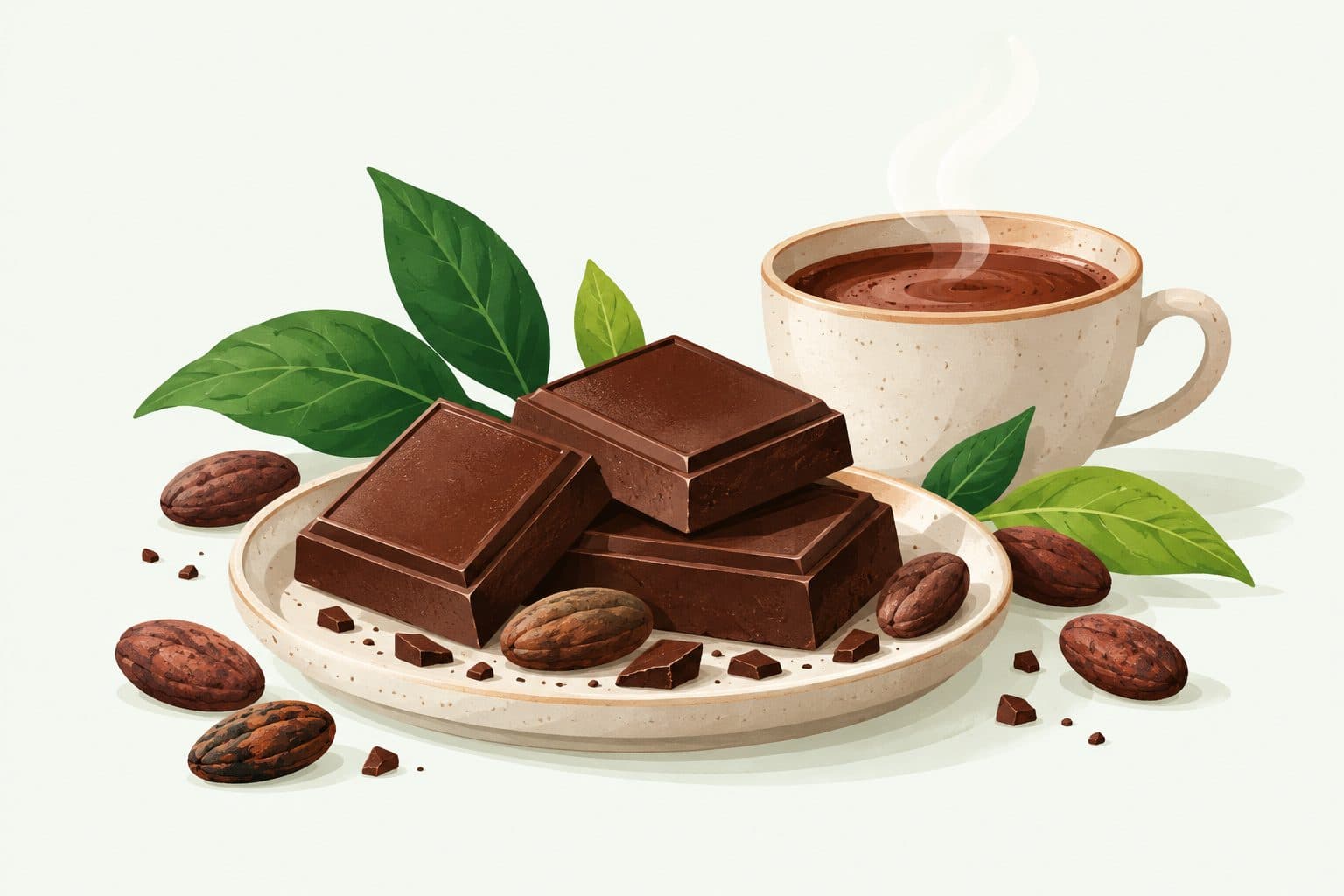
Love to munch on your favorite chocolates when feeling low? Go ahead. Biting on dark chocolates is good not only for your heart but overall health!
According to science, dark chocolates-milk and white chocolates do not make the list, are good for healthy beings. They help in alleviating stress, improving brain function, and reducing the risk of diabetes. Being rich in antioxidants, and brimming with healthy nutrients, this bittersweet treat is considered a superfood.
Need more excuses with science backup to relish dark chocolates? Scroll ahead to explore more to heighten your love for chocolates.
A Brief about Dark Chocolates
Dark chocolates are loaded with phytonutrients like flavonoids- a plant chemical that acts as an antioxidant. These play a major role in preventing cancer, keep a check on heart health and weight too – as noted in an article in the Journal of Nutritional Science in December 2016.
Chocolate is derived from a cacao plant that contains a compound called theobromine, known to decrease blood pressure and reduce inflammation. The cacao plant has more nutrients and antioxidants compared to green tea or red wine. It is said that the darker you go, the higher the antioxidants level. However, you need to have a proper balance between enjoying palatable dark chocolates and leveraging their benefits.
Dark Chocolates Help Prevent Heart Diseases
The researchers say that one of the biggest benefits of dark chocolate is helping to prevent heart diseases. Studies published in July 2015 in the journal Heart exhibit people who eat dark chocolates have a lower risk of both heart stroke and disease.
Another study in the journal Clinical Nutritional found that people eating dark chocolate five times a week experience 57% reduced heart diseases. The hypothesis made by the researchers infers that since the chocolates contain flavonoids that helps in maintaining sound heart health.
Dark Chocolates Improve Cognition and Boost Mood
No, this is not imagination! In fact, the studies prove that eating dark chocolates benefits your brain. Research shows how chocolates stimulate neural activities in areas of the brain connected with rewards and pleasure. This, in turn, reduces stress and improves mood. Some studies published in the journal of Nutritional Reviews show clear evidence of improved cognitive function.
High levels of flavonoids improve cognition, memory, and mood. Further, it is also found that these chemical compounds improve learning ability. So, next time you are planning to study, remember to have a dark chocolate bar with you. However, before you go ahead and stock up on those chocolate bars, keep in mind the maximum limit of consuming your favorite bar.
Dark Chocolates Keep Sugar Level in Check
Yes, eating chocolate every single day does not sound the best way to maintain sugar levels. But, studies show that a certain amount of dark chocolate, rich in cacao is believed to improve how the body metabolizes glucose.
It is insulin resistance that leads to increased blood sugar. On the other hand, the flavonoids in dark chocolate reduce oxidative stress in the body which is believed to be a major cause for insulin resistance. If the body’s sensitivity to insulin is improved, the resistance reduces, thus, the body is less likely to suffer from diabetes.
Dark Chocolates Keep Gut Happy and Healthy
Does not seem sensible, right? But, it is. Dark chocolate helps in keeping the gut happy and healthy, thus, helps in weight management. A book Eat Chocolate, Lose Weight – written by a Neuroscientist, Will Clower proves every way how dark chocolate controls appetite and helps in weight loss. The book shows how dark chocolate is eaten before or after meals can trigger the hormones signaling the brain to feel full.
Of course, you need to stay within the consumption limit of dark chocolates; otherwise, the potential benefits will get counteracted.
Dark Chocolates Fight Free Radicals
As already discussed, dark chocolates are loaded with antioxidants. These antioxidants are responsible for putting up a fight against the free radicals in the body. Free radicals are those unstable oxygen molecules in search of one last electron. Because the body has no free electron to offer, these free radicals start eating up the cells of the body. This is where antioxidants come into the picture to neutralize these radicals and prevent them from harming the body.
These free radicals are responsible for inducing diseases and increase aging in an individual. Too many of such radicals start attacking cells leading to inflammation and other diseases like cancer, Alzheimer’s, and heart diseases. People consuming flavonoids or antioxidant-rich foods are less susceptible to be victims of cancers.
Dark Chocolates are Awesome for Skin
Dark chocolates are packed with iron, copper, and magnesium- to name a few. These elements are beneficial to the skin. One of the most essential elements for skin is Manganese- it supports collagen production – a protein that keeps the skin young and healthy. Other minerals in dark chocolate like calcium, helps in renewing and repairing skin cells.
When the body and skin are exposed to sun rays, the UV rays damage the skin cells- via the introduction of free radicals on the skin. However, eating dark chocolates has not shown any significant improvement in protecting from the effects of UV rays. But it surely has shown improvements in improving the elasticity of the skin that gets compromised due to the Sun. However, the exact mechanism for the same is still unknown.
Dark Chocolates are Nutritious and Delicious
Besides other benefits of dark chocolates, they are highly nutritious and delicious! The darker the chocolate, the higher the nutrition level. So, buy any 70% or higher dark chocolate containing antioxidants higher in potassium, fiber, calcium, magnesium, and copper- as stated by the studies published in the journal Antioxidants & Redox Signaling. Be mindful while eating dark chocolates because they are not a cure-all superfood!
Final Thoughts
Wondered to eat chocolate every single day? Well, you do not need an excuse anymore! Have science back you up for all the reasons in the world. However, be cautious about the intake. These dark chocolates contain fats and calories too. Keep in mind that each chocolate brand processes chocolates differently. Thus, it is always recommended to go through the labels for ingredients and know what kind of chocolate you are consuming.
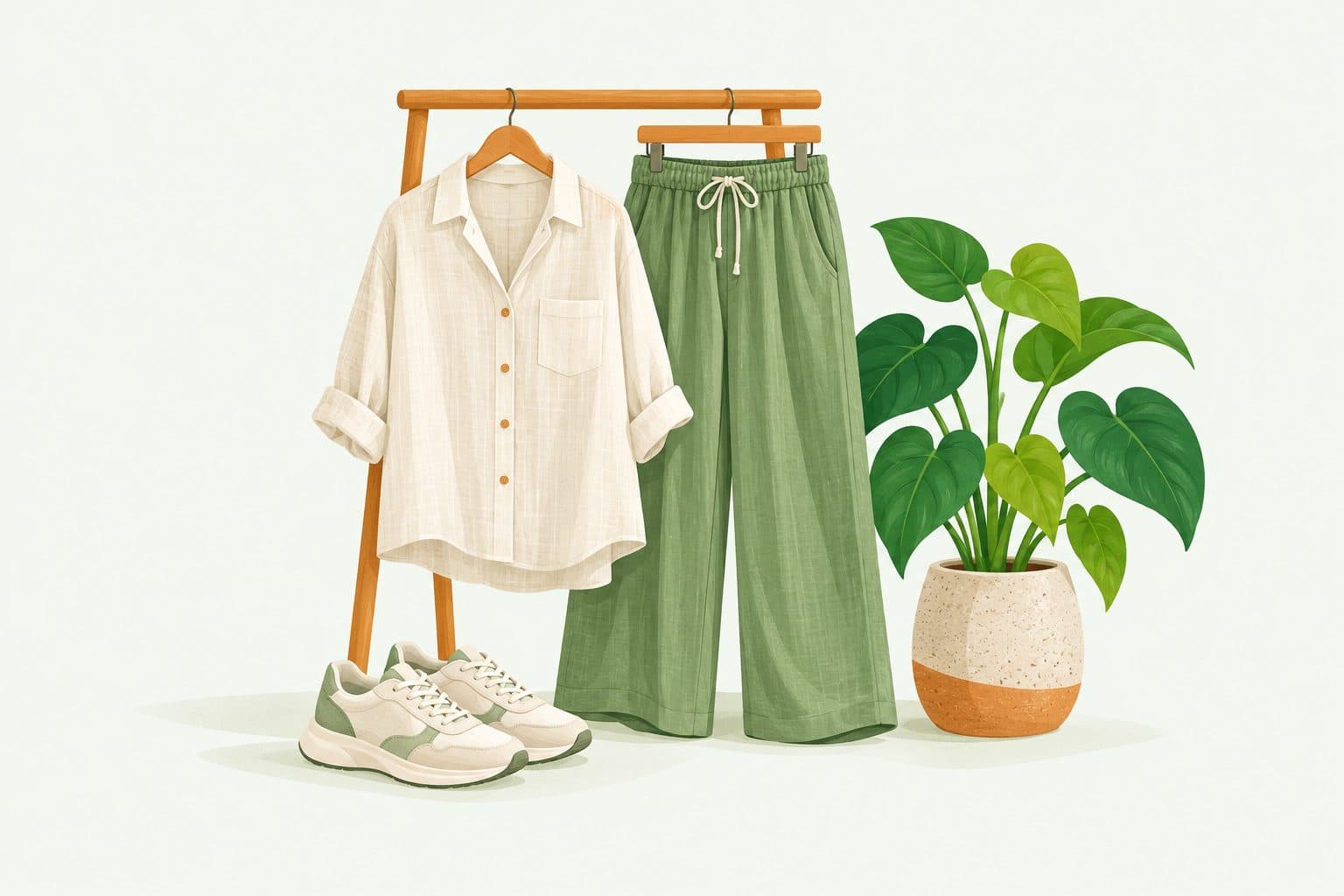
Love to stay at home in your comfy pajamas or a long T-shirt? Well, you are not alone! Besides this, if you love to stay healthy, perhaps, you would have to reconsider your clothing. In a world where sustainability is less of an option, smart clothes really do the deed.
Since we are locked inside our homes, we love to have the most comfortable fabric. Additionally, the studies show that people have committed to having more comfortable clothing now more than ever after the onset of the coronavirus pandemic.
But, did you know that cozy clothing can boost your overall well-being and health? Let us learn more about it in detail ahead.
Comfortable Clothing is best for Skin
Apparels, such as activewear is made of materials that do not trap oxygen or moisture. Thus, they allow the skin to breathe freely and easily. As skin gets more oxygen, it stays healthy for a long period of time. Consequently, you will have fewer signs of skin aging, acne, and other skin issues caused due to moisture trapping. The skin becomes less prone to breakouts and dryness. It is important to keep moisture away from the skin for its prolonged health. If you want to have healthy glowing skin, it is time you switch to comfortable and breathable clothing at all times. Whether you are staying in your home or stepping out for some work.
Comfortable Clothing is Healthy for Organs
Did you know that wearing constrictive clothes can take a toll on your organs? This came into light only when slimming bodysuits became a thing- even though corsets were always in existence. The bodysuits really contour the midsection and end up compromising the organs- just for the sake of the illusion of a thin and slender body. Further, it restricts blood circulation in the body.
It is not only for the bodysuits or corsets, it can happen with your favorite pair of jeans too. If they are too tight and you wear them often, then you are more likely to bring harm to the organs and circulation. The stomach gets affected, and digestive problems are common.
Comfortable Clothing are Nice to Nerves
Remember, when you wear those tight clothes, they not only damage your skin and organs but also make the nerves suffer. So, when you put up your favorite pair of tight-fitting jeans, then the nerves in your thighs get suffocated by taut material. Nerve compression is a common phenomenon in such cases. Make sure to have loose-fitting clothing that allows your organs and respective nerves to work and function well.
Comfortable Clothing is Kind to Immune System
Lymphs are the colorless fluids in our bodies that neutralize bacteria. However, it needs a place to drop the respective bacteria for the neutralization process to begin. These neutralization points are in the lymph nodes- present in the groin, armpits, and neck. As tight clothes press on the lymph nodes, the flow gets disrupted causing the lymph to not reach the nodes. Furthermore, this ends up leaving your body comparatively weaker to fight toxins in the body, making you vulnerable to infections.
Comfortable Clothing is Better for Lungs
Love to breathe fresh air, right? Well, who doesn’t! But, wearing tight clothes can cause difficulty in breathing, further leading to unhealthy lungs. If you wear clothes that are tight to your ribs, then your diaphragm is definitely not able to function properly as it is supposed to. They not only restrict the oxygen intake but lead to various breathing issues.
And, you can experience them in your brassiere or even as simple as a tank top. You can know if your clothes are unhealthy for your body when they show certain symptoms. Some of the signs are chest pain, trouble breathing, feeling of tightness in the chest, etc. Next time, you are in your workout tank top again, make sure that it is not too tight!
Comfortable Clothing is Right for your Mind
Everyone loves their clothes to be the right fit for their body shape and size. And, if the clothes do not fit you perfectly, it might agitate or at the very least, irritate you. All you will end up doing is criticizing your appearance, and sizes. Even without the mirror, the physical discomfort in the cloth can mess with your head, leaving you sad, upset, anxious- and pretty much every negative emotion you can imagine.
Wearing loose-fitting clothes will definitely make you feel free and thus, improve your mood for the better, of course! It might not boost the overall mood, but surely, it does the most of it. Remember to dress comfortably as and when possible. Forget the clothes where you just need to fit yourself in.
Tips to Stay Comfortable in your Clothing
Skip using dryers to dry out your clothes. Prefer hanging the clothes to dry them out. The dryers are slowly and gradually eating away your clothes; and with them, they will shrink.
Prefer to start your day with yoga or light exercise. If your clothes just came out of the dryer, then do some stretches right after putting them on. This will help in getting rid of the staleness in the clothes as well as make them a little comfortable to wear all day long.
Do not just get rid of the bigger-sized clothes, just because you do not fit in them anymore. It is absolutely normal to have your own ups and downs, and comfortable clothing can be beneficial in such instances.
If it does not fit, do not buy it just because you love it. Yes, it might make you crazy, but more than just covering your body and making a fashion style statement, the clothes are supposed to keep you comfortable.
Did you know that wearing comfy clothes can have so many benefits? What are your favorite pair of clothes that help you get through the good and the bad days?
It’s 2021, the time of rush. Rush to get things done. There are multiple or almost everything to rush about. And we hardly give ourselves reasons to calm down, slow down a bit. Life has become an assignment and surely everybody wants to excel in it as well. Either we are too energetic to get things done or too low that we almost drain ourselves out.
In this rush of securing higher pay, getting better jobs, keeping our loved ones happy, we often forget to take some time for ourselves. Don’t we?
Mental health is something almost everyone ignores in their day-to-day life when it comes to talking about their own. Everyone is a therapist for their best friend. Stress, depression, anxiety are a few of the most obvious issues. We do not give ourselves enough time to get past our stress, which leads to bigger things eventually. Taking your time from your usual work to do something that makes you feel alive or anything that calms your stress is the key to taking care of your mental health.
You must have also noticed how all these mental issues can later affect our daily lives, your relationship, the one for whom you are burning yourself out. In the article below, we will tell you how you can overcome all these issues. Just by taking some time out for yourself and the immense benefit of doing so.
Taking out some time for yourself, and doing any activity which makes you feel your breaths is a great thing for starting. Even if you are just sitting still for a few minutes. It does sound easy, but it’s difficult to sit down when there are thousands of thoughts rushing down your nervous system. Try these:
Pause: Every day, no matter how busy your day is going on and how you’re stressing yourself out for the next possible presentation. Try to pause and think for a moment. You can write down your thoughts, your feelings at that exact moment. Try to take small steps like:
Setting a timer for relaxing: Set a goal or a timer to do a task, and whenever your timer goes off. No matter if your work is complete or not. Move your body, relax your mind, and your muscles.
Visit down the memory lane: You can keep your photographs and the other things that keep you going on at your work desk. You can just go through all of them.
Feed yourself in between: If you’re strictly planned for the day. Try to have some food, or snacks for the cravings in between. Or if you want you can also take out 10-15 minutes to get up, eat and feel refreshed.
Escape with your favorite song: What can hardly be done in 5-10 minutes of break, right? Everyone often thinks this, and then they stress about the day ahead. But just vibing to your favorite song for a few minutes can help you feel yourself again.
Going for a quick walk: You probably get so busy with the usual chores that you might not be moving your body and not focusing on how you literally feel. Well, instead of planning your next steps during your break or lunchtime. Try to go out, feel the breeze, and thank your body for taking this much.
Meet a friend: When in doubt, either go for a book or a friend. Sending time with your buddy can make your day a lot better. Though, it’s hard to find a positive self in each of your friends. But you can always call the one you want to. Trust us, you don’t even know how the time would fly. No matter how overwhelming your life is going on. An ear to listen always helps.
By taking some time out for yourself, you would feel many emotions and can see some positive impact on your daily chores as well. You will feel:
Re-energized:
When you take some time out for yourself, your brain, and your body. You feel better, more energetic, and also motivated for the rest of the day. Your body gets fed up with the same routine every day that whenever you give a quick rejuvenating break to it. It acts a lot better.
We often don’t believe in taking breaks, especially when we have a tightly scheduled day. Mostly, because it has always been like that. But more than anything else, taking quick breaks must be
there in your schedule for sure.
Build a new perspective towards life:
Day to day life, looking at the same people, working on the same thing can be very exhausting. It automatically closes your doors of being used to new things. Watching life from a different perspective.
Taking some time out for yourself, from your daily chores can help you enjoy life. Whether it’s just a coffee break at a coffee shop or taking yourself a weekend out. Anything that makes you explore new people and eventually a new world.
Open your creative side:
Creativity develops in peace. Creativity isn’t something to be rushed upon. There isn’t any rule or any particular thing to follow to develop and prove yourself as a creative one. Try not to stress yourself out. Look at the tips on how you can pause and relax above.
And whenever you’re ready, try to feel and unwind your creative side to yourself.
Inhale productivity and exhale toxicity:
One of the most underrated tips to be productive is to rest. When you take proper rest and appreciate your time. There’s none more productive than you. But, it often becomes hard to take a rest when you stress yourself out for deadlines.
So try to schedule your days, weeks in such a way that you never get drained out of it. Sooner or later, you will realize the importance of resting.
These were some tips on how to take some time for yourself and how it can have lots of positive effects on your life.
A clear, as well as relaxed mind, will help you have better thoughts. It’s easier to be happy when you are not pushing yourself, to the deadlines, to the plans, and whatnot. It’s easier to be happy when you appreciate and thank your body and yourself for everything that it has been doing so far. It’s easier to be happy when you take a pause and feel love for yourself all over again.
An average person starts to take care of his or her diet and fitness when something makes him realize that things need to change. Reasons can be numerous- whether it is the number on the scale, or the breathlessness while climbing a flight of stairs.
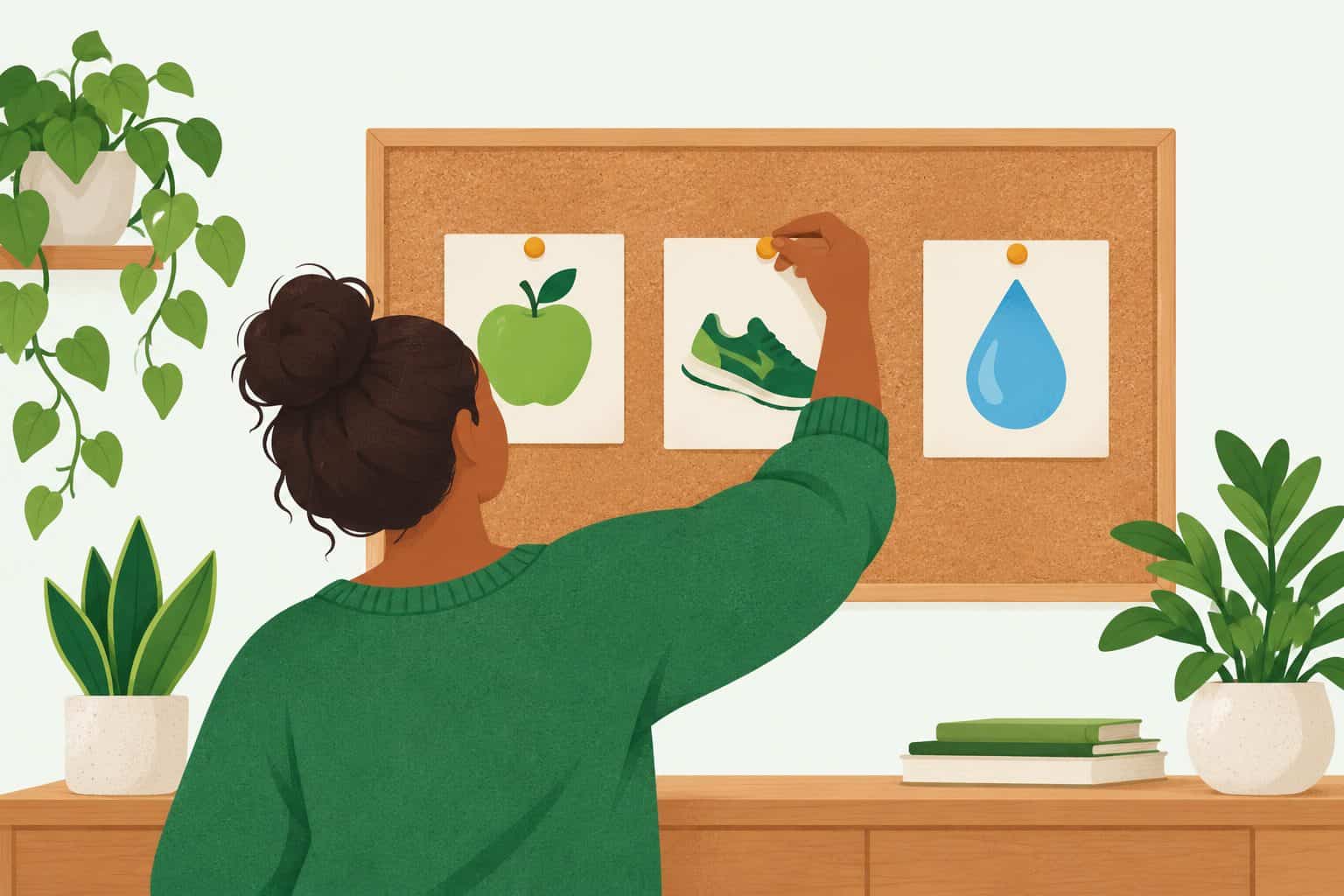
After the onset of the coronavirus pandemic in the year 2020, people have more inclination towards setting and achieving fitness and dietary goals. However, the difficult part is to set healthy and achievable goals. We are different beings and are in need of a different routine compared to anyone and everyone.
When an individual takes a universal decision to get into the right shape, they often end up choosing numbers and setting milestones that are not realistic; and end up being set up for failure. Therefore, when setting healthy fitness and diet goals, it is important to consider and understand the lifestyle, the needs, the tips and tricks for wellness, and others. This ensures not only healthy goals but also motivates us to achieve them sooner with diligence.
Let us hop on the train of thoughts about how to set healthy fitness and diet goals.
Assess your Current Fitness and Diet Routine
Before jumping on to any plans and goals, sit and figure out what your current routine is! Are you lacking somewhere? Or, are you doing enough exercises? Are you getting enough carbs, proteins, and other necessary nutrients? Understand the current routine to know what is helping you and how; and why you are lagging behind your fitness goals.
Take note of the time you wake up, exercises you do, physical activities that you do all day, meals you take, and every tiny detail in check. Leverage all the information to plan out the best and attainable fitness and diet goals for you.
No matter what your fitness goal is whether it is to manage weight, reduce the risk for a disease, boost energy levels, the formula for success involves having the right nutritive foods. Lower the intake of processed foods, fats, and sugary drinks.
Next, make sure that you outline the fitness routine. If you do not have one, then do not beat yourself about it. You can always start it today! After all, you are here to start and gather something positive.
However, if you do have a fitness routine that you follow, then you need to recheck whether they are right for you, or even enough for you. If you are not achieving your goals with the earlier set fitness routine, then perhaps, you are wrong somewhere. You have a good jump-off point to rectify the mistakes and be on the right track.
Set Attainable and Healthy Fitness and Diet Goals
Most people tend to go into crash dieting just as they realize they need to cut off some foods, but this is wrong! Restricting yourself completely and suddenly from certain foods can take a toll on your body.
So start your healthy regiment at a slower pace. Take the help of the food journal to determine the necessary changes you should make in your diet. You may love to swap the soda for water or a bagel with cream cheese for a bowl of fresh fruits.
Remember the bigger the changes you set for yourself, the harder it is to stick to. Slow and steady wins the race. Take the smaller changes as victories and motivation for your fitness and diet goals.
Do not go overboard and set up yourself for failure. Instead make only small modifications, in the beginning, to make sure you and your body get accustomed to the goals gradually. You will feel the difference sooner than you expected.
On the other hand, from the fitness point of view, the suggestion is still the same. Do not set hard-to-achieve goals just because you were inspired today to do 100 pushups. Have a goal for the exercise that increases gradually with time and as and when your body gets adjusted to the current fitness goals.
You must know that you cannot suddenly jump from not working out to a full blow workout as that of a professional athlete. Find exercises that are right for you and keep moving!
Healthy Tips to Get Started for Healthy Fitness and Diet Goals
Healthy Fitness and Diet Goals are not only about how you look, but it is more about how you feel, your mental well-being, your ability to concentrate and focus, and the overall quality of your life.
Here are some tips to help you make sure that you are all set and execute the healthy fitness and diet goals for yourself.
Drink enough water to keep yourself hydrated as the body is made of 70% water.
Fill your refrigerator and kitchen pantry with healthy snacks and foods. So, you need to read the label of the items before you buy. Learn what you are putting inside your body and what the results of the same would be.
Make sure the portions of food you intake are in the right quantity to have a good protein level in the body. Fruits and vegetables should be in equal servings to ensure a balanced diet of all the nutrient intake.
Do not ever compare your exercise routine or dietary routine with anyone. Each individual is designed differently and born with a unique need. This is your journey; focus on achieving each milestone one by one with flying colors instead of putting yourself up for comparison.
Continually, assess and analyze your fitness and diet goals. Reassess them every month, if needed, to stick to the path of achieving the fitness goal you have had in your mind since the beginning. On this journey, you are the only person that matters; and so does your health! Choose your own fitness and diet goals!
You are here, reading this article because you probably want to lose weight or are still waiting for Monday to start your fitness, weight loss journey. Let us tell you that a sustainable weight loss journey isn’t about a few weeks or some other crash diets. It’s about changing the whole lifestyle altogether.
From your food habits to taking stairs instead of lifts. These are the small changes that must be there to have a better lifestyle and eventually a lot better health.
For weight loss specifically, one should eat nutritious food, including lots of protein, fiber which helps in digestion. There must be a balanced diet accordingly. Eating multigrain, beans, vegetables, protein-rich products are directly associated with weight loss or getting fitter. And packed, processed foods, beverages containing a high amount of sugar, must be avoided if you are planning to lose weight.
The right food and a lot of physical activity go hand in hand during weight loss. Though, the requirement of everybody is different and so does the body react differently, even if they follow the same diet.
Below, we have mentioned the 7 best foods to eat to lose weight.
Eggs:
There is no way, someone will talk about weight loss, the food one should eat during weight loss, and won’t include eggs in it. Eggs are most popular for breakfast but different dishes like egg curry are also included in dinner. The egg is rich in protein and it keeps you full for longer.
Recent studies have shown a significant difference between the people who eat eggs and other packed foods for their meals. And the results were pretty obvious. As the ones eating eggs were fuller for longer and the other ones were hungry even before 3 hours. They also checked their hunger hormone, the egg group had normal hunger hormone. But the packed food-eating ones had lower blood sugar as well insulin levels.
Yogurt:
Yogurt is counted as one of the best foods for weight loss. Though, it doesn’t actually contribute to weight loss directly but is part of it. Be it traditional yogurt or the new ones now in the trend. All of them help in the proper digestion of the food. So no matter if you went ahead from your portion size some days. You still gonna have clear digestion, only if you added yogurt in your meal or even added it as a snack sometimes.
Grapefruit:
Though, grapefruit has been working like magic for many people, especially for the one who is almost diabetic. But it doesn’t always work for everyone.
For the ones, it has worked, they have seen some tremendous changes in their body. Just by eating half a grapefruit before each meal, people have lost around 3-4 pounds in 12 weeks or so. But yet again, everybody works differently and so does losing weight.
Some people prefer grapefruit juice over grapefruit, mostly because it requires less effort and is also easy to digest, and keeps you full for longer. But no one should ever take it without consulting any specialist. Or if you are on any medications.
Nuts:
Nuts are a must-add item for your weight loss journey. They are rich in protein and fiber, which are directly helpful in losing weight and developing a better digestive system altogether. Nuts are also known as one of the main components of healthy fats. They contain most of the nutrients beneficial for different states of the body, only if eaten in moderation.
Studies have shown that two sets of women were given 50 grams of almonds each day individually for a couple of months during their weight loss diet. After a few months, the set of the women having nuts as almonds significantly lost more weight than the ones not having it. Their blood sugar levels were controlled. The waistline was shorter and there was an overall change in their BMI as well. A study in Europe also shows that the people who consume almonds, and other nuts for years have gained less weight than the ones who didn’t.
A proper diet with regular movement of the body can lead a long way.
Oatmeal:
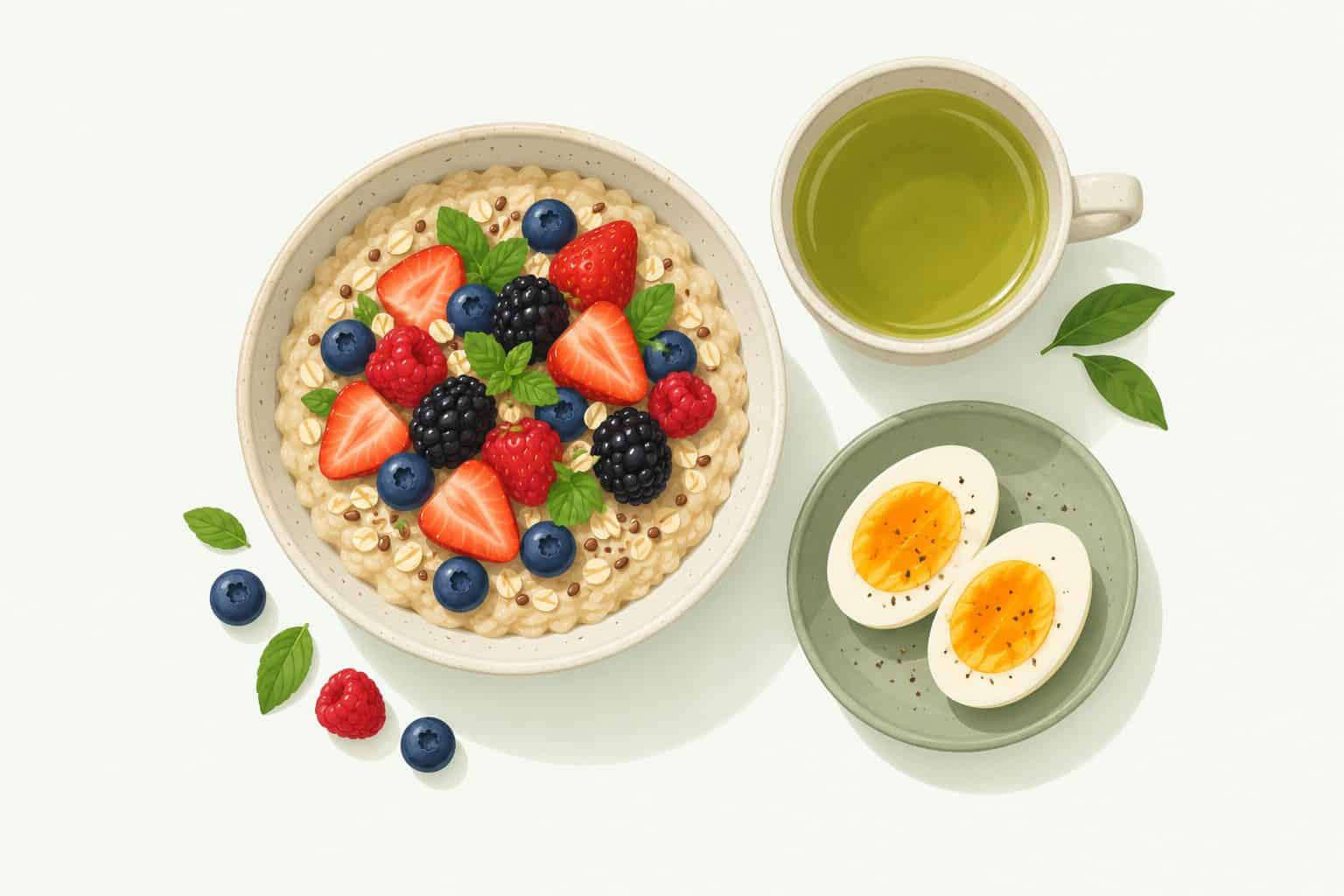
Breakfast is often considered one of the most important meals of the day. And having something healthy, of nutrients, which also keeps you full is the cherry on the cake. Oatmeal is one such.
People often consider cereal or cornflakes over oatmeal for breakfast. Though both are easy to prepare, cereals take a lot of time, and instead of putting some constructive effort into a healthy meal, people go for something instant. Though, for the ones who do take time for themselves, i.e for the body are fuller, have higher energy. Both portions of cereal, as well as oatmeal, have the same amount of calories whatsoever. But oatmeal contains beta-glucan, a type of soluble fiber that can show significant results in people eating oatmeal.
Beans, chickpeas, (pulses):
Pulses are one of the richest sources of protein and fiber when it comes to diet for vegetarians. Pulses like beans, peas, lentils altogether are best for keeping yourself full. They are so helpful when it comes to contributing to a diet for weight loss because of their protein as well as fiber content.
Oatmeal contains soluble fiber that helps in slowing down the process of digestion as well absorption. The same soluble fiber is present in the pulses. It is high in protein that leads to the feeling of fullness. Pulses help in not only losing weight significantly but also in maintaining weight after you lose weight.
Avocados:
One of the healthiest foods when it comes to weight loss is avocados. Avocados are full of fiber as well as healthy fats. Avocados are often considered one of the best fruits or eating them to maintain a static BMI, even after you lose the desired weight. It not only helps you in weight loss but also in a better appetite, you want to eat more fruits, vegetables when you add avocados to your diet. Their metabolic syndrome is maintained and they are not likely to consume more sugar.
These were some of the best foods to eat to lose weight. But instead of tally changing our lifestyle at one go. Try to step by step, meal by meal. Try to first choose grilled over baked, fried, packed food.
Make healthy choices like boiled chicken, eggs, pulses.
Eat fruits, jaggery instead of chocolates when you crave sugar.
Lastly, try to eat everything portion controlled. You always have better options, when it comes to food.
Have you ever wondered why some people lose weight faster than others despite following the same routine and the same diet? Well, the answer to this is their metabolism rate. A good metabolism rate means that your body enjoys burning calories faster, whereas a lousy metabolism rate means that no matter how hard you work out, your body won’t burn calories as quickly as it should. Aside from that, metabolism contributes to maintaining bodily equilibrium by monitoring and controlling your blood sugar, cholesterol, triglyceride, and blood pressure levels. Sometimes, knowingly or unknowingly, we kill our own metabolism by indulging in some unhealthy habits. What are they? Let’s find out:
Less food means more calorie burnout.
Several people are under the impression that a lesser calorie intake means higher weight loss. However, you may be surprised to learn that restricting calorie intake to an excessive degree can actually slow metabolism. Although it is necessary to create a calorie deficit (eating fewer calories than one’s body can burn) to lose weight, eating too few calories may actually have quite the opposite effect. In this situation, your body recognizes that food is scarce and reduces the pace of burning calories.
Sedentary Lifestyle.
A sedentary lifestyle is the kind of lifestyle that does not involve much physical activity. Due to the pandemic outbreak last year, many people started working from home, which halted their physical activities. This has had a terrible effect on their overall health hence, slowing down their metabolism. Even activities as small as standing, moving around, taking the stairs, cleaning, household chores, etc., play a great role in burning those extra calories. These activities too have a name, and it is Non-Exercise Activity Thermogenesis(NEAT).
Low Protein Intake.
Protein intake is critical for obtaining and maintaining a healthy weight. Protein should be consumed in moderation.
Beyond making you feel full, high protein consumption can help you burn calories at a faster pace by increasing the rate at which your body burns calories. The thermic effect of food refers to the increase in metabolism that happens after food has been digested (TEF).
The thermic impact of protein is significantly more significant than that of carbohydrates and fat. Studies have found that eating protein temporarily improves metabolism by approximately 20–30 percent, compared to 5–10 percent for carbohydrates and 3 percent or less for fat consumption. Although it is inevitable that metabolic rate will reduce during weight loss and that it will continue to slow throughout weight maintenance, data suggests that increasing protein consumption can help to mitigate this effect.
Inadequate Sleep.
Sleep is the way your body recharges itself for the next day. If you compromise on sleep to finish other work, you are at a higher risk for depression, diabetes, and heart illnesses. Lack of sleep is often one reason for a low metabolic rate which slows down your weight loss process and journey. Irregular sleep timings can decrease the quality of your sleep. Sleeping during the day instead of at night exacerbates the effects of sleep deprivation. This sleep pattern interferes with your body’s natural circadian rhythms, often known as the internal clock.
Lack of Strength Training.
Lifting weights is an excellent approach for keeping your metabolism from slowing down. In both healthy and unhealthy individuals and those suffering from heart disease or being overweight or obese, it has been demonstrated that strength training increases metabolic rate. Muscle mass in your body increases and muscle mass accounts for most of your fat-free mass. At rest, having a higher percentage of fat-free mass boosts the number of calories you burn by a significant amount. Increasing energy expenditure through strength training appears to be beneficial even at low levels.
Drinking less water.
You can have a metabolic slowdown if you do not drink enough water. Perhaps a big, refreshing glass of water would be appropriate. According to research, it aids in the burning of calories and the reduction of body fat. Moreover, regardless of temperature, water makes you feel fuller for longer, allowing you to consume fewer calories.
Water consumption doesn’t necessarily mean that you have to only drink H2O. You can also divide your diet in a way that it is mainly filled with water-rich foods such as cucumbers, watermelon, Dals, etc.
Skipping Breakfast.
Breakfast is perhaps the most important meal of the day. But unfortunately, due to our rigorous schedules, we tend to skip this meal usually. We may not consider this to be a big problem, but technically, it is. When our body is asleep, it needs food as soon as it wakes up. Breakfast helps your body feel energized and ready to rock the day!
Consumption of too many refined carbohydrates.
Whole grains, fruit, and vegetables include carbs that differ significantly from refined carbohydrates. Refined carbohydrates found in foods such as flour and sugar need to be avoided. Our body expends minimal energy in the process of breaking them down. Diets high in fiber slow digestion and make your body work harder to break down nutrients since they include more fiber.
Chronic Stress.
There’s nothing good that stress can do for anybody. If you’re stressed, a hormone called cortisol is produced by your body. This hormone’s job is to give you a quick energy boost. However, if you are stuck in a stressed-out state, your body believes you are still in need of fighting and continues to produce cortisol. Increased amounts of this hormone make it more difficult for your body to utilize insulin effectively. This has the effect of slowing your metabolism and causing you to acquire weight.
Avoiding Dairy Products Completely.
According to a recent study published in the Nutrients Journal, those who consume high dairy products are less likely to be overweight or obese.
Because they contain calcium and protein, dairy products help to speed up metabolism. Before choosing whether or not to include dairy products in each meal, it is crucial to remember that the calorie fat count should be kept within prescribed ranges.
Excessive Smoking and Drinking.
A couple of drinks won’t kill you. But drinking every night can slow down your metabolism. With alcohol in your bloodstream, your body burns less fat and slows your metabolism. Avoid alcohol if you want to speed up your metabolism. Instead, opt for heart-healthy red wine.
In a nutshell, we sometimes do many things without thinking about their repercussions. Hence, it becomes essential to be aware of what we are doing and how those actions affect our bodies.
He who has health, has hope; and he who has hope, has everything.
Thomas Carlyle
If there’s one thing that will stay with you forever, it is good health. If you are not in the best of your health, there isn’t much you can achieve anyway. However, humans often tend to place their health at the very end of their priority lists. Today’s fast-moving world has promoted the rat race and has let health and fitness take a backseat! Of course, everyone wants to be fit and healthy, but they do not have the time to go to the gym or even follow a strict diet. Thankfully, you do not always need a gym or a rigorous diet to keep yourself healthy and fit.
There are several things that you can start following at home itself. This will be easier and more convenient for you to plan and follow. Maintaining physical fitness will make you look great and fill you with great energy. Being fit will make you more positive in life and improve the overall well-being of your mind and body.
Tips to Stay Fit and Healthy at Home
Plan
Planning is an essential part of any process. Without a proper plan in place, there’s hardly anything that will last for long. Many people complain of not having the time to start a healthy routine. But in reality, these are just excuses. If you want to do something, you will do it irrespective of anything. Hence, chalk out a plan of what you want to achieve and by when.
Exercise
There’s no alternative to staying fit other than exercise. You don’t have to spend hours and hours in the gym. All you have to do is start with 20 minutes every day and gradually increase when you get the hang of it. Here are a few things that you can follow with respect to an efficient exercising routine:
Firstly, ensure that you are strong-headed about this. Don’t start half-heartedly. You need to understand that a regular exercising routine will only make your health and body better.
Of course, working out in gyms have their own luxuries like music, air conditioning, television etc. Yet, experts have discovered that engaging in physical activity outside has numerous advantages, even for a short period of time. Running on a road, sidewalk or trail provides a more challenging workout than using a treadmill or elliptical trainer, which can become monotonous after a few minutes.
Socialising is the key. If you make other people a part of your exercising routine, you will see yourself sticking to your routine in a better way. A workout friend will make you more responsible and accountable.
Don’t follow a monotonous routine. In the beginning, follow a particular set of exercises religiously. But after a while, bring about a change in the type of exercises you do. This will help you get better results as your body won’t get accustomed to a single routine.
Eat the right kind of food.
What you eat is what you become. The kind of food you consume plays a vital role in your physical health and mental health. Following are the points you can follow in order to eat the right food, the right way!
Cooking your own food is one of the most effective methods of maintaining a healthy diet. Individuals who prepare their own meals, according to studies, consume fewer calories, sugar, and fat. Eating fewer processed meals, which often have high salt levels, is easier when you cook with fresh items instead of canned or frozen.
The ingredients you use when you cook for yourself are entirely under your hands. This will assist you in ensuring that your body receives the nutrition it requires. In addition to helping you maintain your weight, eating correctly can provide you with the energy to engage in regular physical activity.
Make a plan for yourself to eat in a general, healthful manner. However, if you have any specific concerns about your weight or overall health, it’s a good idea to speak with your doctor about them. She can assist you in determining which foods will assist you in meeting your fitness objectives, whether to maintain your present fitness levels or lose weight.
Pay close attention to the nutritional information on the labels of the items that you purchase. You need to be aware of the quantity of sugar, fat and calories listed on the items you buy.
Keep yourself hydrated.
This is probably the easiest yet the most difficult one. We all know the benefits of drinking water and keeping ourselves hydrated, yet we tend to ignore them. When it comes to staying fit, electrolytes are essential since they help reduce muscular pain, promote digestion, avoid weariness and depletion, and enhance performance. Dehydration in the body is linked to a wide range of health problems.
Get enough sleep.
Many of us prioritize every other thing in the world over a good sleep. You need to get at least eight hours of sleep in the night so that your body is recharged and ready to roar the next day. If you feel tired or weak during the day, you can also take a 30-minute nap in the afternoon!
Have a healthy mindset.
It is all about the mind and how you control it. Never let any negativity affect you, whether it is comments from people or hardships and failure. Staying fit and healthy is not confined to physical health only. Mental and emotional being is just as important. Avoid taking unnecessary stress because this will only make you feel sad and depressed.
There is a lot one can do by staying at home. It is all about how you plan and then execute. We all know what’s suitable for our body and mind, but even then, we tend to let other things take priority. It’s time we start giving our health the much-needed importance that it deserves so that we have enough strength and energy to achieve all the other things in life.
Can you actually lose fat without going to the gym? The honest answer is yes — but with important caveats that most articles on this topic skip over.
Fat loss is fundamentally a metabolic process driven by energy balance. Exercise is one way to shift that balance, but it is far from the only way. For people who are injured, time-poor, physically unable to exercise, or simply not ready to start a workout routine, there are well-researched, genuinely effective strategies to lose fat through diet and lifestyle alone.
This guide covers the science of fat loss without exercise, 8 practical strategies you can start today, realistic expectations for how much fat you can lose, and the honest truth about when exercise becomes important.
The Science: How Fat Loss Actually Works
Before diving into strategies, it’s worth understanding the basic mechanism of fat loss — because most people have it slightly wrong.
Fat loss happens when your body is in a caloric deficit — when you consume fewer calories than your body uses over time. When this deficit exists, the body turns to stored fat as an energy source, breaking it down through a process called lipolysis. The byproducts are released as carbon dioxide (through breathing) and water (through urine and sweat).
Interestingly, research published in the British Medical Journal confirms that the vast majority of fat loss — approximately 84% — exits the body as carbon dioxide through the lungs. The rest leaves as water. This means breathing, metabolism, and the chemical processes of the body are the primary mechanisms of fat loss — not sweating.
Exercise accelerates fat loss by increasing caloric expenditure. But diet and lifestyle changes can create an equivalent or even larger caloric deficit — without a single minute on a treadmill.
The key insight: what you eat and how you live create the conditions for fat loss. Exercise speeds it up but is not a prerequisite.
8 Effective Ways to Lose Fat Without Exercise
1. Create a Sustainable Caloric Deficit Through Diet
This is the foundation of all fat loss — with or without exercise. To lose fat, you need to consume fewer calories than your body burns through its basic metabolic functions (breathing, digestion, organ function) plus daily activity.
The safest and most sustainable deficit is 300–500 calories per day below your maintenance level. This produces a loss of approximately 0.3–0.5 kg per week — slow enough to preserve muscle mass and sustainable enough to maintain long-term.
How to do it without counting every calorie:
Eliminate or significantly reduce the highest-calorie, lowest-nutrition foods in your diet: fried foods, sugary drinks, processed snacks, alcohol
Replace refined carbohydrates (white rice, white bread, biscuits) with high-fibre alternatives (brown rice, oats, vegetables)
Increase protein at every meal — protein is the most satiating macronutrient and reduces overall calorie intake naturally
Use smaller plates — research consistently shows that plate size influences portion size and calorie intake without conscious effort
Realistic expectation: A 400-calorie daily deficit through diet alone produces roughly 1.5–2 kg of fat loss per month.
2. Prioritise Protein at Every Meal
Protein is the single most important dietary factor for fat loss without exercise — and most people don’t eat nearly enough of it.
Here’s why protein is so powerful for fat loss:
It keeps you full longer. Protein is significantly more satiating than carbohydrates or fat. Studies show that increasing protein intake to 25–30% of total calories reduces total daily calorie intake by 400–500 calories automatically — without any conscious restriction.
It has a high thermic effect. Your body burns 20–30% of protein calories just through the process of digesting it — compared to 5–10% for carbohydrates and 0–3% for fat. This means a high-protein diet slightly increases your metabolic rate.
It preserves muscle mass during weight loss. Without adequate protein, caloric restriction leads to muscle loss alongside fat loss. Losing muscle reduces your metabolism, making further fat loss harder. Adequate protein protects muscle tissue even when calories are reduced.
3. Dramatically Reduce Sugar and Ultra-Processed Food
Sugar is the single biggest dietary driver of fat gain — not dietary fat itself, as was incorrectly believed for decades.
When you consume sugar (particularly added sugars in processed foods), blood glucose spikes rapidly, triggering a large insulin response. Insulin is a fat-storage hormone — it signals the body to store excess glucose as fat, particularly around the abdomen. Over time, frequent blood sugar spikes lead to insulin resistance, which makes fat loss progressively harder.
Ultra-processed foods (packaged snacks, instant noodles, flavoured yogurts, breakfast cereals, soft drinks) are specifically engineered to override the body’s natural satiety signals — making it easy to significantly overeat without feeling full.
Practical steps:
Replace sugary drinks (soft drinks, packaged juices, sweetened chai) with water, plain chai, or black coffee
Read ingredient labels — if sugar appears in the first three ingredients, the product is high in sugar
Reduce white sugar in tea and coffee gradually — your taste buds adapt within 2–3 weeks
The impact: Studies show that eliminating sugary drinks alone — without any other dietary changes — produces an average of 0.5 kg of fat loss per month.
4. Drink Water Strategically
Hydration supports fat loss through multiple mechanisms — and most people are chronically mildly dehydrated without realising it.
First, thirst is frequently misidentified as hunger. Research shows that drinking 500ml of water before a meal reduces calorie intake at that meal by approximately 13%. Over a full day, this can mean consuming 200–300 fewer calories with no sense of deprivation.
Second, cold water consumption slightly increases metabolic rate for 30–40 minutes after drinking — as the body uses energy to heat the water to body temperature.
Third, adequate hydration supports kidney function, which reduces the burden on the liver. The liver is a primary fat-metabolising organ — when it has to compensate for poor kidney function, fat metabolism slows.
How to implement it:
Drink 500ml of water first thing in the morning before anything else
Drink a full glass of water 20–30 minutes before each meal
Carry a water bottle and aim for 2.5–3 litres total per day
If you feel hungry between meals, drink water first and wait 10 minutes
5. Optimise Sleep for Fat Loss
Sleep is one of the most underrated factors in fat loss — and consistently cutting it short makes losing fat dramatically harder.
The mechanism is hormonal. When you sleep fewer than 7 hours, ghrelin levels rise (ghrelin is the hunger hormone that stimulates appetite) and leptin levels fall (leptin is the satiety hormone that signals fullness). The result: you feel genuinely hungrier the next day, crave higher-calorie foods, and have significantly less willpower to resist them.
A study from the University of Chicago found that dieters who slept 8.5 hours per night lost 55% more fat than those sleeping 5.5 hours — even though both groups ate the same number of calories. The sleep-deprived group lost primarily muscle mass rather than fat.
Additionally, poor sleep elevates cortisol — the stress hormone. Chronically elevated cortisol promotes abdominal fat storage and makes the body resistant to fat loss.
How to improve sleep for fat loss:
Set a consistent bedtime and wake time, even on weekends
Avoid screens for 45–60 minutes before bed
Keep the bedroom cool and dark
Avoid caffeine after 2pm
A short yoga or stretching routine before bed significantly improves sleep quality
6. Manage Stress to Prevent Cortisol-Driven Fat Gain
Chronic stress is a direct, physiological driver of fat gain — particularly abdominal fat — through the hormone cortisol.
When stressed, the adrenal glands release cortisol. Cortisol’s evolutionary role was to prepare the body for a physical threat — it raises blood sugar, suppresses digestion, and redirects energy to muscles. But in modern life, where stress is mental and chronic rather than physical and brief, cortisol remains elevated for extended periods.
Chronically elevated cortisol promotes fat storage, particularly around the midsection; increases appetite and cravings for high-calorie foods; and disrupts sleep, which further increases hunger hormones.
Managing stress is therefore a direct fat loss strategy — not just a lifestyle nicety.
Practical stress management for fat loss:
Practice 5 minutes of deep breathing daily (inhale for 4 counts, hold for 4, exhale for 6) — this directly activates the parasympathetic nervous system and lowers cortisol
Take short breaks from screens every 90 minutes during work
Spend time in green spaces — even 20 minutes in a park measurably reduces cortisol
Limit news and social media consumption, which chronically elevates low-level stress
The speed at which you eat has a direct and significant impact on how much you consume.
Satiety hormones — including cholecystokinin and leptin — take approximately 15–20 minutes to signal fullness to the brain after eating begins. People who eat quickly regularly consume significantly more food before the fullness signal arrives.
Research published in the BMJ found that fast eaters were 3 times more likely to be overweight than slow eaters — independent of food choices.
Mindful eating also reduces emotional eating — the habit of eating in response to stress, boredom, or habit rather than genuine hunger. Emotional eating is one of the primary contributors to excess calorie intake in desk workers.
How to eat more mindfully:
Put your fork or spoon down between bites
Chew each mouthful thoroughly — aim for 20 chews per bite
Eat without screens — no phone, no TV, no computer
Rate your hunger before eating on a scale of 1–10, and stop at 7 (comfortably full, not stuffed)
Use smaller plates and bowls
8. Increase Non-Exercise Activity (NEAT)
NEAT — Non-Exercise Activity Thermogenesis — is the energy your body burns through all movement that isn’t formal exercise: walking to the kitchen, climbing stairs, standing, fidgeting, household chores.
For sedentary desk workers, NEAT can account for as little as 100–200 calories per day. For active people, it can account for 500–1,000 calories per day — a massive difference that has nothing to do with going to a gym.
Increasing NEAT is arguably the most underutilised fat loss strategy available. You don’t need to exercise. You just need to move more throughout the day.
Simple ways to increase NEAT:
Take the stairs instead of the lift — every time
Walk during phone calls instead of sitting
Stand for 10 minutes every hour if you work at a desk
Walk to nearby destinations instead of taking an auto or bike
Do household chores energetically rather than minimally
Take a 10-minute walk after each meal — this also significantly improves blood sugar management
A person who walks an extra 4,000 steps per day (approximately 30–40 minutes of incidental walking) burns an additional 150–200 calories daily — equivalent to losing an extra 0.5–0.7 kg per month without any formal exercise.
How Much Fat Can You Realistically Lose Without Exercise?
Setting realistic expectations prevents the frustration that leads most people to give up.
Approach
Expected Monthly Fat Loss
Diet changes only (caloric deficit)
1–2 kg/month
Diet + improved sleep
1.5–2.5 kg/month
Diet + sleep + stress management
2–3 kg/month
Diet + sleep + stress + increased NEAT
2.5–3.5 kg/month
These figures assume a sustainable approach — not crash dieting. Slower loss means more of what you’re losing is fat rather than muscle, and results are far more likely to be maintained.
When Does Exercise Become Important?
Fat loss without exercise is genuinely possible, but exercise becomes increasingly important for three reasons:
1. Maintaining muscle mass. As you lose fat through diet alone, some muscle loss is inevitable. Exercise — particularly resistance training — preserves and builds muscle while fat is lost, producing a leaner body composition.
2. Metabolic rate. Muscle tissue burns more calories at rest than fat tissue. Building muscle through exercise raises your resting metabolic rate, making fat loss easier and maintenance more sustainable.
3. Long-term health. Fat loss through diet alone improves appearance and reduces some health risks. But cardiovascular fitness, bone density, joint health, and mental wellbeing all require physical activity — diet alone cannot produce these benefits.
The ideal approach for most people, particularly desk workers: start with diet and lifestyle changes, achieve early fat loss results, then gradually add movement — starting with walking and progressing from there.
Frequently Asked Questions
Q: Can I lose belly fat specifically without exercise? You cannot spot-reduce fat from specific areas — fat loss is systemic, meaning it comes from all over the body proportionally. However, reducing overall body fat through the strategies above will reduce belly fat. Reducing stress and improving sleep are particularly effective for abdominal fat, as cortisol specifically promotes belly fat storage. For more targeted strategies, see our guide on 5 quick ways to reduce belly fat.
Q: How many calories should I cut to lose fat without exercise? A deficit of 300–500 calories per day is the safest range for sustainable fat loss. For most people, this means eating 1,400–1,800 calories per day depending on gender, age, and body size. Cutting more aggressively (below 1,200 calories for women, 1,500 for men) risks muscle loss, nutritional deficiencies, and metabolic adaptation.
Q: Is it possible to lose 5 kg without exercise? Yes, though the timeline depends on how consistently you implement dietary and lifestyle changes. With a sustained 400–500 calorie daily deficit, 5 kg of fat loss takes approximately 2.5–3 months. Combining diet changes with improved sleep, stress management, and increased daily movement (NEAT) can accelerate this.
Q: Does drinking water really help with fat loss? Yes, though the effect is modest on its own. Drinking water before meals reduces calorie intake at those meals. Staying well-hydrated supports metabolic function and reduces false hunger signals. Replacing sugary drinks with water can produce significant calorie reductions. Water alone won’t produce fat loss, but it supports every other strategy.
Q: What is the fastest way to lose fat without exercise? The combination that produces the fastest fat loss without exercise is: significant reduction in sugar and ultra-processed food + adequate protein at every meal + improved sleep (7–8 hours) + stress management + increased NEAT. This combination can produce 2.5–3.5 kg of fat loss per month sustainably.
Q: Will I regain fat when I stop dieting? Fat regain after dieting is very common — but it is not inevitable. It happens primarily when people return to the same eating patterns that caused fat gain originally. Building new habits rather than following a temporary diet is the key distinction. The strategies in this article are lifestyle changes, not a diet — they are sustainable indefinitely.
Final Thoughts
Losing fat without exercise is entirely possible — and for many people, starting with diet and lifestyle changes before adding formal exercise is actually the smarter approach. It builds healthy habits, produces early results that motivate further change, and creates a sustainable foundation.
The most powerful combination: reduce sugar and processed food, increase protein, improve sleep, manage stress, drink more water, and move more throughout the day. Do these consistently for 90 days and the results will speak for themselves.
When you’re ready to add exercise to amplify your results, start with something accessible — a daily walk is enough. See our guide on 10 benefits of walking for why this simple habit is one of the most powerful health investments available.
Suppose you thought that flowers are just a treat to our eyes with some fantastic fragrance, you will be pleasantly surprised and pleased to know that certain flowers also have hidden medicinal properties that can help you heal various diseases and illnesses. While it is common knowledge that flowers are used for beautification, relaxation, and rejuvenation, they also provide relief during severe health issues.
The use of flowers in Ayurveda has been used in India for hundreds of years. In truth, Pushpa Ayurveda is a particular branch of Ayurveda developed primarily by Jain priests and is considered a form of alternative medicine. The work KalyanaKarakam, written in the ninth century, is the first text to discuss the use of flowers to treat ailments.
It is not uncommon for flowers to be used to produce numerous treatments and drugs. A flower’s delicacy may indeed deceive you, but in reality, these fragile little beings can cure illnesses ranging from skin ailments to serious malignancies, depending on the species. Let’s jump into the different kinds of flowers that can help you heal your body without wasting more time.
Flowers that can Heal your Body
Rose
Rose is loved by almost everyone for its beauty and fragrance. Roses rich in Vitamin C are also blessed with the power to heal some severe health conditions like heart diseases and strokes. Rose petals are an excellent source for increasing blood circulation, fighting anxiety and depression, combating viruses, and relieving infections. You may have also heard about the benefits of Gulabjal, that is, Rosewater. Rosewater can be made at home by following some elementary steps. Cream or paste made from rose petals also helps in improving skin conditions.
Jasmine
Jasmine is known not just for its fantastic fragrance but also for its tea. Jasmine tea helps in curing body pain, menstrual cramps, and digestive issues. It also helps in improving your sleep cycle and anxiety.
When combined with white vinegar, this very aromatic flower produces a luxurious bath vinegar that is heavenly. Almond oil can be used to incorporate the goodness of the fruit into a dish.
Hibiscus
Hibiscus can be found in various colors like orange, white, pink, yellow, and red. A major component in Ayurvedic teas, the hibiscus, helps in lowering blood pressure. It can also be helpful to treat piles, hemorrhage, hair fall, diarrhea, cough, and hypertension. It also acts as a contraceptive.
Dandelion
The word Dandelion comes from a French term that translates as lion’s tooth. Dandelion is an essential ingredient in herbal remedies for a variety of ailments. About its aesthetic qualities, the dandelions are rich in nutrients and are excellent for the skin. To use a face wash for itchy skin or eczema, make tea from the leaves and flowers and soothe redness and itchiness. Body oil made from this particular flower is divine, and you can make it by steeping the flowers and leaves in high-quality olive or almond oil for a week before using it to massage your body or use it as a bath additive.
Chamomile
Chamomile is usually most famous as tea that is available in almost every cafe and store. It is well-known for its calming properties, which aid in the induction of sleep. Many wonderful attributes, including beauty, are attributed to it in many ancient therapeutic practices. It is also used in traditional Chinese medicine. To relieve puffiness around the eyes, create a strong infusion of chamomile flowers and use them as compresses to the area around your eyes. It also has the additional benefit of alleviating overall fatigue.
Lotus
Lotus is breathtakingly beautiful and is also the national flower of India. It holds great cultural importance and effectively reduces temperatures, thirst, burning sensations, diarrhea, boils, and bronchitis.
Plumeria/Champa
Yellowish Orange in color, these beautiful flowers are a part of Ayurvedic medicine that helps combat various diseases such as wounds, ulcers, and skin diseases. A decoction of Plumeria can help treat vertigo, cough, nausea, fevers, and bronchitis.
Passionflower
Passionflower passionately helps in the treatment of emotional and mental issues. It helps in controlling insomnia, depression, anxiety, panic, and stress.
Chrysanthemum
Used majorly as tea, Chrysanthemum helps provide relief from cold, cough, fever, and headache. If you want to soothe your tired eyes, apply a cold compress of this passionflower liquid on your eyes.
Lavender
Lavender is used as an essential oil in aromatherapy, and it has a rejuvenating impact on the body, allowing individuals to rest and de-stress. It is one of the essentials for feeling heaven while using aromatherapy. Additionally, the oil extracted from this flower contains anti-inflammatory and antibacterial characteristics, treating wounds, burns, acne, and some throat and chest problems. Lavender can also be used to manage tension, anxiety, and difficulty sleeping.
Cohosh
Because Cohosh is a powerful flower, women should be cautious when consuming Black Cohosh. This plant can be used as an emmenagogue, which stimulates the uterus when taken internally. For those women who have irregular menstrual cycles and experience cramps and pain, consuming tiny amounts of this flower can prove to provide immense relief. Pregnant women should avoid using it because it can result in a miscarriage or early labor.
Daisy/Bellis Perennis
Even though it has an inconspicuous appearance, this flower contains a multitude of medicinal virtues. When consumed as an infusion, it serves as a laxative and an expectorant, helping to rid the body of harmful substances. Also used as a home treatment to treat bodily illnesses such as arthritis and rheumatism, it is a natural anti-inflammatory. Wounds can be healed more quickly if the medication is applied directly to the skin with an ointment or poultice.
Flowers may look tiny and delicate, but their worth definitely can’t be underestimated. Healing your body naturally is one of the best gifts that you can give to your body. Instead of opting for chemical treatments, adapting to a more natural and eco-friendly lifestyle is a better way to lead life.
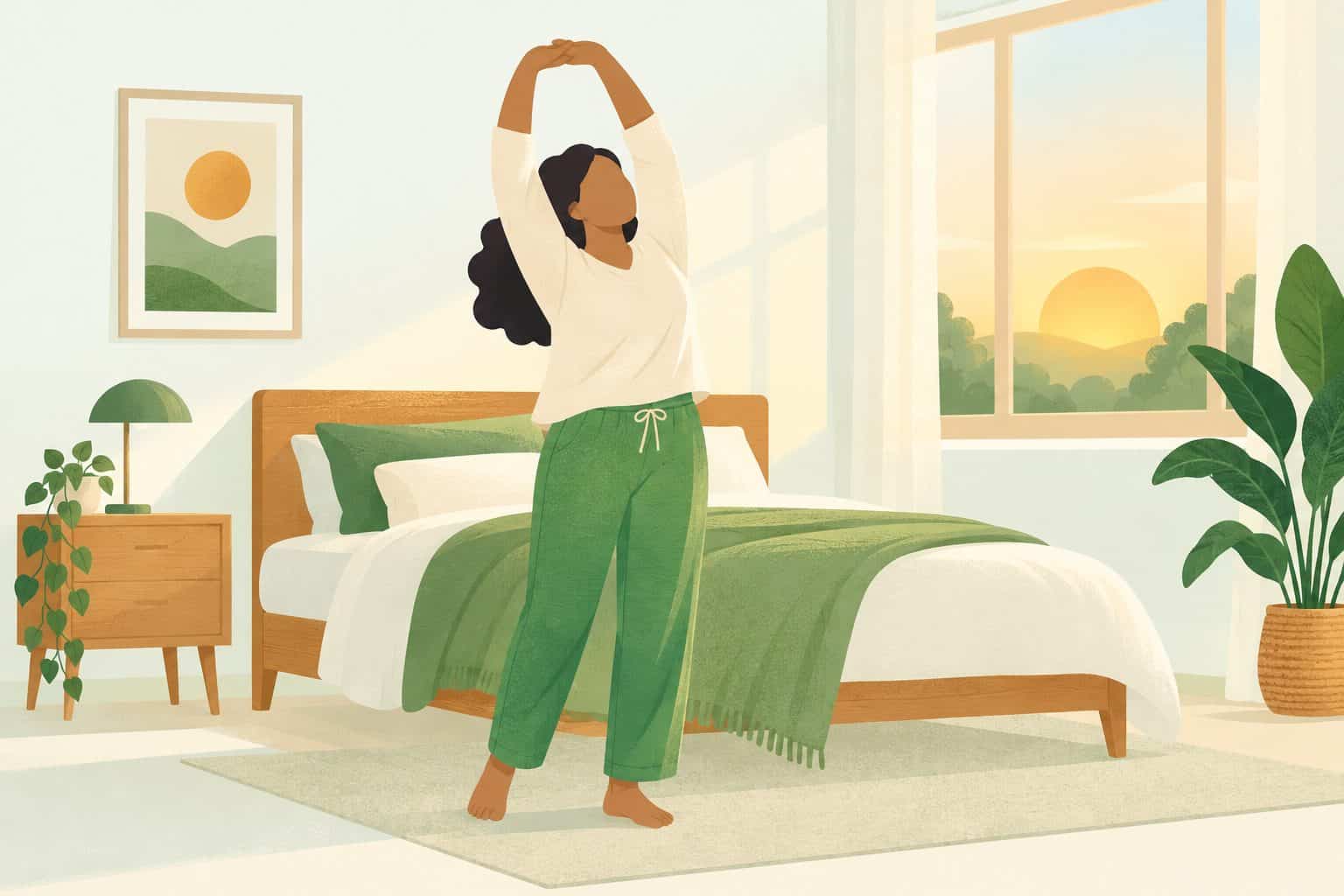
Most people roll out of bed, reach for their phone, and start the day already behind. But there’s one simple habit — taking just 10 to 15 minutes to stretch in the morning — that can genuinely change how your body and mind feel for the entire day.
If you spend long hours at a desk, work in IT, or simply feel stiff and tired every morning, this article is for you. Morning stretching isn’t just about flexibility. The benefits go far deeper — from reducing chronic back pain and improving your posture, to boosting energy levels, sharpening mental focus, and even helping you sleep better at night.
Here’s a complete guide to the science-backed benefits of morning stretching, the best stretches to do, and exactly how to build this habit into your daily routine.
Why Morning Stretching Matters More Than You Think
When you sleep, your body remains largely still for 6–8 hours. During this time, muscles cool down, blood flow slows, and connective tissue tightens — especially in the hips, lower back, shoulders, and neck. For desk workers, this nighttime stiffness compounds the daytime stiffness that already builds from hours of sitting.
Morning stretching acts as a reset. It wakes up the musculoskeletal system, restores circulation, signals to your brain that the day is beginning, and prepares your body for the physical demands ahead — even if those demands are just sitting at a computer for eight hours.
Research consistently shows that a regular stretching routine improves range of motion, reduces injury risk, decreases muscle tension, and has measurable effects on mood and stress hormones. And unlike most health habits, it requires no equipment, no gym membership, and as little as 10 minutes.
9 Benefits of Morning Stretching (Backed by Science)
1. Dramatically Increases Flexibility Over Time
The most obvious benefit — and the one most people know about — is improved flexibility. But what does that actually mean for daily life?
Flexibility is your muscles’ capacity to lengthen and move through their full range of motion. When muscles are tight and inflexible, everyday movements become harder and more injury-prone. Bending to pick something up, turning to look behind you, reaching for something on a high shelf — all of these become easier with better flexibility.
For desk workers, the hip flexors and hamstrings are notoriously tight from prolonged sitting. Regular morning stretching — even just 5 minutes targeting these areas — produces noticeable improvement within 2–3 weeks. After 6–8 weeks, the changes are significant.
Key stretch: Seated forward fold — sit on the floor with legs extended, exhale and reach toward your feet. Hold for 30–45 seconds. This stretches the hamstrings, calves, and lower back simultaneously.
2. Reduces Chronic Back Pain and Neck Tension
Lower back pain is one of the most common health complaints in the world — and it’s almost universal among people who sit for long hours. Morning stretching is one of the most effective non-medical interventions available.
When you sleep, the spine compresses slightly. When you sit at a desk all day, the lumbar curve flattens, hip flexors shorten, and the muscles supporting the lower back weaken. This combination creates the chronic, nagging lower back pain that millions of desk workers experience daily.
A targeted morning stretch routine addresses all of these issues: it decompresses the spine, lengthens the hip flexors, activates the glutes, and restores the natural curvature of the lower back.
Key stretches for back pain:
Cat-Cow: On all fours, alternate between arching (cow) and rounding (cat) the spine for 8–10 breath cycles. One of the single most effective stretches for lower back relief.
Child’s Pose: Kneel and fold forward with arms extended, forehead resting on the floor. Hold for 60 seconds. Gently decompresses the entire spine.
Supine Twist: Lie on your back, bring one knee to your chest and let it fall across the body to the opposite side, arms extended in a T. Hold 30 seconds per side. Releases the lower back and hips.
3. Boosts Energy Levels Without Caffeine
Feeling groggy in the morning is partly a circulation issue. After hours of lying still, blood flow is sluggish, oxygen delivery to muscles and brain is reduced, and the body’s systems are running at low power.
Stretching gets blood moving. Within minutes of beginning a stretch routine, heart rate increases slightly, circulation improves, and oxygen reaches the muscles and brain. This produces a natural energy boost that many people find more effective — and certainly healthier — than reaching for a second cup of coffee.
For people who struggle with morning fatigue or brain fog, a 10-minute stretch routine can be transformative. The energising effect typically lasts 2–3 hours.
Energy-boosting stretches:
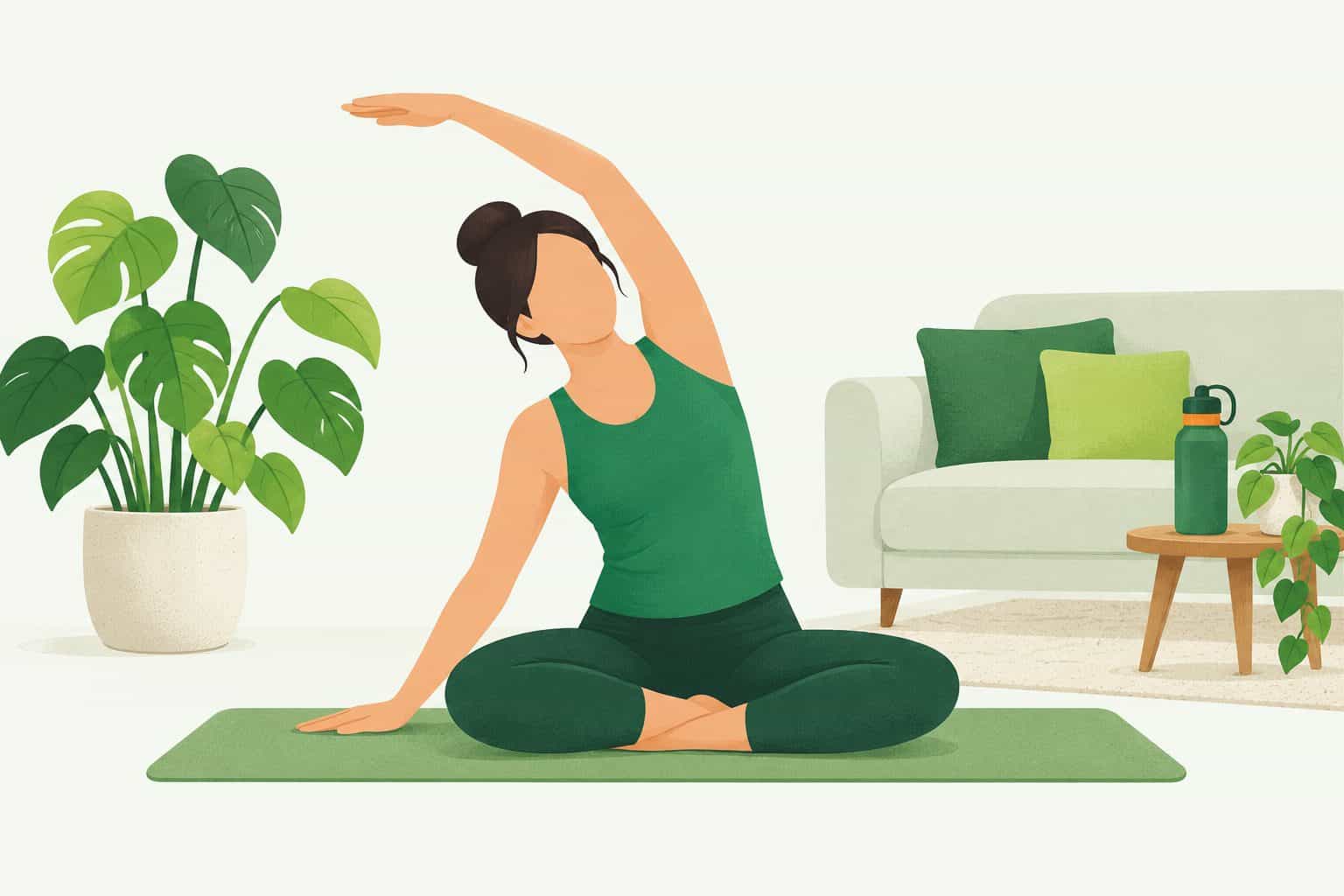
Standing side stretch: Stand with feet hip-width apart, raise one arm overhead and lean to the opposite side. Hold 20 seconds per side. Opens the ribcage and improves breathing.
Chest opener: Clasp hands behind your back, straighten arms, and lift them gently while opening the chest toward the ceiling. Counteracts the forward-hunching of desk posture and immediately improves breathing capacity.
4. Significantly Reduces Stress and Anxiety
Physical tension and mental stress are deeply connected. When you’re stressed, your muscles tighten — particularly in the neck, shoulders, jaw, and lower back. Conversely, when you consciously release muscle tension through stretching, the nervous system receives a signal that it’s safe to relax.
Stretching activates the parasympathetic nervous system — the “rest and digest” mode that counteracts the fight-or-flight stress response. When combined with slow, deep breathing (which should always accompany stretching), the stress-reducing effect is amplified.
Starting the day with stretching essentially sets a calmer neurological baseline for everything that follows. You’re less likely to feel overwhelmed by a difficult meeting or a demanding inbox when your nervous system began the day in a relaxed state.
Poor posture is arguably the defining health problem of modern desk work. The typical desk worker spends 8+ hours with the head jutting forward, shoulders rounded, upper back hunched, and lower back flattened. Over months and years, this creates muscle imbalances: the chest and hip flexors become tight and shortened, while the upper back, glutes, and core become weak and lengthened.
Morning stretching directly addresses these imbalances. Stretching the chest, hip flexors, and neck while strengthening the opposing muscles gradually corrects postural alignment. Over time, sitting and standing correctly begins to feel natural rather than effortful.
Posture-correcting stretches:
Doorway chest stretch: Stand in a doorway with elbows at 90 degrees resting on the frame, lean gently forward until you feel a stretch across the chest. Hold 30 seconds. Counteracts rounded shoulders.
Hip flexor lunge stretch: Step one foot forward into a low lunge, lower the back knee to the ground, and gently push the hips forward and down. Hold 45 seconds per side. Counteracts the shortening of hip flexors from sitting.
Chin tucks: Sitting or standing, gently draw the chin straight back (creating a “double chin”). Hold 5 seconds, repeat 10 times. Corrects forward head posture.
6. Improves Circulation and Cardiovascular Health
As mentioned, stretching increases blood flow throughout the body. But the circulatory benefits go beyond just waking up the muscles. Regular stretching has been shown to improve arterial flexibility — the ability of blood vessels to expand and contract efficiently — which has direct benefits for cardiovascular health.
Improved circulation also means faster delivery of nutrients to cells and faster removal of metabolic waste products. This translates to better overall health, faster recovery from physical exertion, and even improved skin health over time.
7. Enhances Mental Focus and Cognitive Performance
The brain-body connection during stretching is more significant than most people realise. Stretching with conscious attention to the breath and body sensations is a mild form of mindfulness practice. It brings awareness into the present moment, reduces mental chatter, and prepares the mind for focused work.
Many high-performers — from athletes to executives — report that a morning movement ritual including stretching significantly improves their mental clarity and decision-making capacity throughout the day. The combination of improved oxygen delivery to the brain and the calming effect on the nervous system creates ideal conditions for focused cognitive work.
If you want to deepen the mental benefits, consider combining your morning stretch routine with a short meditation. See our guide on 10 reasons why you should meditate for more.
8. Reduces Injury Risk During Exercise and Daily Life
Stretching before physical activity reduces the risk of muscle strains, pulls, and tears by preparing the tissues for the demands of movement. But the injury-prevention benefits of morning stretching extend beyond exercise — they apply to everyday movements too.
Slipping, catching yourself from a fall, twisting awkwardly — these sudden movements are much less likely to cause injury when your muscles and connective tissue are flexible and pliable. This is especially important as we age; muscle elasticity naturally decreases from the mid-30s onward, making regular stretching increasingly valuable.
9. Improves Sleep Quality
This one surprises many people — how can stretching in the morning improve sleep at night? The connection is through cortisol regulation. Morning stretching helps calibrate the cortisol cycle, which should peak in the morning (giving energy and alertness) and taper off by evening (allowing sleep). A disrupted cortisol cycle — common in people with high stress and irregular routines — leads to poor sleep quality.
By starting the day with a calming, mindful movement practice, morning stretching helps establish healthy cortisol patterns that support better sleep. This is especially true when the stretching routine incorporates slow breathing.
For more evidence-based sleep improvement strategies, see our guide on how to sleep better.
A Simple 10-Minute Morning Stretching Routine
Here’s a beginner-friendly routine you can do immediately after waking up — before checking your phone, before breakfast, before anything else:
1. Cat-Cow (2 minutes) On all fours, flow between arching and rounding the spine in sync with your breath. 10–15 slow breath cycles.
2. Child’s Pose (1 minute) From all fours, sit back toward the heels and fold forward, arms extended. Breathe deeply into the lower back.
3. Supine Twist (2 minutes — 1 minute per side) On your back, bring one knee to chest and let it fall across the body. Arms in a T. Breathe deeply. Repeat other side.
4. Hip Flexor Lunge Stretch (2 minutes — 1 minute per side) Step one foot forward into a low lunge, lower back knee to floor, push hips forward and down. Feel the stretch in the front of the back hip.
5. Standing Forward Fold (1 minute) Stand with feet hip-width apart, fold forward from the hips with a soft bend in the knees. Let the head and arms hang heavy. Breathe deeply.
6. Chest Opener (1 minute) Clasp hands behind back, lift arms gently, open chest toward ceiling. Breathe in deeply.
7. Neck Rolls (1 minute) Slowly and gently roll the head in half circles — ear to shoulder, chin to chest, other ear to shoulder. Never roll the head all the way back.
Total time: 10 minutes. Do this every morning for 3 weeks and the difference in how your body feels will be unmistakable.
How Long Should You Stretch in the Morning?
For most people, 10–20 minutes of morning stretching is ideal. Less than 10 minutes is better than nothing but may not be enough to produce lasting flexibility improvements. More than 30 minutes in the morning can feel excessive unless you’re specifically training for flexibility.
The key is consistency over duration. 10 minutes every morning will produce far better results than 45 minutes once a week.
Frequently Asked Questions About Morning Stretching
Q: Should I stretch before or after breakfast? Stretching first thing in the morning — before eating — is generally best. The body is in a fasted state, which makes gentle movement feel natural. If you prefer to eat first, wait at least 30 minutes before stretching to avoid discomfort.
Q: Is it normal to feel pain when stretching in the morning? Mild discomfort and tightness are completely normal, especially in the first few minutes. However, sharp or shooting pain is not normal and means you should ease off immediately. Stretching should feel like a release, not an injury. The rule of thumb: stretch to a point of gentle tension, not pain.
Q: Can morning stretching help with back pain from sitting at a desk? Yes — this is one of the most well-documented benefits. Cat-Cow, Child’s Pose, Supine Twists, and Hip Flexor Lunges specifically target the muscles and joints most affected by prolonged sitting. Most people notice significant improvement within 2–3 weeks of consistent morning stretching.
Q: How long does it take to see results from morning stretching? Most people notice improved flexibility and reduced morning stiffness within 2–3 weeks. Postural improvements typically become visible within 4–6 weeks. Energy and stress benefits are often felt from the very first session.
Q: Should I do dynamic or static stretching in the morning? Both are beneficial, but for a morning routine, a combination works best. Start with dynamic stretches (like Cat-Cow) to warm up the joints and get blood moving, then move to static holds (like Child’s Pose or the Hip Flexor Lunge) to lengthen the muscles. Avoid intense static stretching on completely cold muscles.
Q: Can morning stretching replace a full workout? A gentle morning stretch routine is not a replacement for cardiovascular exercise or strength training. However, it’s an excellent daily foundation that complements your main workouts. Think of it as maintenance and preparation rather than the main event. For workout ideas that pair well with stretching, see our guide on 4 exercise routines for beginners.
Q: Is yoga the same as stretching? Yoga incorporates stretching but goes further — it also includes breathwork, balance, strength, and in some traditions, meditation and philosophy. Many yoga poses are excellent morning stretches. If you enjoy your morning stretch routine, exploring yoga is a natural next step. See our guide on types of yoga for beginners to find a style that suits you.
Final Thoughts
Morning stretching is one of the most accessible, evidence-backed health habits available. It costs nothing, requires no equipment, and takes as little as 10 minutes. Yet for desk workers and anyone carrying physical tension from daily life, the cumulative impact is enormous.
Start with the 10-minute routine above. Do it every morning for three weeks. Pay attention to how your back feels, how your energy levels change, how your posture shifts. The results will speak for themselves.
Your morning sets the tone for your entire day — make it count.
Cookies, only if you say yes. We would like to use Google Analytics and the Mailchimp site script to see which articles help. Nothing loads until you choose. Privacy policy