10 healthy snacks that can help you lose weight
Snacking has a bad reputation — but the problem isn’t snacking itself. The problem is what most people reach for when hunger strikes between meals: biscuits, chips, sugary drinks, and processed foods that spike blood sugar, trigger cravings, and quietly…
Snacking has a bad reputation — but the problem isn’t snacking itself. The problem is what most people reach for when hunger strikes between meals: biscuits, chips, sugary drinks, and processed foods that spike blood sugar, trigger cravings, and quietly add hundreds of calories to the day.
Smart snacking is actually one of the most powerful tools in a weight loss plan. Done correctly, snacks prevent the intense hunger that leads to overeating at mealtimes, stabilise blood sugar levels, maintain energy throughout the day, and ensure your body gets nutrients it might otherwise miss.
The key is choosing snacks that are high in protein, fibre, or healthy fats — the three nutrients that genuinely satisfy hunger rather than just temporarily silencing it. This guide covers 10 of the best snacks for weight loss, with calorie counts, portion guidance, preparation tips, and the science behind why each one works.
What Makes a Snack Good for Weight Loss?
Before diving into the list, it’s worth understanding what separates a weight-loss-friendly snack from one that sabotages your goals.
High satiety per calorie — the best snacks make you feel full without delivering excessive calories. Protein and fibre are the primary drivers of satiety. Fat helps too, but is calorie-dense so portion control matters.
Low glycaemic impact — snacks that cause rapid blood sugar spikes (most processed foods, sweets, white bread) are followed by crashes that trigger more hunger. Low-GI snacks keep blood sugar stable, reducing cravings.
Nutrient density — snacks that deliver vitamins, minerals, and other beneficial compounds alongside their calories are always preferable to empty-calorie options.
Practical and accessible — the best snack is the one you’ll actually eat. If preparation is complicated or ingredients are hard to find, the snack won’t become a habit.
10 Best Healthy Snacks for Weight Loss
1. Greek Yogurt with Berries
Calories: ~150–180 per serving | Protein: 15–17g | Fibre: 2–3g
Greek yogurt is one of the most powerful weight-loss snacks available. Unlike regular yogurt, Greek yogurt is strained to remove excess whey, resulting in a product that is roughly twice as high in protein. This protein content is what makes it so effective — protein is the most satiating macronutrient, and eating enough of it is consistently associated with reduced total calorie intake throughout the day.
Greek yogurt also contains conjugated linoleic acid (CLA), a naturally occurring compound linked to reduced body fat and improved metabolic health.
Adding a small handful of berries (blueberries, strawberries, or raspberries) provides natural sweetness, antioxidants, and additional fibre — all without significantly increasing the calorie count.
How to eat it: Choose plain, full-fat or low-fat Greek yogurt (avoid flavoured varieties which are often high in added sugar). Add a small handful of fresh or frozen berries. A sprinkle of chia seeds adds additional fibre and omega-3 fatty acids.
Portion: 150g yogurt + 50g berries
2. Roasted Chickpeas (Chana)
Calories: ~120 per serving (30g) | Protein: 6g | Fibre: 5g
Chickpeas — known as chana in India — are a nutritional powerhouse for weight management. They combine protein and fibre in a single food, delivering a sustained feeling of fullness that most snacks can’t match. The fibre in chickpeas also slows the absorption of sugar into the bloodstream, preventing the blood sugar spikes and crashes that drive between-meal hunger.
Roasted chickpeas are the superior snack form: they’re crunchy, portable, infinitely customisable with spices, and satisfying in a way that processed chips simply aren’t. They can be prepared in large batches and stored for the week.
How to prepare: Drain and rinse canned chickpeas. Dry them thoroughly with a cloth. Toss with a small amount of oil, salt, cumin, chaat masala, or any spices you enjoy. Roast at 200°C for 30–40 minutes until crispy, shaking the pan halfway through.
Portion: 30g (approximately a small handful)
3. Hard-Boiled Eggs
Calories: ~70 per egg | Protein: 6g | Fat: 5g
Eggs are one of the most complete and satisfying foods available. A single hard-boiled egg delivers 6g of high-quality protein along with vitamin B12, vitamin D, selenium, and choline — a nutrient important for brain health that many people are deficient in.
Studies consistently show that eating eggs at snack time (or breakfast) significantly reduces calorie intake at subsequent meals. The protein and fat combination keeps hunger at bay for 2–3 hours, making eggs particularly useful as a mid-morning snack before lunch or a late afternoon snack before dinner.
If you are watching cholesterol, the egg white alone contains just 17 calories and 3.5g of protein — you can eat two or three egg whites for a high-protein, very low-calorie snack.
How to eat it: Boil a batch of eggs at the start of the week (they keep refrigerated for up to 5 days). Season with a pinch of salt, black pepper, or chaat masala. Pair with a few cucumber slices for additional fibre and volume.
Portion: 1–2 whole eggs, or 3–4 egg whites
4. Fox Nuts (Makhana)
Calories: ~90 per serving (30g) | Protein: 3.5g | Fat: 0.5g
Fox nuts — makhana in Hindi — are the seeds of the lotus plant and have been used in Indian cooking and Ayurvedic medicine for centuries. They are remarkably well-suited to weight loss: very low in fat and sodium, moderately high in protein and complex carbohydrates, and genuinely satisfying to eat.
A 30g portion of roasted makhana delivers around 90 calories — roughly half the calories of the same weight in potato chips — while providing more protein, more fibre, and virtually no unhealthy fat. They are also gluten-free, making them suitable for those with gluten sensitivity.
Makhana’s light, airy texture makes them feel more voluminous than they are, which helps with the psychological feeling of having “eaten enough.”
How to prepare: Dry roast makhana in a pan over low-medium heat for 10 minutes, stirring constantly until they are crispy and lightly golden. Season with rock salt, black pepper, turmeric, or cumin. Store in an airtight container for up to a week.
Portion: 30g (approximately 1 cup of roasted makhana)
5. Fresh Coconut Pieces or Coconut Chips
Calories: ~100 per serving (30g) | Fat: 9g (medium-chain triglycerides) | Fibre: 2.5g
Coconut has an interesting relationship with weight management. Despite being high in fat, the fat in coconut is predominantly medium-chain triglycerides (MCTs) — a type of fat that is metabolised differently from the long-chain fats found in most foods. MCTs are sent directly to the liver where they are used for energy rather than stored as body fat, and they have been shown to increase satiety hormones and reduce overall calorie intake.
Fresh coconut also provides a satisfying chewiness that slows eating, and its natural sweetness can help curb sugar cravings without reaching for processed sweets.
How to eat it: Fresh coconut pieces are the most nutritious form. Unsweetened coconut chips (available at most health food stores) are a convenient alternative. Avoid sweetened coconut products which negate the weight-loss benefits.
Portion: 30g fresh coconut or unsweetened coconut chips
6. Chia Pudding
Calories: ~150 per serving | Protein: 5g | Fibre: 10g | Omega-3s: High
Chia seeds are one of the most fibre-dense foods on the planet — a single tablespoon contains nearly 4g of fibre, which is more than most snacks. When soaked in liquid, chia seeds absorb up to 10 times their weight in water and form a thick gel. This gel expands in the stomach, promoting an exceptionally strong and prolonged feeling of fullness.
Chia pudding prepared the night before is one of the most convenient weight-loss snacks available — it requires no morning preparation and can be flavoured endlessly with different fruits, spices, and toppings.
How to prepare: Mix 2 tablespoons of chia seeds with 150ml of unsweetened almond milk, coconut milk, or regular low-fat milk. Add a small amount of vanilla extract or a pinch of cardamom. Stir well, refrigerate overnight. Top in the morning with fresh fruit or a drizzle of honey.
Portion: 2 tablespoons chia seeds + 150ml milk
7. A Handful of Mixed Nuts and Dark Chocolate
Calories: ~180 per serving | Protein: 4–5g | Healthy fats: High
Nuts are energy-dense — meaning they contain a significant number of calories in a small volume — but they are also remarkably satisfying. Studies consistently show that people who snack on nuts do not compensate by eating more at subsequent meals, and long-term nut consumption is actually associated with lower body weight, not higher.
The key is portion control. A small handful (approximately 20–25g) of almonds, walnuts, or cashews provides healthy fats, protein, fibre, and a range of vitamins and minerals. Paired with 2–3 squares of dark chocolate (70%+ cocoa), you get a snack that satisfies both hunger and sweet cravings simultaneously.
Dark chocolate’s role in weight management is often overlooked. It contains compounds that reduce cravings for sweet, salty, and fatty foods — effectively acting as an appetite regulator when consumed in small amounts.
How to eat it: Pre-portion nuts into small containers or ziplock bags at the start of the week to avoid unconscious overeating. Choose dark chocolate with at least 70% cocoa content.
Portion: 20–25g nuts + 2 squares dark chocolate
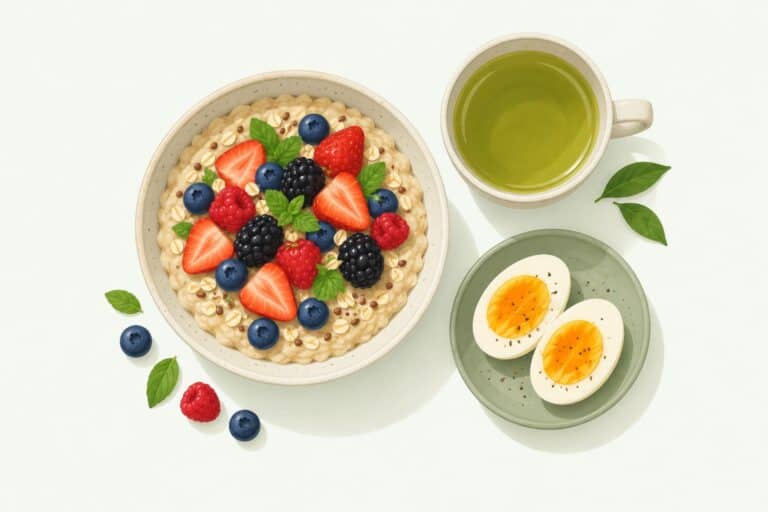
8. Oatmeal with Cinnamon
Calories: ~150 per serving | Protein: 5g | Fibre: 4g
Oats are one of the most filling grain-based foods available, largely due to their content of beta-glucan — a soluble fibre that forms a thick gel in the digestive tract, slows digestion, and prolongs satiety. Studies have repeatedly shown that people who eat oats as a snack consume fewer calories at their next meal compared to those who eat other carbohydrate-based snacks.
Oats also have a low glycaemic index, meaning they produce a gradual, sustained rise in blood sugar rather than a rapid spike — preventing the energy crash and subsequent hunger that follows high-GI snacks.
Adding cinnamon is more than just flavouring. Cinnamon has been shown to improve insulin sensitivity, which helps the body manage blood sugar more effectively — a significant benefit for weight management and metabolic health.
How to prepare: Use rolled oats (not instant or flavoured varieties). Prepare with water or low-fat milk. Add a generous pinch of cinnamon, a few drops of vanilla extract, and top with a small amount of fresh fruit. Avoid adding sugar.
Portion: 40g dry oats (makes approximately 150–180g cooked)
9. Fruit Salad with Chia Seeds
Calories: ~100–130 per serving | Fibre: 5–7g | Vitamins: High
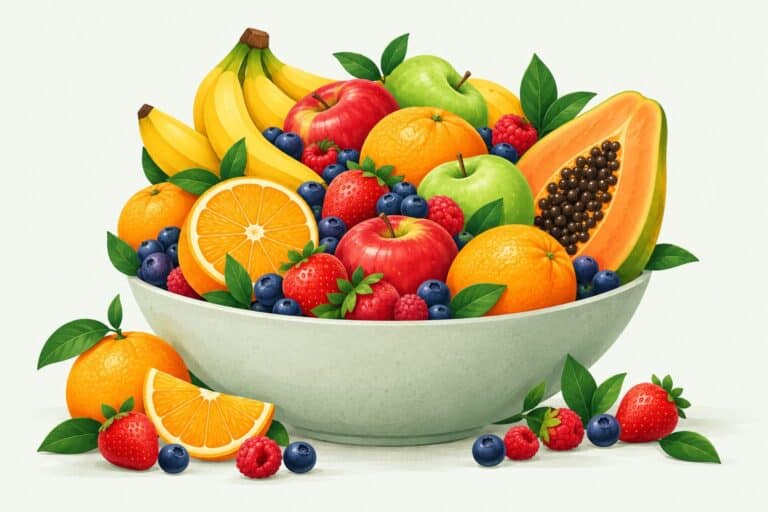
A bowl of mixed fresh fruit is one of the most nutrient-dense, low-calorie snacks available. Despite being sweet, whole fruits have a low-to-moderate glycaemic index because their fibre content slows sugar absorption. This makes fruit a fundamentally different food from fruit juice or sugary sweets, despite containing the same type of sugar.
The best fruits for weight loss are those highest in fibre and water content: apples, pears, berries, guava, papaya, and citrus fruits. These provide maximum volume and satiety for minimum calories.
Adding a tablespoon of chia seeds to your fruit salad dramatically increases its fibre and protein content, making it significantly more filling without meaningfully increasing calories.
How to prepare: Combine 2–3 seasonal fruits, cut into bite-sized pieces. Sprinkle with 1 tablespoon chia seeds, a squeeze of lime juice, and optionally a pinch of black salt or chaat masala for an Indian twist.
Portion: 150–200g mixed fruit + 1 tbsp chia seeds
10. Prunes (Dried Plums)
Calories: ~100 per serving (5–6 prunes) | Fibre: 3g | Natural sugars: Moderate
Prunes are an underrated weight-loss snack. Research has shown that eating prunes as part of a calorie-controlled diet leads to greater weight loss and reduction in waist circumference compared to other snacks — likely due to their fibre content, their effect on gut bacteria, and the fact that their intense flavour makes a small portion feel satisfying.
Prunes also support digestive regularity, which is closely linked to healthy weight management. A well-functioning digestive system absorbs nutrients efficiently and eliminates waste effectively.
How to eat it: Eat 5–6 prunes as a standalone snack, or chop and add to oatmeal or yogurt for additional sweetness and fibre.
Portion: 5–6 prunes (approximately 40–50g)
Quick Reference: Snack Comparison Table
| Snack | Calories | Protein | Fibre | Best For |
|---|---|---|---|---|
| Greek Yogurt + Berries | 150–180 | 15–17g | 3g | High protein, post-workout |
| Roasted Chickpeas | 120 | 6g | 5g | Crunchy cravings, portable |
| Hard-Boiled Eggs | 70–140 | 6–12g | 0g | Quick protein, no prep |
| Fox Nuts (Makhana) | 90 | 3.5g | 1g | Light snacking, Indian flavours |
| Fresh Coconut | 100 | 1g | 2.5g | Sweet cravings, MCT benefits |
| Chia Pudding | 150 | 5g | 10g | Maximum fullness, prep ahead |
| Nuts + Dark Chocolate | 180 | 5g | 3g | Satisfying sweet + savoury |
| Oatmeal | 150 | 5g | 4g | Sustained energy, filling |
| Fruit Salad + Chia | 130 | 3g | 6g | Refreshing, nutrient-dense |
| Prunes | 100 | 1g | 3g | Digestive health, sweet fix |
Smart Snacking Tips for Weight Loss
Time your snacks well. The most effective snack windows are mid-morning (10–11am) and mid-afternoon (3–4pm) — the natural hunger dips between meals. Snacking outside these windows when you’re not genuinely hungry is one of the most common causes of excess calorie consumption.
Portion before you eat. Never eat directly from a large packet or container. Measure or count your portion and put it in a bowl before you start eating. This prevents unconscious overconsumption — a problem even with healthy snacks.
Eat mindfully. Put down your phone, step away from your screen, and actually taste your snack. Distracted eating consistently leads to eating more and feeling less satisfied.
Prioritise protein and fibre. When in doubt, choose snacks that combine at least one of these. Protein + fibre is the most powerful satiety combination available.
Stay hydrated. Thirst is frequently mistaken for hunger. Before reaching for a snack, drink a glass of water and wait 10 minutes. If you’re still hungry, eat. If not, you were thirsty.
For more on building a healthy diet for weight loss, see our guide on 7 best foods to eat to lose weight.
Frequently Asked Questions
Q: How many snacks should I eat per day when trying to lose weight?
For most people, 1–2 snacks per day is optimal — typically one mid-morning and one mid-afternoon. The goal is to prevent extreme hunger between meals without adding unnecessary calories. If you’re eating 3 balanced meals, you may find you only need one snack per day.
Q: Is snacking bad for weight loss?
No — strategic snacking actively supports weight loss by preventing the intense hunger that leads to overeating at mealtimes. The problem is not snacking itself but choosing high-calorie, low-nutrient foods. Replacing chips and biscuits with the snacks in this list can meaningfully reduce daily calorie intake while improving nutrition.
Q: What’s the best snack to eat before a workout?
Greek yogurt, a banana with a small amount of nut butter, or oatmeal are excellent pre-workout snacks. They provide the carbohydrates needed for energy and enough protein to protect muscle. Eat 30–60 minutes before exercise.
Q: What’s the best snack to eat at night without gaining weight?
If you need a late-night snack, choose something high in protein and low in carbohydrates — such as a small portion of Greek yogurt, a hard-boiled egg, or a small handful of nuts. Avoid high-carb or high-sugar snacks at night as they are more likely to be stored as fat when the body is winding down.
Q: Are fruits good for weight loss or too high in sugar?
Whole fruits are excellent for weight loss. The fibre in whole fruit significantly slows sugar absorption, preventing blood sugar spikes. This is fundamentally different from fruit juice, which removes the fibre and causes rapid sugar spikes. Stick to whole fruits and you’ll benefit from their nutrients without the weight-gain effects of refined sugar.
Q: How do I stop craving junk food between meals?
The most effective strategies are: eating adequate protein at each meal, staying well-hydrated, getting sufficient sleep (poor sleep dramatically increases junk food cravings), and keeping healthy snacks visible and accessible while keeping junk food out of the house. See our guide on how to set healthy fitness and diet goals for more on building sustainable habits.
Q: Can I eat makhana every day?
Yes — roasted makhana is an excellent daily snack. It’s low in fat, moderately high in protein, and contains antioxidants and minerals including magnesium and potassium. The main consideration is to keep portions to around 30g per serving (about 1 cup), as eating large quantities adds up in calories.
Final Thoughts
Weight loss through smart snacking is less about willpower and more about strategy. When you have the right foods readily available, making good choices becomes the path of least resistance.
Start by replacing one processed snack per day with something from this list. Within a few weeks, better snacking habits will feel natural, your energy levels will stabilise, and your overall calorie intake will decrease without the feeling of deprivation.
For more guidance on eating well for weight loss, explore our guide on 10 reasons why organic food is best for you and foods that are good for your gut health.