Losing fat without exercise – a thought
Can you actually lose fat without going to the gym? The honest answer is yes — but with important caveats that most articles on this topic skip over. Fat loss is fundamentally a metabolic process driven by energy balance. Exercise…
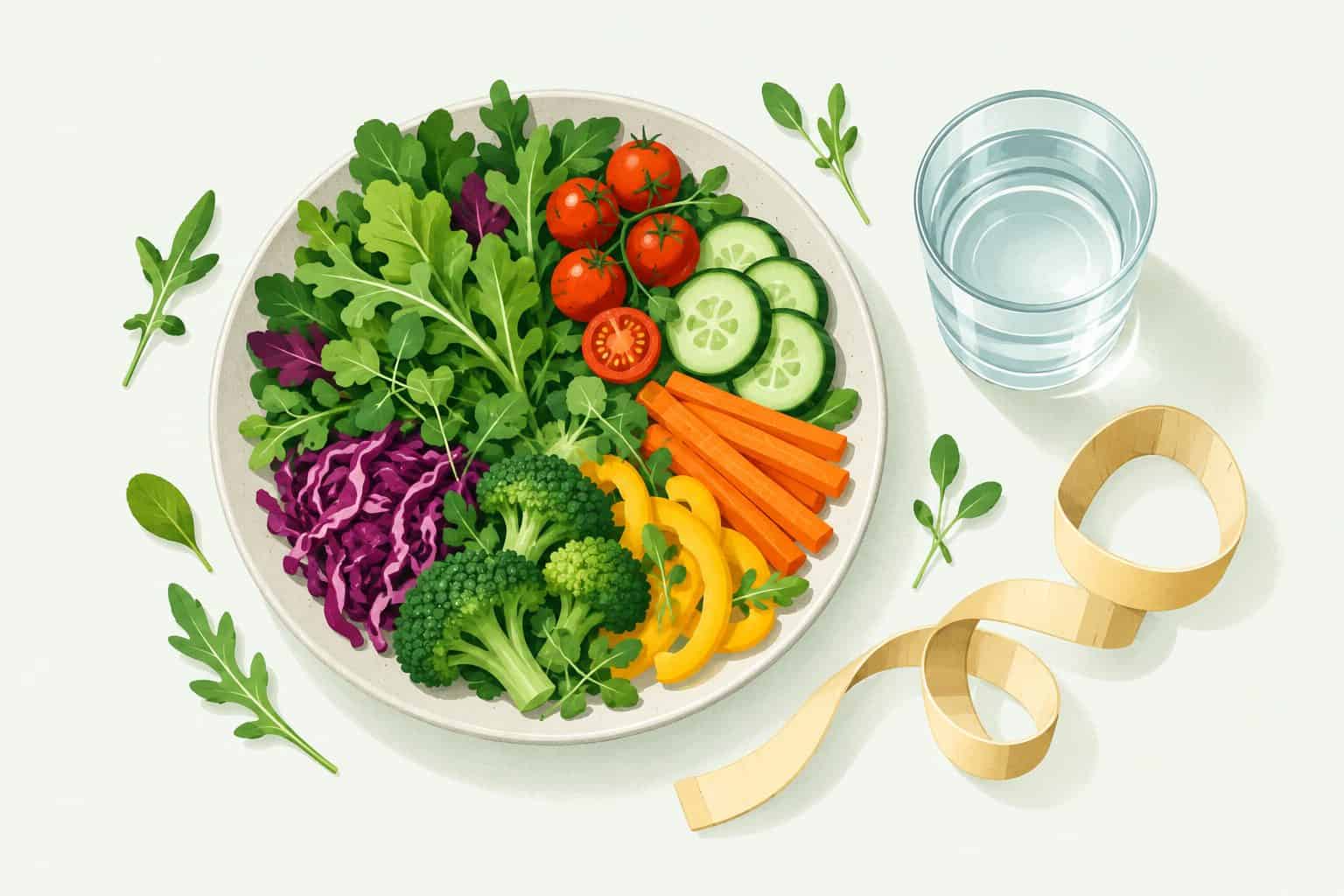
Can you actually lose fat without going to the gym? The honest answer is yes — but with important caveats that most articles on this topic skip over.
Fat loss is fundamentally a metabolic process driven by energy balance. Exercise is one way to shift that balance, but it is far from the only way. For people who are injured, time-poor, physically unable to exercise, or simply not ready to start a workout routine, there are well-researched, genuinely effective strategies to lose fat through diet and lifestyle alone.
This guide covers the science of fat loss without exercise, 8 practical strategies you can start today, realistic expectations for how much fat you can lose, and the honest truth about when exercise becomes important.
The Science: How Fat Loss Actually Works
Before diving into strategies, it’s worth understanding the basic mechanism of fat loss — because most people have it slightly wrong.
Fat loss happens when your body is in a caloric deficit — when you consume fewer calories than your body uses over time. When this deficit exists, the body turns to stored fat as an energy source, breaking it down through a process called lipolysis. The byproducts are released as carbon dioxide (through breathing) and water (through urine and sweat).
Interestingly, research published in the British Medical Journal confirms that the vast majority of fat loss — approximately 84% — exits the body as carbon dioxide through the lungs. The rest leaves as water. This means breathing, metabolism, and the chemical processes of the body are the primary mechanisms of fat loss — not sweating.
Exercise accelerates fat loss by increasing caloric expenditure. But diet and lifestyle changes can create an equivalent or even larger caloric deficit — without a single minute on a treadmill.
The key insight: what you eat and how you live create the conditions for fat loss. Exercise speeds it up but is not a prerequisite.
8 Effective Ways to Lose Fat Without Exercise
1. Create a Sustainable Caloric Deficit Through Diet
This is the foundation of all fat loss — with or without exercise. To lose fat, you need to consume fewer calories than your body burns through its basic metabolic functions (breathing, digestion, organ function) plus daily activity.
The safest and most sustainable deficit is 300–500 calories per day below your maintenance level. This produces a loss of approximately 0.3–0.5 kg per week — slow enough to preserve muscle mass and sustainable enough to maintain long-term.
How to do it without counting every calorie:
- Eliminate or significantly reduce the highest-calorie, lowest-nutrition foods in your diet: fried foods, sugary drinks, processed snacks, alcohol
- Replace refined carbohydrates (white rice, white bread, biscuits) with high-fibre alternatives (brown rice, oats, vegetables)
- Increase protein at every meal — protein is the most satiating macronutrient and reduces overall calorie intake naturally
- Use smaller plates — research consistently shows that plate size influences portion size and calorie intake without conscious effort
Realistic expectation: A 400-calorie daily deficit through diet alone produces roughly 1.5–2 kg of fat loss per month.
2. Prioritise Protein at Every Meal
Protein is the single most important dietary factor for fat loss without exercise — and most people don’t eat nearly enough of it.
Here’s why protein is so powerful for fat loss:
It keeps you full longer. Protein is significantly more satiating than carbohydrates or fat. Studies show that increasing protein intake to 25–30% of total calories reduces total daily calorie intake by 400–500 calories automatically — without any conscious restriction.
It has a high thermic effect. Your body burns 20–30% of protein calories just through the process of digesting it — compared to 5–10% for carbohydrates and 0–3% for fat. This means a high-protein diet slightly increases your metabolic rate.
It preserves muscle mass during weight loss. Without adequate protein, caloric restriction leads to muscle loss alongside fat loss. Losing muscle reduces your metabolism, making further fat loss harder. Adequate protein protects muscle tissue even when calories are reduced.
High-protein foods for every meal:
- Breakfast: eggs, Greek yogurt, paneer
- Lunch: dal, rajma, chicken, fish, tofu
- Dinner: lentils, egg whites, cottage cheese, legumes
- Snacks: roasted chickpeas, makhana, a handful of nuts
Target: Aim for 1.2–1.6g of protein per kg of body weight per day. For a 65 kg person, that’s 78–104g of protein daily.
For more on high-protein snacking, see our guide on 10 healthy snacks for weight loss.
3. Dramatically Reduce Sugar and Ultra-Processed Food
Sugar is the single biggest dietary driver of fat gain — not dietary fat itself, as was incorrectly believed for decades.
When you consume sugar (particularly added sugars in processed foods), blood glucose spikes rapidly, triggering a large insulin response. Insulin is a fat-storage hormone — it signals the body to store excess glucose as fat, particularly around the abdomen. Over time, frequent blood sugar spikes lead to insulin resistance, which makes fat loss progressively harder.
Ultra-processed foods (packaged snacks, instant noodles, flavoured yogurts, breakfast cereals, soft drinks) are specifically engineered to override the body’s natural satiety signals — making it easy to significantly overeat without feeling full.
Practical steps:
- Replace sugary drinks (soft drinks, packaged juices, sweetened chai) with water, plain chai, or black coffee
- Read ingredient labels — if sugar appears in the first three ingredients, the product is high in sugar
- Replace ultra-processed snacks with whole food alternatives (fruit, nuts, roasted chana)
- Reduce white sugar in tea and coffee gradually — your taste buds adapt within 2–3 weeks
The impact: Studies show that eliminating sugary drinks alone — without any other dietary changes — produces an average of 0.5 kg of fat loss per month.
4. Drink Water Strategically
Hydration supports fat loss through multiple mechanisms — and most people are chronically mildly dehydrated without realising it.
First, thirst is frequently misidentified as hunger. Research shows that drinking 500ml of water before a meal reduces calorie intake at that meal by approximately 13%. Over a full day, this can mean consuming 200–300 fewer calories with no sense of deprivation.
Second, cold water consumption slightly increases metabolic rate for 30–40 minutes after drinking — as the body uses energy to heat the water to body temperature.
Third, adequate hydration supports kidney function, which reduces the burden on the liver. The liver is a primary fat-metabolising organ — when it has to compensate for poor kidney function, fat metabolism slows.
How to implement it:
- Drink 500ml of water first thing in the morning before anything else
- Drink a full glass of water 20–30 minutes before each meal
- Carry a water bottle and aim for 2.5–3 litres total per day
- If you feel hungry between meals, drink water first and wait 10 minutes
5. Optimise Sleep for Fat Loss
Sleep is one of the most underrated factors in fat loss — and consistently cutting it short makes losing fat dramatically harder.
The mechanism is hormonal. When you sleep fewer than 7 hours, ghrelin levels rise (ghrelin is the hunger hormone that stimulates appetite) and leptin levels fall (leptin is the satiety hormone that signals fullness). The result: you feel genuinely hungrier the next day, crave higher-calorie foods, and have significantly less willpower to resist them.
A study from the University of Chicago found that dieters who slept 8.5 hours per night lost 55% more fat than those sleeping 5.5 hours — even though both groups ate the same number of calories. The sleep-deprived group lost primarily muscle mass rather than fat.
Additionally, poor sleep elevates cortisol — the stress hormone. Chronically elevated cortisol promotes abdominal fat storage and makes the body resistant to fat loss.
How to improve sleep for fat loss:
- Set a consistent bedtime and wake time, even on weekends
- Avoid screens for 45–60 minutes before bed
- Keep the bedroom cool and dark
- Avoid caffeine after 2pm
- A short yoga or stretching routine before bed significantly improves sleep quality
For a complete guide, see our article on how to sleep better.
6. Manage Stress to Prevent Cortisol-Driven Fat Gain
Chronic stress is a direct, physiological driver of fat gain — particularly abdominal fat — through the hormone cortisol.
When stressed, the adrenal glands release cortisol. Cortisol’s evolutionary role was to prepare the body for a physical threat — it raises blood sugar, suppresses digestion, and redirects energy to muscles. But in modern life, where stress is mental and chronic rather than physical and brief, cortisol remains elevated for extended periods.
Chronically elevated cortisol promotes fat storage, particularly around the midsection; increases appetite and cravings for high-calorie foods; and disrupts sleep, which further increases hunger hormones.
Managing stress is therefore a direct fat loss strategy — not just a lifestyle nicety.
Practical stress management for fat loss:
- Practice 5 minutes of deep breathing daily (inhale for 4 counts, hold for 4, exhale for 6) — this directly activates the parasympathetic nervous system and lowers cortisol
- Take short breaks from screens every 90 minutes during work
- Spend time in green spaces — even 20 minutes in a park measurably reduces cortisol
- Limit news and social media consumption, which chronically elevates low-level stress
For more stress management strategies, see our guide on 10 ways to become stress-free in 5 minutes.
7. Eat Mindfully and Slowly
The speed at which you eat has a direct and significant impact on how much you consume.
Satiety hormones — including cholecystokinin and leptin — take approximately 15–20 minutes to signal fullness to the brain after eating begins. People who eat quickly regularly consume significantly more food before the fullness signal arrives.
Research published in the BMJ found that fast eaters were 3 times more likely to be overweight than slow eaters — independent of food choices.
Mindful eating also reduces emotional eating — the habit of eating in response to stress, boredom, or habit rather than genuine hunger. Emotional eating is one of the primary contributors to excess calorie intake in desk workers.
How to eat more mindfully:
- Put your fork or spoon down between bites
- Chew each mouthful thoroughly — aim for 20 chews per bite
- Eat without screens — no phone, no TV, no computer
- Rate your hunger before eating on a scale of 1–10, and stop at 7 (comfortably full, not stuffed)
- Use smaller plates and bowls
8. Increase Non-Exercise Activity (NEAT)
NEAT — Non-Exercise Activity Thermogenesis — is the energy your body burns through all movement that isn’t formal exercise: walking to the kitchen, climbing stairs, standing, fidgeting, household chores.
For sedentary desk workers, NEAT can account for as little as 100–200 calories per day. For active people, it can account for 500–1,000 calories per day — a massive difference that has nothing to do with going to a gym.
Increasing NEAT is arguably the most underutilised fat loss strategy available. You don’t need to exercise. You just need to move more throughout the day.
Simple ways to increase NEAT:
- Take the stairs instead of the lift — every time
- Walk during phone calls instead of sitting
- Stand for 10 minutes every hour if you work at a desk
- Walk to nearby destinations instead of taking an auto or bike
- Do household chores energetically rather than minimally
- Take a 10-minute walk after each meal — this also significantly improves blood sugar management
A person who walks an extra 4,000 steps per day (approximately 30–40 minutes of incidental walking) burns an additional 150–200 calories daily — equivalent to losing an extra 0.5–0.7 kg per month without any formal exercise.
How Much Fat Can You Realistically Lose Without Exercise?
Setting realistic expectations prevents the frustration that leads most people to give up.
| Approach | Expected Monthly Fat Loss |
|---|---|
| Diet changes only (caloric deficit) | 1–2 kg/month |
| Diet + improved sleep | 1.5–2.5 kg/month |
| Diet + sleep + stress management | 2–3 kg/month |
| Diet + sleep + stress + increased NEAT | 2.5–3.5 kg/month |
These figures assume a sustainable approach — not crash dieting. Slower loss means more of what you’re losing is fat rather than muscle, and results are far more likely to be maintained.
When Does Exercise Become Important?
Fat loss without exercise is genuinely possible, but exercise becomes increasingly important for three reasons:
1. Maintaining muscle mass. As you lose fat through diet alone, some muscle loss is inevitable. Exercise — particularly resistance training — preserves and builds muscle while fat is lost, producing a leaner body composition.
2. Metabolic rate. Muscle tissue burns more calories at rest than fat tissue. Building muscle through exercise raises your resting metabolic rate, making fat loss easier and maintenance more sustainable.
3. Long-term health. Fat loss through diet alone improves appearance and reduces some health risks. But cardiovascular fitness, bone density, joint health, and mental wellbeing all require physical activity — diet alone cannot produce these benefits.
The ideal approach for most people, particularly desk workers: start with diet and lifestyle changes, achieve early fat loss results, then gradually add movement — starting with walking and progressing from there.
Frequently Asked Questions
Q: Can I lose belly fat specifically without exercise?
You cannot spot-reduce fat from specific areas — fat loss is systemic, meaning it comes from all over the body proportionally. However, reducing overall body fat through the strategies above will reduce belly fat. Reducing stress and improving sleep are particularly effective for abdominal fat, as cortisol specifically promotes belly fat storage. For more targeted strategies, see our guide on 5 quick ways to reduce belly fat.
Q: How many calories should I cut to lose fat without exercise?
A deficit of 300–500 calories per day is the safest range for sustainable fat loss. For most people, this means eating 1,400–1,800 calories per day depending on gender, age, and body size. Cutting more aggressively (below 1,200 calories for women, 1,500 for men) risks muscle loss, nutritional deficiencies, and metabolic adaptation.
Q: Is it possible to lose 5 kg without exercise?
Yes, though the timeline depends on how consistently you implement dietary and lifestyle changes. With a sustained 400–500 calorie daily deficit, 5 kg of fat loss takes approximately 2.5–3 months. Combining diet changes with improved sleep, stress management, and increased daily movement (NEAT) can accelerate this.
Q: Does drinking water really help with fat loss?
Yes, though the effect is modest on its own. Drinking water before meals reduces calorie intake at those meals. Staying well-hydrated supports metabolic function and reduces false hunger signals. Replacing sugary drinks with water can produce significant calorie reductions. Water alone won’t produce fat loss, but it supports every other strategy.
Q: What is the fastest way to lose fat without exercise?
The combination that produces the fastest fat loss without exercise is: significant reduction in sugar and ultra-processed food + adequate protein at every meal + improved sleep (7–8 hours) + stress management + increased NEAT. This combination can produce 2.5–3.5 kg of fat loss per month sustainably.
Q: Will I regain fat when I stop dieting?
Fat regain after dieting is very common — but it is not inevitable. It happens primarily when people return to the same eating patterns that caused fat gain originally. Building new habits rather than following a temporary diet is the key distinction. The strategies in this article are lifestyle changes, not a diet — they are sustainable indefinitely.
Final Thoughts
Losing fat without exercise is entirely possible — and for many people, starting with diet and lifestyle changes before adding formal exercise is actually the smarter approach. It builds healthy habits, produces early results that motivate further change, and creates a sustainable foundation.
The most powerful combination: reduce sugar and processed food, increase protein, improve sleep, manage stress, drink more water, and move more throughout the day. Do these consistently for 90 days and the results will speak for themselves.
When you’re ready to add exercise to amplify your results, start with something accessible — a daily walk is enough. See our guide on 10 benefits of walking for why this simple habit is one of the most powerful health investments available.